

The best workflow for back-to-back milk drinks on a Gaggia Classic
The Gaggia Classic is a legendary home espresso machine, capable of producing fantastic coffee. However, anyone who has tried to host a small brunch knows its biggest limitation: making multiple milk drinks in a row can feel like a slow, stressful juggling act. Your first guest gets a perfect, hot latte while the last one waits patiently as you wrestle with temperature changes. This frustration stems from its single boiler design, which can’t brew espresso and steam milk at the same time. But fear not. With the right technique, you can transform your process from a chaotic scramble into a smooth, efficient production line. This guide will walk you through the ultimate workflow for serving back-to-back cappuccinos and lattes with your Gaggia Classic.
Understanding the single boiler challenge
Before diving into the workflow, it’s crucial to understand why the Gaggia Classic requires a specific method for speed. The heart of the machine is its single boiler, a small tank with one heating element responsible for two very different jobs. For brewing espresso, it needs to hold water at a stable temperature of around 93°C (200°F). For steaming milk, it must heat that same water to create powerful steam, requiring a much higher temperature of about 140°C (285°F).
The time it takes to transition between these two temperatures is the bottleneck. The common method of making one complete drink at a time (pull shot, heat to steam, steam milk, cool down, repeat) is incredibly inefficient. You spend more time waiting for the machine to heat up and cool down than you do making coffee. Our workflow is designed to minimize these waiting periods by grouping similar temperature tasks together.
Preparation is everything: Your pre-flight checklist
A smooth workflow begins before you pull your first shot. Getting everything organized upfront is the secret to moving quickly and without panic once the process starts. Think of it like a chef’s mise en place. This preparation phase is non-negotiable for success.
- Warm up completely: Turn on your Gaggia Classic at least 15-20 minutes before you plan to make drinks. This ensures the boiler, group head, and portafilter are all thoroughly heated for better temperature stability.
- Pre-heat your cups: Cold ceramic will instantly suck the heat out of your espresso. Fill your cups with hot water from the machine or your kettle and let them sit while you prepare.
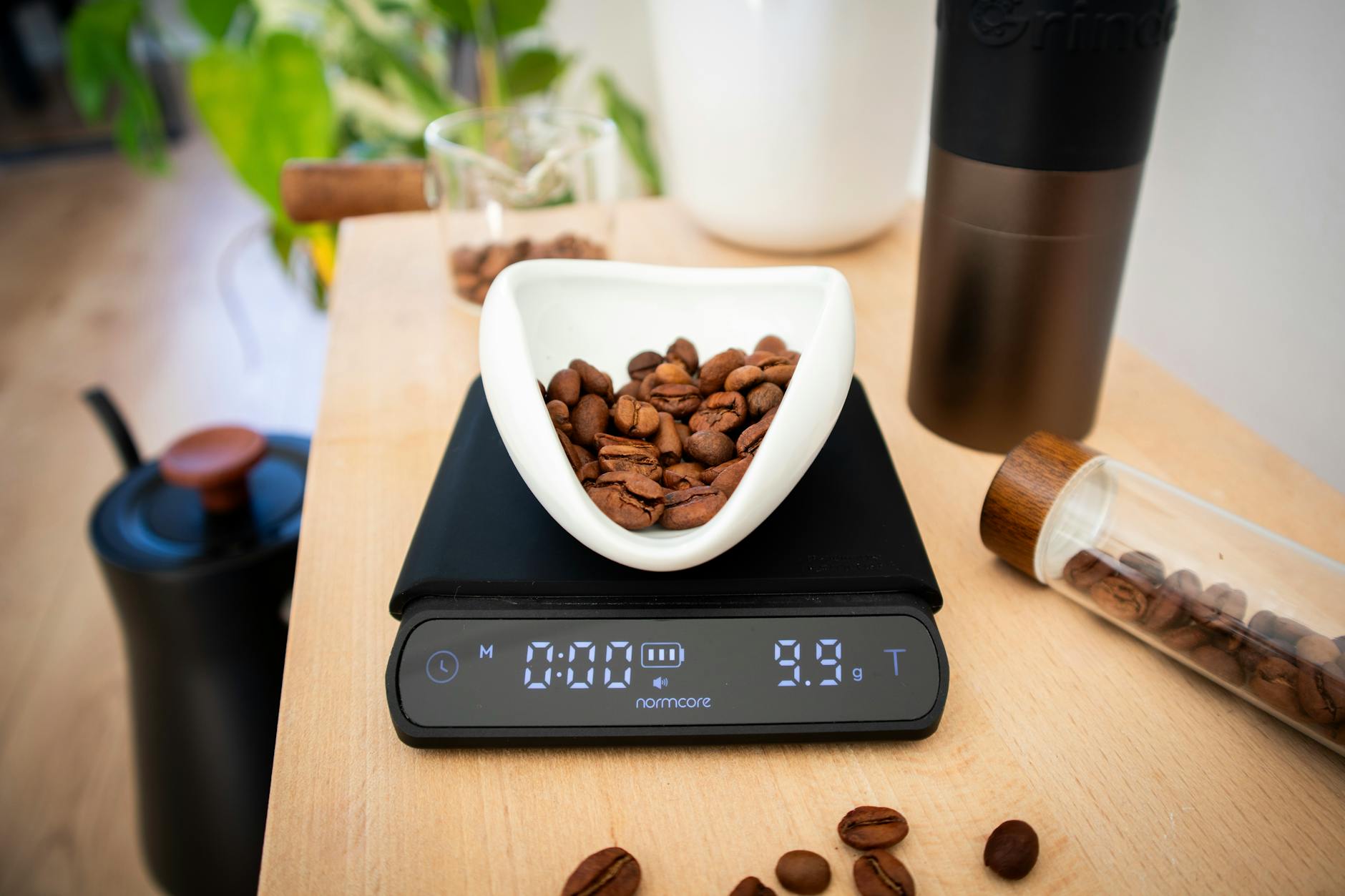
- Grind and dose all your coffee: Don’t grind one dose at a time. Weigh and grind all the coffee you’ll need for every drink. If you have multiple portafilter baskets or a second portafilter, you can even pre-load them. If not, have your doses neatly weighed out in small containers, ready to go.
- Portion your milk: Pour the correct amount of cold milk into each of your steaming pitchers. Having them lined up and ready means you can move from one to the next without pausing to open the fridge.
- Arrange your station: Have your tamper, distribution tool, knock box, and steaming cloths all within easy reach. A clear and organized workspace prevents fumbling and unnecessary delays.
The espresso sprint: Pull all your shots first
This is the core principle of the entire workflow: brew all of your espresso shots consecutively. While it might feel counterintuitive to let an espresso shot sit for a minute or two, the time you save by not waiting for the boiler to heat and cool is far more significant than any minimal degradation in shot quality. Your guests will get a hotter, better-balanced drink faster this way.
Here is the step-by-step process:
- Lock in your first prepared portafilter and pull your first shot into a pre-heated cup.
- As soon as the shot is finished, remove the portafilter, knock out the used puck, and quickly wipe the basket clean.
- Load your next dose of coffee, tamp, and lock it back into the group head.
- Before pulling the next shot, run the pump for 2-3 seconds without the portafilter to flush the group. This helps stabilize the temperature for the next extraction.
- Pull your second shot into your next pre-heated cup.
- Repeat this process until all espresso shots are brewed.
By focusing on one task, you develop a rhythm and minimize the time between shots. Your machine stays at a consistent brew temperature, allowing you to work efficiently.
The main event: Steaming all the milk
With all your espresso shots patiently waiting, it’s time to switch gears to milk. Now you will only have to wait for the boiler to heat up to steam temperature once. This is where you gain the most time.
Flip the steam switch on your Gaggia Classic and wait for the ready light to indicate it has reached temperature. This usually takes about 45-60 seconds. Once the light is on, follow these steps:
- Purge the wand: Open the steam knob for a couple of seconds to blast out any condensed water trapped in the wand. You want dry steam for a velvety microfoam.
- Steam your first pitcher: Submerge the steam tip into your first pitcher of milk and begin steaming. Once you’ve achieved your desired texture and temperature, turn off the steam.
- Wipe and pour: Immediately wipe the steam wand with a damp cloth. Pour the milk into your first espresso shot.
- Move to the next: Without waiting, purge the wand again for a second and immediately start steaming your next pitcher of milk. The boiler will still be hot and should provide strong, continuous steam pressure. If you are making three or more drinks, you may need a brief 10-15 second pause for the boiler to catch up after the second pitcher, but it’s still much faster than a full cool-down/heat-up cycle.
- Repeat until all milk is steamed and all drinks are poured.
This “steaming marathon” allows you to serve multiple, high-quality drinks that are all still perfectly hot, in a fraction of the time it would take with a less organized method.
Workflow comparison: Time for two lattes
To illustrate the time savings, here is an estimated comparison between the traditional workflow and the efficient batching workflow.
| Task | Traditional Workflow (One-by-one) | Efficient Workflow (Batching) |
|---|---|---|
| Pull Shot 1 | ~30 seconds | ~30 seconds |
| Heat to Steam Temp | ~60 seconds | (Done after all shots) |
| Steam Milk 1 | ~45 seconds | (Done after all shots) |
| Cool to Brew Temp | ~60 seconds | N/A |
| Pull Shot 2 | ~30 seconds | ~30 seconds |
| Heat to Steam Temp | ~60 seconds | ~60 seconds (once) |
| Steam Milk 2 | ~45 seconds | ~45 seconds |
| Total Estimated Time | ~5 minutes 30 seconds | ~3 minutes 30 seconds |
The Gaggia Classic may have its quirks, but its single boiler limitation doesn’t have to be a deal-breaker when entertaining. By rethinking your approach, you can easily overcome this challenge. The key is to stop thinking in terms of single, complete drinks and start thinking in batches of similar tasks. A meticulous preparation phase sets the stage for a rapid-fire espresso sprint, followed by an efficient milk steaming session. This “shots first, steam later” method drastically cuts down on the frustrating temperature transition periods. Adopting this workflow will not only save you precious time but will also reduce stress, allowing you to confidently serve multiple delicious, hot milk drinks to your friends and family with ease.
 No products in the cart.