

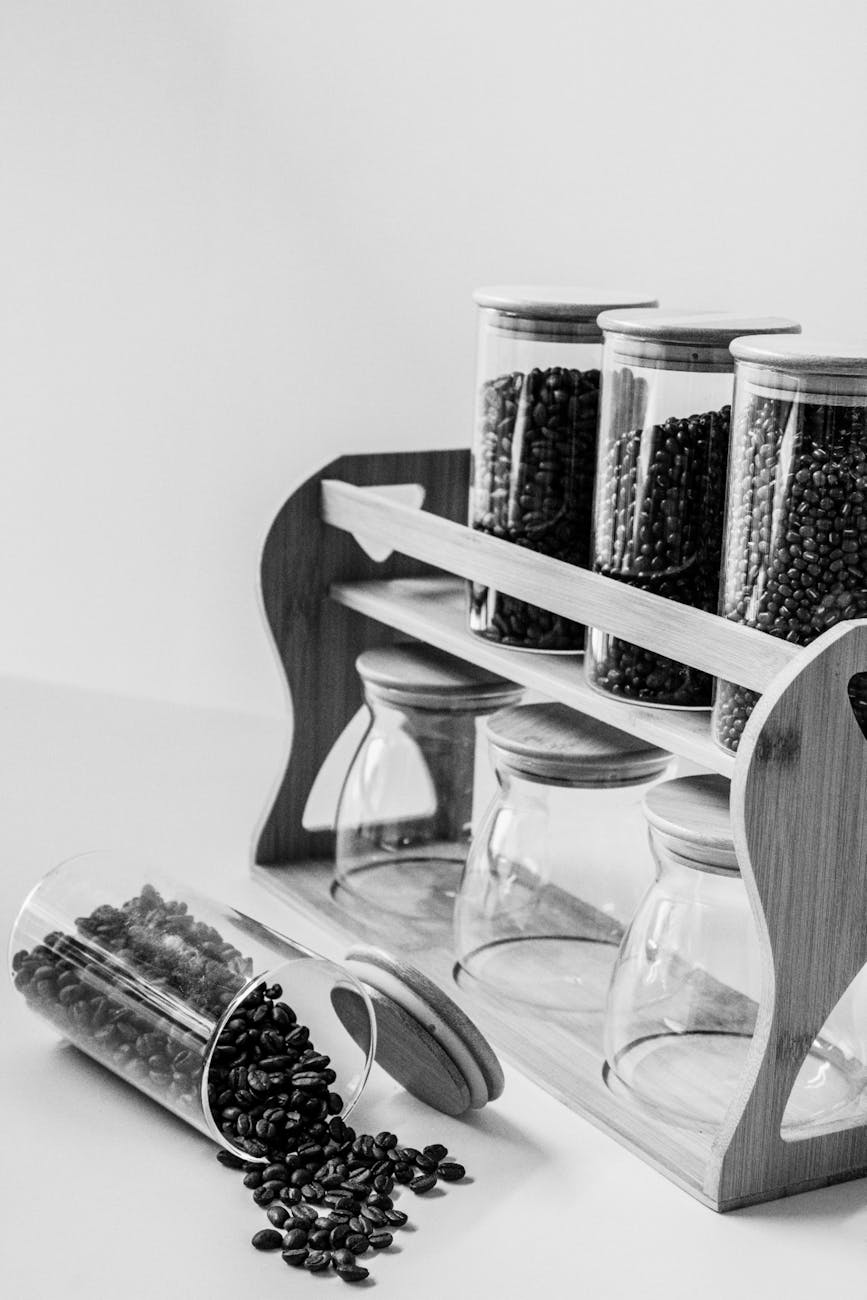
Every coffee enthusiast knows the magic lies in the beans. You can have the most advanced espresso machine on the market, but without fresh, properly stored beans, your morning shot will fall flat. The challenge, however, isn’t just about preserving flavor; it’s about integrating that preservation into a smooth, efficient daily routine. Juggling bags, scoops, and scales while you’re half-asleep can be frustrating. This article will explore the best methods for storing your precious espresso beans, focusing not only on maintaining peak freshness but also on optimizing your daily workflow. We will move beyond the simple advice of using an airtight container and delve into practical strategies, like single dosing, that can transform your coffee-making process from a frantic task into a seamless ritual.
Understanding the enemies of your espresso beans
Before we can build an efficient workflow, we must first understand what we are fighting against. Coffee beans are delicate organic matter, and their complex flavors and aromas are volatile. Four primary environmental factors are constantly working to degrade the quality of your roasted coffee. Mastering your storage means protecting your beans from these elements.
- Oxygen: This is coffee’s number one enemy. The moment roasted beans are exposed to oxygen, a process called oxidation begins. It’s similar to how an apple turns brown after you slice it. Oxidation causes the oils in the coffee to become stale and rancid, leading to a flat, cardboard-like taste. The more air your beans are exposed to, the faster they will lose their vibrant character.
- Light: Direct sunlight, and even strong artificial light, contains UV rays that can accelerate the breakdown of the delicate oils and aromatic compounds within the beans. This is why you’ll never see a specialty coffee roaster using clear packaging. Light essentially “cooks” the beans further, destroying the nuanced flavors you paid for.
- Heat: Heat acts as a catalyst, speeding up the chemical reactions, including oxidation. Storing your beans near a heat source—like on top of the refrigerator, next to the oven, or in a sunny spot on the counter—will cause them to go stale significantly faster. A cool, stable temperature is essential.
- Moisture: Coffee beans are hygroscopic, meaning they absorb moisture from the surrounding air. Moisture can not only dilute the precious oils but also create a breeding ground for mold. This is the primary reason why storing beans in the refrigerator for daily use is a bad idea; condensation forms every time you take the container out, introducing damaging moisture.
Structuring your storage for daily use
Now that we know our enemies, we can design a system that protects the bulk of our beans while making our daily brewing process quick and easy. The key is to separate your long-term storage from your short-term supply. Leaving an entire bag of coffee in your grinder’s hopper is one of the fastest ways to ruin it. A standard hopper is not airtight or lightproof, exposing a large quantity of beans to oxygen and light for days on end.
Instead, adopt a two-container approach. The main bag of beans should be stored for bulk preservation. Keep the coffee in its original bag if it has a one-way degassing valve and a resealable zip-lock. Squeeze as much air out as possible before sealing, and then place this entire bag inside a larger airtight container in a cool, dark pantry or cupboard. For your daily supply, use a smaller, dedicated countertop container. This “daily driver” should be completely opaque and have a strong airtight seal. Each morning or evening, you simply transfer enough beans for the next 24-48 hours from your bulk storage into this smaller container. This strategy ensures that only a small portion of your coffee is exposed to repeated air exchange, keeping the majority perfectly fresh.
The ultimate workflow: Single dosing for freshness and precision
For the espresso enthusiast seeking the absolute best in both flavor and efficiency, the single-dosing workflow is the gold standard. This method involves weighing out the exact amount of beans needed for a single shot (e.g., 18 grams) and storing these individual portions in separate, small containers. While it sounds meticulous, it offers unparalleled advantages.
The process is simple: Once or twice a week, take out your main bag of beans and a coffee scale. Weigh out 10-15 individual doses into small, airtight containers. Many baristas use small test tubes with caps or tiny spice jars. These are then stored in a dark cupboard. When it’s time to make your espresso, you simply grab one pre-weighed vial, pour it into your grinder, and proceed. This eliminates the need for a scale during your busy morning routine and ensures your grind is based on a precise, consistent weight every time.
The benefits are threefold:
- Peak Freshness: The bulk of your coffee is only exposed to air once a week during the weighing process. Each dose remains perfectly sealed until the moment of grinding.
- Perfect Consistency: Every single shot starts with the exact same weight of beans, removing a major variable and making it easier to dial in your grind and diagnose any issues with your shots.
- Unmatched Efficiency: The “work” of weighing is batched into one short session, making your daily coffee-making process incredibly fast. Just grab a vial, grind, tamp, and pull your shot.
Comparing storage methods
Choosing the right method depends on your personal preference for convenience versus quality. A beginner might start with a simple canister, while a dedicated hobbyist will likely gravitate towards single dosing. To make the decision clearer, here is a direct comparison of the most common storage strategies.
| Storage method | Best for | Freshness level | Workflow efficiency |
|---|---|---|---|
| Leaving beans in the hopper | Convenience over quality | Low (high exposure to air and light) | High (always ready to grind) |
| Airtight countertop canister | A good balance for daily drinkers | Medium (bulk is protected, daily portion is exposed) | Medium (requires daily refilling) |
| Single-dose vials | Maximum freshness and consistency | Very High (each dose is sealed) | Very High (after initial prep) |
| Freezing the bag | Long-term storage (1+ month) only | High (if done correctly) | Low (impractical for daily use, risk of condensation) |
As the table illustrates, the single-dosing method provides the best of both worlds after the initial preparation, offering the highest level of freshness and a remarkably efficient daily workflow. It truly is the pinnacle of home espresso preparation.
In conclusion, elevating your daily espresso experience is a tale of two parts: protecting your beans and streamlining your process. The foundation of good coffee storage is defending against the elements of oxygen, light, heat, and moisture. By separating your bulk supply from a smaller, daily-use portion, you are already winning half the battle. Storing the main bag in a dark cupboard and using a small, opaque canister for your countertop is a fantastic and practical approach for most coffee drinkers. However, for those who seek perfection in every cup, embracing the single-dosing workflow is a game-changer. It transforms your coffee routine into an act of precision, ensuring maximum flavor preservation and ultimate efficiency, proving that the best way to store beans is the one that makes your daily ritual both delicious and effortless.
 No products in the cart.