

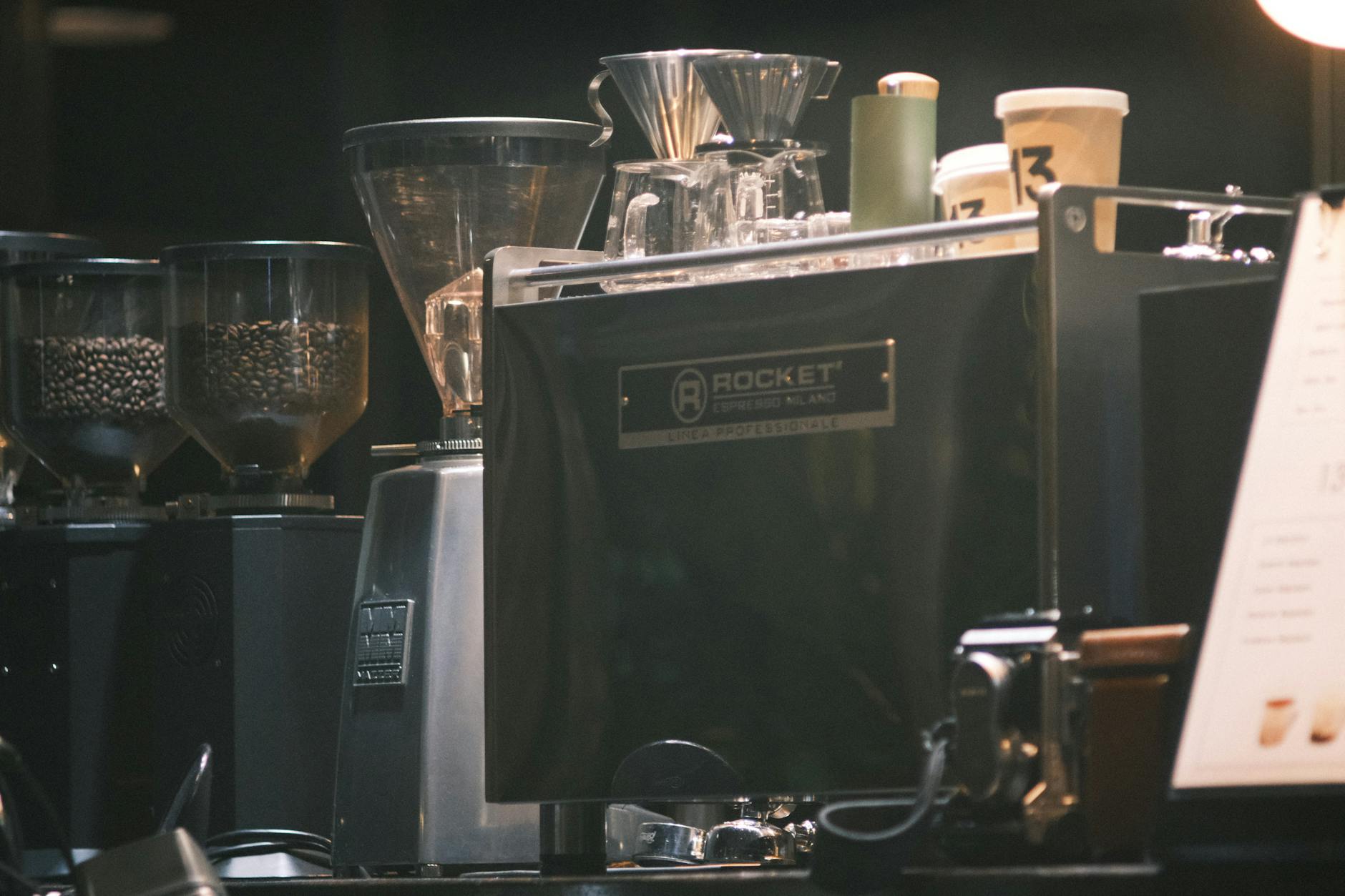
Choosing the best coffee beans for your super-automatic espresso machine
A super-automatic espresso machine is a marvel of convenience, grinding beans and pulling a perfect shot at the touch of a button. However, this convenience comes with a caveat: these machines are more sensitive to the type of coffee you use than their semi-automatic cousins. The integrated grinder is the heart of the machine, but it’s also its most vulnerable component. Feeding it the wrong beans can lead to clogs, malfunctions, and ultimately, a disappointing cup of coffee. This guide will walk you through the best types of coffee beans to use, ensuring you get delicious espresso while protecting your investment and keeping your machine running smoothly for years to come.
Understanding your super-automatic grinder and its limits
Before we dive into specific beans, it’s crucial to understand why your choice matters so much. A super-automatic machine has an internal burr grinder that crushes whole beans into a uniform powder just before brewing. After grinding, this coffee powder is funneled into a brew group, where it’s automatically tamped and brewed. The entire pathway, from the hopper to the brew group, is a closed system with tight tolerances.
The primary enemy of this system is excess oil. Coffee beans contain natural oils that are released during the roasting process. The darker the roast, the more oil is pushed to the surface of the bean, giving it a noticeable shine. These oils, while flavorful, are sticky. They can build up on the grinder burrs, cake the inside of the chute that transports the grounds, and gum up the intricate mechanisms of the brew group. This buildup not only imparts a rancid, stale flavor to your coffee but also forces the grinder’s motor to work harder, leading to premature wear and tear or even a complete breakdown.
The great debate: Oily vs. dry beans
This brings us to the most important rule for super-automatic machines: avoid overly oily beans. When you look into a bag of coffee, the beans should have a matte or satin finish. If they are glistening, shiny, or feel sticky to the touch, they are too oily for your machine. These are typically beans that have been roasted very dark, often labeled as French Roast, Italian Roast, or Viennese Roast.
So, what should you look for? The ideal bean for a super-automatic is a “dry” bean, which simply means the oils have not been brought to the surface. This is characteristic of light to medium roasts. These beans flow freely through the hopper and grinder, don’t leave a sticky residue, and allow the machine to operate as designed. You get a clean, consistent grind and a brew group that can easily eject the dry puck of used grounds after extraction. Choosing a less oily bean is the single most effective step you can take to ensure your machine’s longevity.
Finding the sweet spot: The best roast levels
Navigating roast levels is key to finding the perfect bean. While all coffee can be used in theory, some roasts are far better suited for the unique brewing environment of a super-automatic.
- Light Roasts: These beans are very dense and hard. Some lower-torque grinders in super-automatics can struggle to grind them consistently. They are also higher in acidity, and the fast, high-pressure brewing of a super-automatic may not fully develop their delicate, nuanced flavors, sometimes resulting in a sour shot.
- Medium Roasts: This is the ideal territory. Medium roast beans offer a perfect balance of developed flavor and machine safety. They have a rich body, balanced acidity, and are not oily. They grind easily and consistently, allowing the machine to extract a well-rounded and flavorful shot of espresso. Look for labels like City, American, or Full City roast.
- Medium-Dark Roasts: If you prefer a bolder, more traditional espresso profile with notes of chocolate and caramel, a medium-dark roast can be an excellent choice. These beans might have a slight sheen of oil but should not be actively wet or sticky. They provide a richer flavor than a medium roast without posing a significant risk to your grinder.
- Dark Roasts: As discussed, these are best avoided. The heavy oil content is a direct threat to your machine’s internal components. If you absolutely must use a dark roast, be prepared to clean your machine’s grinder and brew group far more frequently than the manufacturer recommends.
Arabica vs. robusta: Does the bean type matter?
The two most popular coffee species are Arabica and Robusta, and their characteristics can influence your final cup. For a super-automatic machine, a high-quality 100% Arabica bean is often the best starting point. Arabica beans are prized for their complex, aromatic, and sweet flavor profiles with higher acidity and less bitterness. When medium-roasted, they are almost never oily, making them a perfectly safe and delicious choice.
Robusta beans, on the other hand, are known for their bold, strong flavor, higher caffeine content, and ability to produce a thick, stable crema. Many traditional Italian espresso blends include a small percentage of Robusta (typically 10-20%) to enhance the crema and body. A blend like this can work beautifully in a super-automatic, provided the overall roast level is medium and the beans are not oily. The key is to seek out high-quality Robusta that complements the Arabica rather than overpowering it with harsh, rubbery notes.
Roast level suitability at a glance
| Roast Level | Typical Oil Level | Suitability for Super-Automatics | Common Flavor Profile |
|---|---|---|---|
| Light Roast | None (Dry) | Acceptable but can be hard to grind | Fruity, floral, high acidity |
| Medium Roast | Very Low (Matte) | Excellent / Ideal | Balanced, chocolate, nutty, caramel |
| Medium-Dark Roast | Low to Moderate (Satin sheen) | Good, but check for excess oil | Rich, bold, bittersweet chocolate |
| Dark Roast | High (Shiny / Greasy) | Not Recommended | Smoky, burnt, very low acidity |
Conclusion: The perfect bean for a happy machine
Choosing the right coffee for your super-automatic espresso machine doesn’t have to be complicated. The golden rule is simple: prioritize non-oily beans. By sticking to medium or medium-dark roasts, you strike the perfect balance between rich, delicious flavor and the long-term health of your machine. A high-quality 100% Arabica or an Arabica-dominant espresso blend will consistently deliver fantastic results without clogging your grinder or brew group. While it might be tempting to grab that bag of dark, shiny Italian roast beans, resisting the urge will save you from potential maintenance headaches and costly repairs. Experiment within these safe parameters, keep your machine clean, and you’ll be rewarded with effortless, cafe-quality espresso every single day.

 No products in the cart.