

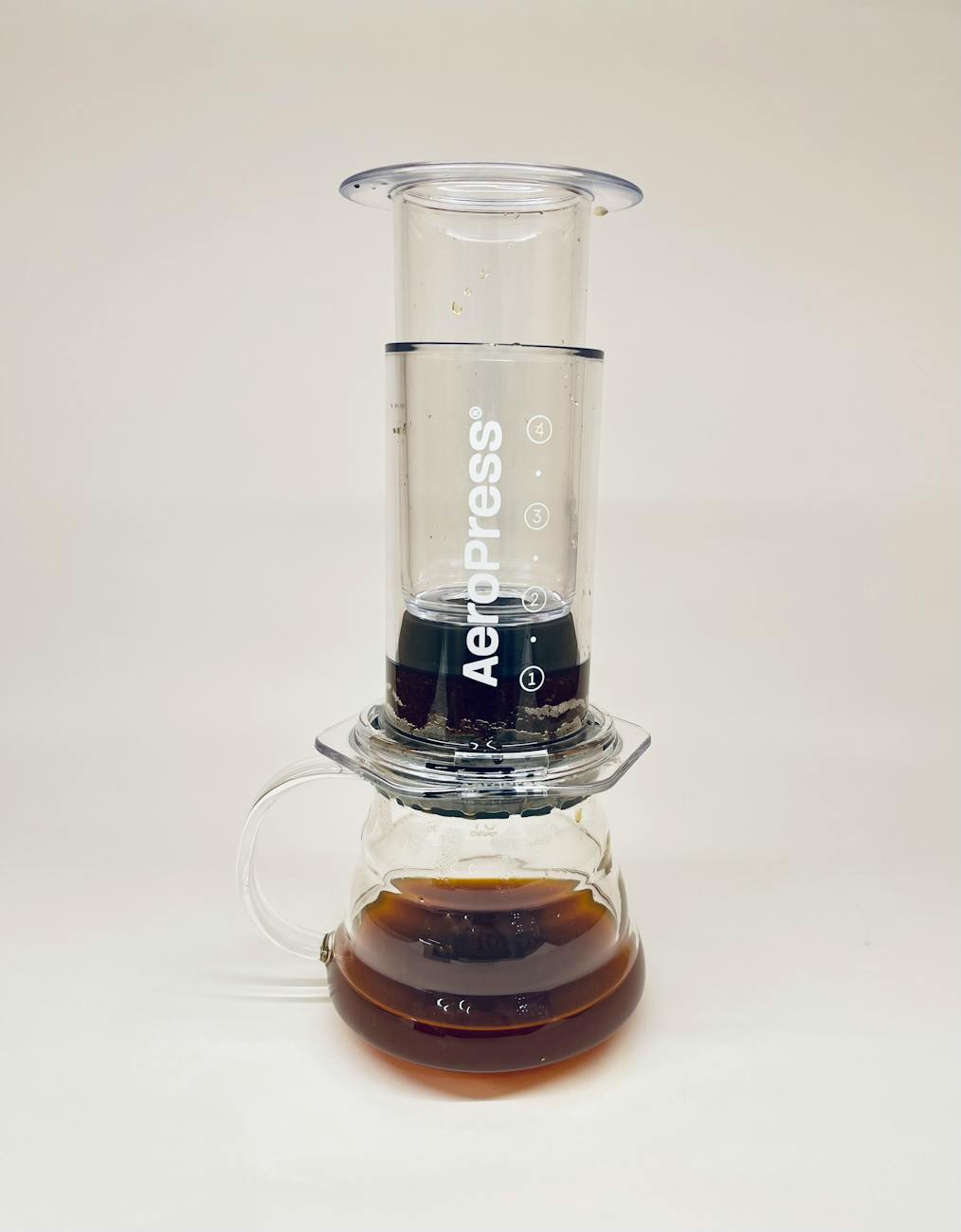
Mastering the plunge: Proven techniques for preventing Aeropress channeling
The Aeropress is celebrated by coffee lovers for its versatility, speed, and ability to produce a remarkably clean and flavorful cup. However, even this forgiving brewer is susceptible to a common pitfall that can ruin a potentially perfect brew: channeling. This phenomenon, where water bypasses parts of the coffee grounds by finding paths of least resistance, leads to an unbalanced extraction that is simultaneously sour and bitter. The result is a cup that fails to live up to its potential. This article will delve into the causes of Aeropress channeling and provide you with a set of practical, easy-to-implement techniques to ensure an even, delicious extraction every single time you press the plunger.
What is channeling and why does it matter?
Before we can fix the problem, it’s essential to understand it. In any coffee brewing method, the goal is even extraction. This means that water should pass through all of the coffee grounds at a similar rate, extracting the desirable flavor compounds uniformly. Channeling is the direct enemy of this goal. It occurs when water, under the pressure of the plunge, finds or creates small “channels” or tunnels through the puck of coffee grounds. Instead of saturating the entire bed, the water rushes through these specific pathways.
The consequences for your final cup are significant. The grounds located directly in these channels get blasted with too much water, leading to over-extraction and introducing bitter, harsh flavors. Meanwhile, the majority of the coffee grounds are neglected and under-extracted, contributing sour, acidic, and undeveloped notes. The final cup is a confusing mix of these two extremes, lacking the sweetness and complexity you’re looking for. A key sign of channeling is a messy, soupy puck after plunging, often with visible holes or fissures on the surface where the water broke through.
The foundation: Preparing the coffee bed
The battle against channeling is often won or lost before water even touches the coffee. Your preparation of the dry grounds inside the Aeropress chamber is the single most critical factor for ensuring an even flow. It all begins with the grind.
- Grind consistency is king: An inconsistent grind, with a mix of large “boulders” and fine “dust,” is a primary cause of channeling. Water will rush past the large particles and get clogged by the fines, creating an uneven slurry. Using a quality burr grinder is non-negotiable for achieving a uniform particle size. A medium-fine grind, similar in texture to table salt, is a great starting point for most Aeropress recipes.
- Distribute the grounds evenly: Once you add your ground coffee to the chamber, don’t just pour water on top. The grounds will likely have formed a mound. Gently shake or tap the side of the Aeropress to level the bed. For an even more precise approach, use a simple distribution tool (like a paperclip or a specialized WDT tool) to rake through the grounds and break up any clumps, ensuring a homogenous, level surface.
- The question of tamping: Unlike espresso, a hard tamp is not necessary or even desirable in an Aeropress. However, a very gentle press, perhaps with the back of a spoon or the plunger itself, can help create a slightly more compact and uniform bed. The goal isn’t compression but simply ensuring there are no low-density pockets that could encourage a channel to form.
Mastering the pour and the plunge
Once your coffee bed is perfectly prepared, your technique during the brewing and plunging phase becomes the next line of defense against channeling. Haste and aggression are your enemies here; control and gentleness are your allies. Start by ensuring your paper filter is properly rinsed with hot water to remove any papery taste and help it adhere to the filter cap.
When you add your water, do so gently. Pouring from a great height or too quickly into one spot can agitate the coffee bed and create a crater that becomes a future channel. Use a gooseneck kettle if you have one for maximum control, pouring in a slow, circular motion to saturate all the grounds evenly. After stirring, the final step is the plunge. This is where most channeling is triggered. The key is to apply slow and consistent pressure. Pushing too hard and fast will force the water to find the path of least resistance. Aim for a plunge time of around 20-30 seconds. You should feel a steady, elastic-like resistance. If the pressure suddenly gives way and the plunger sinks quickly, a channel has likely formed.
Troubleshooting your brew
Even with perfect technique, you might still encounter issues. Fine-tuning your process is part of the fun of brewing with an Aeropress. One of the simplest and most effective “hacks” is to use two paper filters instead of one. This adds a small amount of extra resistance, slowing the flow of water and creating more back-pressure. This can smooth out the plunge and act as a safety net, helping to mitigate any minor imperfections in your coffee bed that might have otherwise led to channeling.
Another variable to consider is your brewing method. While both standard and inverted methods can produce excellent coffee, the inverted method can sometimes be more forgiving. By allowing the coffee and water to steep fully before you introduce the pressure of the plunge, you ensure a completely saturated and uniform slurry, which can be less prone to channeling when you flip and press. Below is a table to help diagnose and fix common channeling issues.
| Symptom | Likely Cause | Solution |
|---|---|---|
| Coffee tastes sour and bitter at the same time | Uneven extraction due to channeling | Improve grind consistency; focus on leveling the coffee bed before adding water |
| The plunger sinks very quickly with little resistance | A major channel has formed | Slow down your plunge; apply less pressure; try using two paper filters |
| The finished puck is wet and has visible holes | Plunging too fast or with an uneven coffee bed | Distribute grounds evenly before brewing; focus on a slow, 20-30 second plunge |
| The brew starts dripping through heavily before you plunge (standard method) | Grind is too coarse or bed is not settled | Use a slightly finer grind; try the inverted method to control steep time |
Achieving a flawless Aeropress brew is a matter of controlling variables. By focusing on creating a uniform coffee bed and applying gentle, consistent pressure, you eliminate the primary causes of channeling. Remember that the foundation is a consistent grind and an evenly distributed bed of coffee. From there, a gentle pour and a slow, steady plunge will guide the water to extract flavor evenly from every single particle. Don’t be afraid to experiment with these techniques, whether it’s adding a second filter or adjusting your plunge speed. Taking control of these small details is what transforms the Aeropress from a convenient travel brewer into a precision tool for crafting a consistently delicious, balanced, and channel-free cup of coffee.


 No products in the cart.