

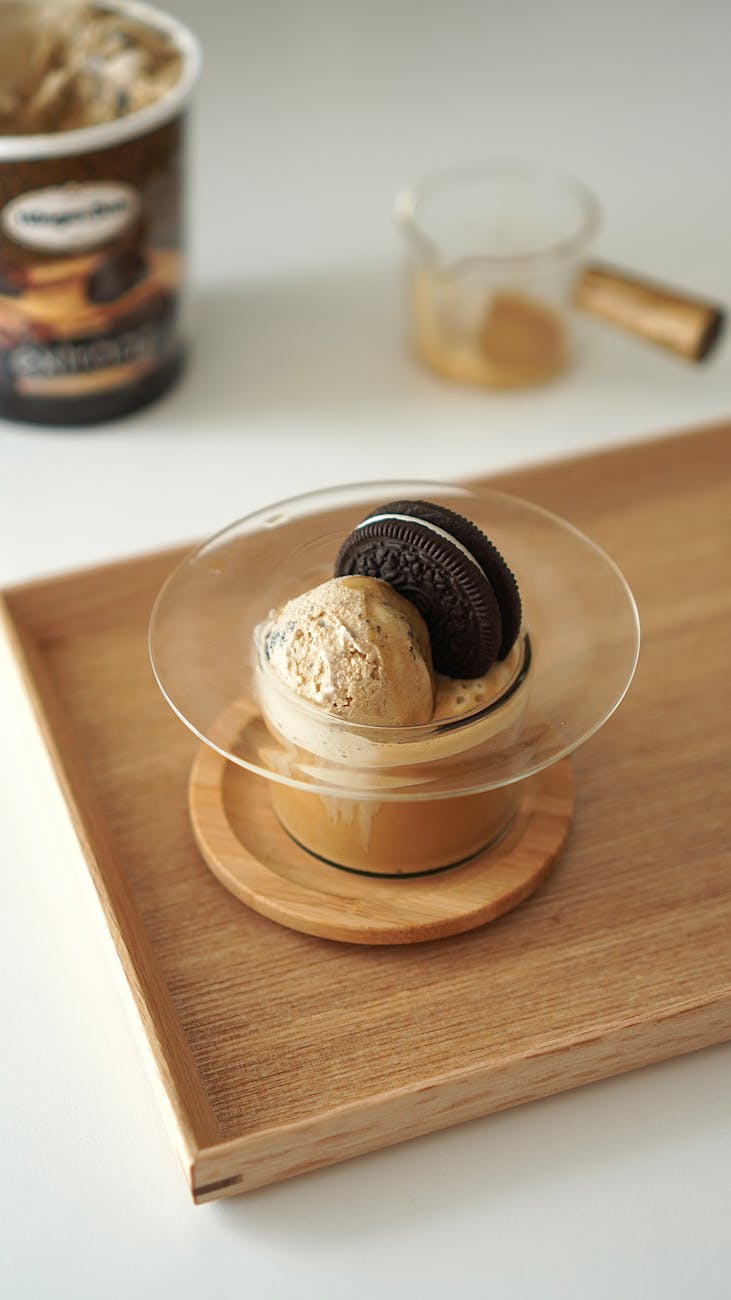
Beyond the cup: The art of consistent espresso for perfect desserts
A perfectly executed tiramisu, a velvety espresso panna cotta, or a classic affogato can be a transcendent experience. The common thread weaving through these iconic desserts is a high-quality, robust shot of espresso. However, the success of the final dish doesn’t just depend on a single, great-tasting shot. It relies on the ability to replicate that shot with unwavering consistency, time and time again. For chefs and pastry artisans, espresso is not a beverage; it’s a critical ingredient with specific properties. This article delves into the significant technical challenges of pulling consistent espresso shots for dessert applications, moving beyond the simple act of brewing coffee to the precise science of creating a reliable pastry component.
Beyond the sip: The unique demands of dessert espresso
When a barista pulls a shot for a cappuccino or a latte, their goal is to create a balanced, delicious beverage to be enjoyed on its own. The margin for slight variation is often acceptable. In the world of pastry, that margin disappears. For a dessert, espresso transforms into a potent flavoring agent, where any inconsistency can compromise the entire recipe. A shot that is slightly sour (under-extracted) can impart an unpleasant tang to a delicate mousse, while a bitter, over-extracted shot will completely overpower the subtle sweetness of mascarpone in a tiramisu.
Furthermore, recipes are built on precision. A pastry recipe calls for a specific volume of liquid to maintain its structure and texture. If your espresso machine is producing shots that vary in volume from 25ml to 45ml, you’re introducing a variable that can ruin the final product. The concentration of the espresso, often measured as Total Dissolved Solids (TDS), is equally crucial. A watery, weak shot won’t provide the deep coffee flavor required, forcing a chef to use more liquid and thus upsetting the recipe’s balance. Treating espresso as a standardized ingredient, much like flour or sugar, is the foundational mindset needed to overcome these challenges.
Mastering the variables: Grind size, dose, and distribution
The quest for consistency begins long before water hits the coffee. The three pillars of espresso preparation are the dose (the amount of coffee), the grind size, and the distribution of the grounds in the portafilter basket. Each must be controlled with scientific rigor.
- Dose: In a high-volume kitchen, eyeballing the amount of coffee is not an option. A high-precision digital scale measuring to at least 0.1 grams is essential. A seemingly minor variation of just half a gram of coffee can dramatically alter the extraction time and final shot volume, leading to inconsistent flavor and concentration. The dose must be the same, every single time.
- Grind Size: The grind is the primary dial for controlling how quickly water flows through the coffee puck. For dessert applications, the goal is often a rich, balanced shot that avoids the sharp edges of acidity or bitterness. This might mean your ideal “dessert grind” is slightly different from your perfect “drinking espresso” grind. The key is to find that setting and lock it in, making only micro-adjustments as the day progresses to account for changes in humidity or bean age.
- Distribution and Tamping: An evenly distributed and tamped puck of coffee is non-negotiable. If the grounds are clumpy or uneven, water will create channels, flowing through the path of least resistance. This results in a shot that is simultaneously under-extracted (where water rushed through) and over-extracted (where water barely passed), creating a chaotic mix of sour and bitter notes. Tools like a Weiss Distribution Technique (WDT) tool to break up clumps are invaluable for ensuring an even, repeatable extraction.
Taming the machine: Temperature, pressure, and water chemistry
Even with a perfectly prepared puck of coffee, the espresso machine itself introduces a new set of critical variables. Modern commercial machines offer incredible stability, but they still require careful management to ensure consistency during a busy service.
Temperature stability is paramount. A drop of just a few degrees can turn a balanced shot into a sour one. In a busy kitchen pulling multiple shots back-to-back, the group head temperature can fluctuate. Implementing a strict workflow, such as a brief water flush before locking in the portafilter, helps stabilize the temperature for every shot. Machines equipped with a PID (Proportional-Integral-Derivative) controller offer superior digital temperature control, making them a worthy investment for any serious pastry program.
Just as important is the often-overlooked element of water chemistry. The mineral content of your water directly impacts flavor extraction. Water that is too hard (high in calcium and magnesium) can lead to scale buildup in the machine and produce dull, flat-tasting espresso. Conversely, using distilled or overly soft water can be too aggressive, stripping out only the brightest, most acidic compounds and resulting in a thin, sour shot. Installing a dedicated water filtration and remineralization system is the ultimate solution for consistency, ensuring the water you use today is identical to the water you use tomorrow.
From single shot to service: Workflow and scaling
The final challenge lies in integrating this precise process into a real-world, high-pressure service environment. How do you maintain quality when you need espresso for ten tiramisus at once? This is where the debate between batching shots versus pulling them fresh comes in.
Espresso is a volatile product. The moment it is extracted, it begins to degrade. The beautiful crema dissipates, delicate aromatics are lost, and oxidation begins to create bitter flavors. For a dessert like an affogato, where the hot, fresh espresso is poured directly over ice cream, there is no substitute for pulling the shot to order. The temperature contrast and the texture of the fresh crema are essential to the experience.
For recipes where the espresso will be cooled and mixed with other ingredients, like a mousse or tiramisu, a small-batch approach can work. This involves pulling a set number of perfectly calibrated shots just before service begins and cooling them rapidly. However, this window is short. An espresso that sits for more than 20-30 minutes will have lost much of its character. Creating a clear system for when and how many shots to pull is key to balancing efficiency with quality.
| Dessert Type | Recommended Espresso Approach | Key Consideration |
|---|---|---|
| Tiramisu | Small Batch (cooled) | Flavor needs to be potent and balanced to soak into ladyfingers. Cooling is essential. |
| Affogato | Pulled Fresh, To Order | The temperature contrast and fresh crema are the entire point of the dessert. |
| Espresso Mousse/Panna Cotta | Small Batch (cooled) | Consistency in volume and strength is paramount for the dessert to set correctly. |
| Espresso Martinis (Cocktail) | Pulled Fresh, To Order | Crema is a key textural component. A stale shot will result in a flat-looking and tasting drink. |
Conclusion
In conclusion, achieving consistent espresso for high-end desserts is a demanding technical discipline that elevates coffee from a simple beverage to a precise pastry ingredient. It requires a holistic approach that acknowledges the unique demands of dessert applications, where flavor balance and volume accuracy are paramount. Success hinges on the meticulous control of foundational variables like grind size and dose, the careful management of machine parameters such as temperature and water chemistry, and the implementation of a smart workflow designed for a fast-paced environment. By embracing this level of technical detail, chefs and baristas can conquer these challenges, ensuring that every espresso-based dessert they serve is not just delicious, but reliably and exceptionally so.


 No products in the cart.