

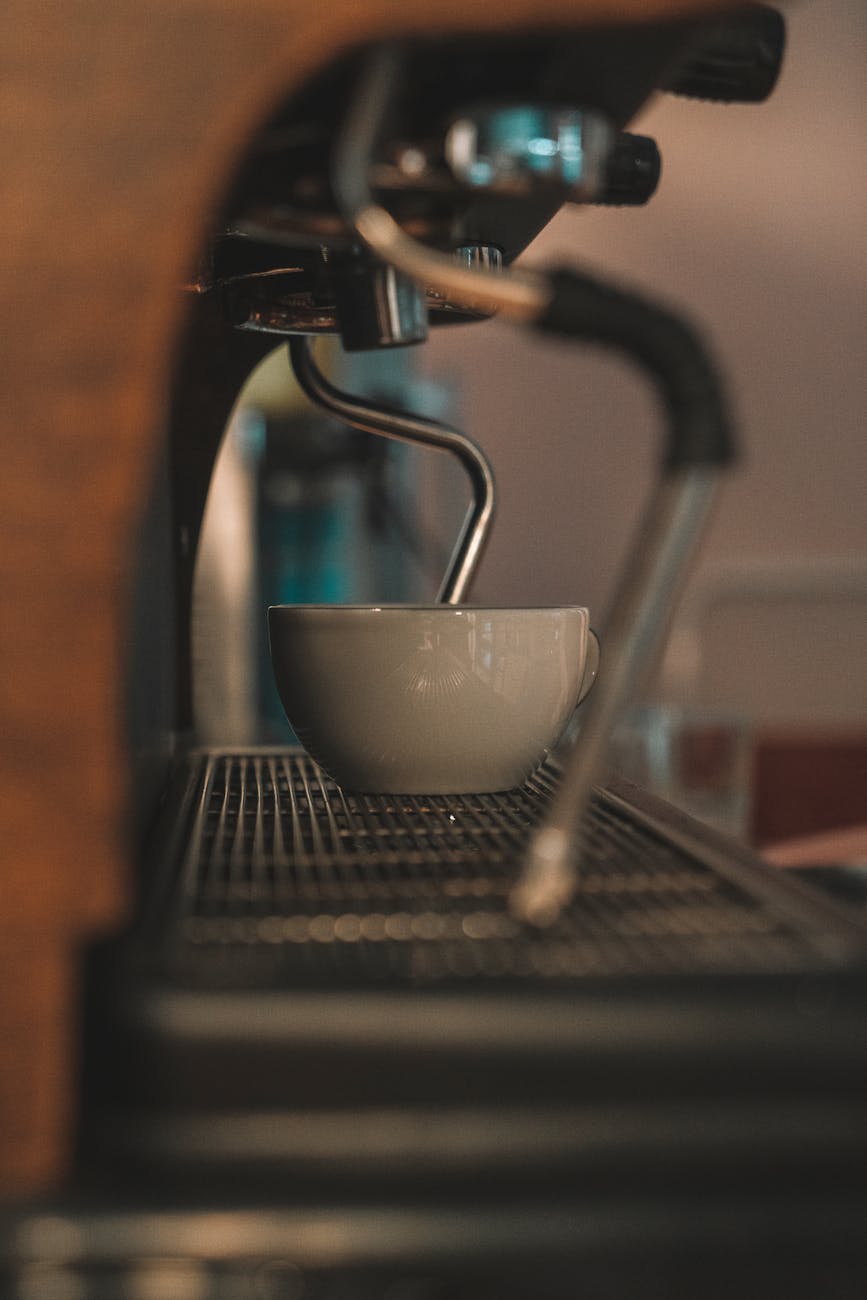
The quest for the perfect cup of coffee often leads enthusiasts down the path of home espresso. A key player in this journey is the coffee bean itself, and The Coffee Bean & Tea Leaf’s (CBTL) Espresso Roast is a classic choice, known for its smooth, balanced, and velvety body. But simply having great beans is not enough. Achieving that cafe-quality double shot requires a precise and repeatable workflow. This guide is designed to take you through that exact process, step by step. We will explore everything from preparing your equipment and beans to the nuanced arts of dosing, tamping, and finally, pulling the shot. By following this detailed workflow, you will unlock the rich, caramel-like sweetness and aromatic depth of the CBTL Espresso Roast right in your own kitchen.
Gathering your essentials and preparing the beans
Before you can pull a delicious shot, you must have the right tools and properly prepared beans. A successful espresso workflow is built on a foundation of consistency, and that starts here. Your primary toolkit should include an espresso machine, a quality burr grinder, a portafilter, a tamper, and a digital scale with a timer. The scale is non-negotiable; it is the single most important tool for achieving repeatable results.
Start with fresh, whole bean CBTL Espresso Roast. Coffee is at its peak flavor within a few weeks of its roast date. Your first task is to dial in your grinder. This means finding the perfect grind size for your specific beans and machine. For espresso, you are looking for a fine grind, similar in texture to table salt or powdered sugar. A grind that is too coarse will result in a fast, under-extracted, and sour shot. A grind that is too fine will choke the machine, leading to a slow, over-extracted, and bitter shot. This initial dialing-in process involves a bit of trial and error, but it is a critical first step to mastering your brew.
The workflow of dosing and distribution
With your grinder dialed in, the hands-on process begins. The goal of this stage is to create a uniform bed of coffee grounds in your portafilter basket, which is essential for an even extraction. Any inconsistencies here can lead to channeling, where water finds a path of least resistance through the coffee puck, resulting in a poorly extracted and unbalanced shot.
- Dosing: Place your portafilter on the digital scale and tare it to zero. For a standard double shot, you should aim for a dose of 18 to 20 grams of coffee. Grind your CBTL Espresso Roast beans directly into the portafilter until you reach your target weight. Being precise to within 0.1 grams will dramatically improve your consistency.
- Distribution: After grinding, you will likely have a mound of coffee in the portafilter. You need to distribute these grounds evenly. You can do this by gently tapping the side of the portafilter with your hand to settle the grounds. For even better results, many baristas use a distribution tool (like a WDT tool with fine needles) to break up clumps and evenly spread the grounds before tamping.
Proper tamping and machine preparation
Tamping is the act of compressing the coffee grounds into a dense, level puck. The purpose is to create a uniform resistance for the hot water that will be forced through it during extraction. A poor tamp is one of the most common causes of a bad espresso shot. First, ensure your portafilter is on a level surface. Hold the tamper like you would a doorknob, with your elbow directly above it to ensure you apply even pressure.
Press down firmly and evenly until the coffee puck feels fully compacted. The common advice is to use about 30 pounds of pressure, but what is more important is consistency and ensuring the puck is perfectly level. After the main tamp, you can give the tamper a gentle spin without applying pressure to “polish” the surface. Before you lock the portafilter into the machine, run the grouphead for a few seconds to purge any old water and stabilize the temperature. This ensures the water hitting your coffee is at the optimal brewing temperature.
Pulling the shot and evaluating the result
This is the final and most rewarding step. Place your cup and scale under the portafilter and tare the scale to zero. Start your shot and your timer simultaneously. For the first few seconds, you should see nothing, followed by dark, rich drops of espresso beginning to form. These will then merge into a steady, syrupy stream that is reddish-brown in color, often called “tiger striping.”
You are aiming for a specific brew ratio, typically 1:2. This means for every 1 gram of dry coffee grounds, you want 2 grams of liquid espresso in your cup. So, if you started with an 18-gram dose, you will stop the shot when the scale reads 36 grams of liquid espresso. This entire process should take between 25 and 32 seconds. If it runs much faster, your grind is too coarse. If it takes much longer, your grind is too fine. Use this feedback to adjust your grind size for the next shot.
| Parameter | Target Range | Notes |
|---|---|---|
| Dry Dose | 18 – 20 grams | The amount of ground CBTL Espresso Roast used. |
| Liquid Yield | 36 – 40 grams | The final weight of the liquid espresso in the cup. |
| Extraction Time | 25 – 32 seconds | Total time from starting the pump to reaching the target yield. |
| Brew Ratio | 1:2 | The ratio of dry coffee dose to liquid espresso yield. |
By mastering this workflow, you can turn a simple bag of CBTL Espresso Roast beans into a truly exceptional coffee experience. The journey from bean to cup is one of precision, practice, and patience. We have covered the entire process, starting with the critical importance of gathering the right tools and dialing in your grind size. We then moved through the meticulous steps of dosing, distributing, and tamping the coffee grounds to ensure a perfectly even puck. Finally, we detailed the process of pulling the shot, emphasizing the key variables of dose, yield, and time that define a well-extracted espresso. Remember that these parameters are a starting point; true mastery comes from tasting your results and making small adjustments to craft a shot that perfectly suits your palate.
 No products in the cart.