

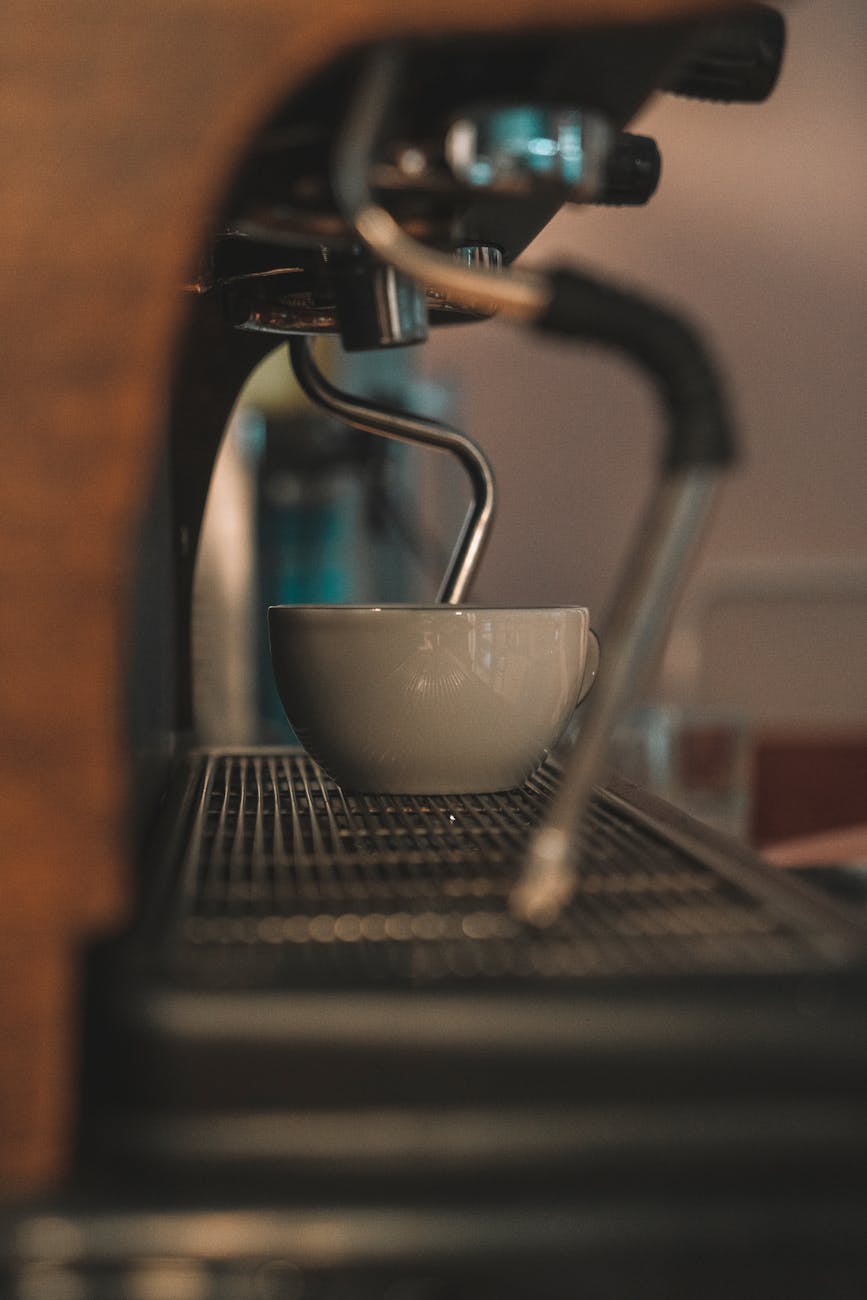
Optimizing your workflow for back-to-back espresso shots on a Gaggia Classic
The Gaggia Classic is a legendary machine, beloved by home baristas for its robust build and potential to produce true, cafe-quality espresso. However, its single-boiler design presents a unique challenge: how do you serve multiple drinks for guests or family without a significant drop in quality or a long wait time? Pulling consecutive shots can be a race against temperature instability. A shot pulled too hot becomes bitter and harsh, while one pulled too cold is sour and weak. This article is your guide to mastering the Gaggia Classic. We will break down a repeatable, efficient workflow that allows you to pull delicious, consistent back-to-back espresso shots, turning one of the machine’s biggest limitations into a manageable part of your coffee ritual.
Understanding the single boiler challenge
Before we can build a workflow, it’s crucial to understand why it’s necessary. The Gaggia Classic is a single-boiler, dual-use (SBDU) machine. This means a single heating element inside a small boiler is responsible for two very different tasks: heating water to brew temperature (around 90-95°C or 195-205°F) and creating steam for frothing milk (around 140°C or 285°F).
The machine uses a simple thermostat to regulate temperature. It turns the heating element on when the water is too cold and off when it’s too hot. This creates a temperature range, or “deadband,” of about 10-15°C. Pulling a shot at the bottom of this range versus the top will result in a drastically different taste. When you pull one shot, cold water enters the boiler to replace it, causing the temperature to plummet. The machine then works to reheat, but timing the next shot perfectly without a strategy is pure guesswork. This is the core challenge we need to overcome for shot-to-shot consistency.
Mise en place: Preparing for speed and success
In professional kitchens, “mise en place” means having everything in its place before you start cooking. The same principle is vital for a smooth espresso workflow. Rushing to find a tool or weigh beans while the boiler temperature is peaking will ruin your consistency. Preparation is everything.
- Warm everything up: This is non-negotiable. Turn your Gaggia Classic on at least 20-30 minutes before you plan to brew. During this time, lock the portafilter into the group head so it gets piping hot. A cold portafilter is a major heat sink and will instantly rob your brew water of precious degrees, leading to an under-extracted shot. Keep your cups on top of the machine to warm them as well.
- Prepare your doses: Don’t wait to grind your beans between shots. Weigh out the beans for each shot you plan to make. If your grinder has low retention, you can grind each dose into a separate dosing cup. This allows you to simply dump, distribute, and tamp for your second and third shots without delay.
- Organize your station: Lay out your tools in the order you will use them. Have your WDT tool (or a needle distribution tool), tamper, and a dedicated knock box ready. A clean, dry towel should be on hand to wipe the portafilter basket between shots. By minimizing movement and decision-making, you can focus entirely on the machine’s timing.
The art of temperature surfing for back-to-back shots
Temperature surfing is the technique of manually managing the boiler’s heating cycle to ensure you start brewing at the same temperature every single time. It sounds complex, but it quickly becomes second nature. This is the heart of our workflow.
For your first shot:
- Wait for the machine to be fully heated. The “ready” light on the front will turn off. This indicates the boiler is at the top of its heating cycle and is too hot for optimal brewing.
- Place a cup under the group head and turn on the brew switch for 3-5 seconds. This “cooling flush” purges the overly hot water and brings the boiler temperature down into the ideal brew range.
- Immediately lock in your prepared portafilter and start your shot. The goal is to always start the brew process from this same temperature point.
For the second shot (and beyond):
The key here is speed and rhythm. As soon as your first shot is finished, remove the portafilter, knock out the used puck, and wipe the basket clean and dry. While you are quickly dosing and tamping your second puck, the boiler is reheating from the temperature loss of the first shot. By the time you are ready to lock in (which should take about 30-45 seconds), the ready light will have likely just turned off again. This is your cue! You are now at the exact same starting point as your first shot. Perform the same brief cooling flush, lock in, and pull. This repeatable cycle ensures both shots are brewed at a nearly identical starting temperature, leading to fantastic consistency.
Workflow for milk drinks: Brew first, steam second
What if you’re making lattes or cappuccinos? The workflow must adapt. While you can technically steam first, it makes achieving consistent espresso nearly impossible. After steaming, the boiler is at a scorching 140°C. Cooling it down accurately for a 93°C brew is difficult and time-consuming. Therefore, the most reliable method is always brew first, steam second.
Follow the back-to-back shot workflow described above to pull all of your espresso shots first. Set them aside. Then, flip the steam switch on your Gaggia. Wait for the ready light to indicate it has reached steaming temperature. Purge the steam wand to clear out any condensed water, and then steam all the milk you need for your drinks. Yes, the espresso sits for a minute or two, but this is a far better trade-off than serving one great espresso and one bitter, over-extracted one. This method prioritizes the quality and consistency of the espresso, which is the foundation of any great milk-based coffee drink.
Quick reference workflow table
| Scenario | Step 1: Preparation | Step 2: Shot 1 | Step 3: Shot 2 | Step 4: Finishing |
|---|---|---|---|---|
| Two Espressos | Fully preheat machine. Prepare two doses of ground coffee. | Wait for light off, flush 3-5s, lock and pull. | Quickly prep puck 2. Wait for light off, flush 3-5s, lock and pull. | Serve immediately. |
| Two Lattes | Fully preheat machine. Prepare two doses and have milk ready. | Follow the “Two Espressos” workflow to pull both shots into cups. | Set espresso shots aside. Flip steam switch and wait for light. | Purge wand and steam milk. Pour into shots and serve. |
Mastering the Gaggia Classic for multiple drinks isn’t about having the most expensive equipment, but about understanding its behavior and developing a disciplined technique. The single boiler, often seen as a drawback, simply requires a more hands-on approach from the barista. By embracing thorough preparation and a consistent temperature surfing routine, you can eliminate the guesswork. The key takeaway is to create a rhythm: prep, flush, pull, repeat. For milk drinks, always prioritize the espresso by pulling all your shots first before engaging the steam function. With a little practice, this workflow will become muscle memory, allowing you to confidently and quickly serve multiple, delicious, cafe-quality coffees that will impress any guest and elevate your daily coffee experience.
 No products in the cart.