

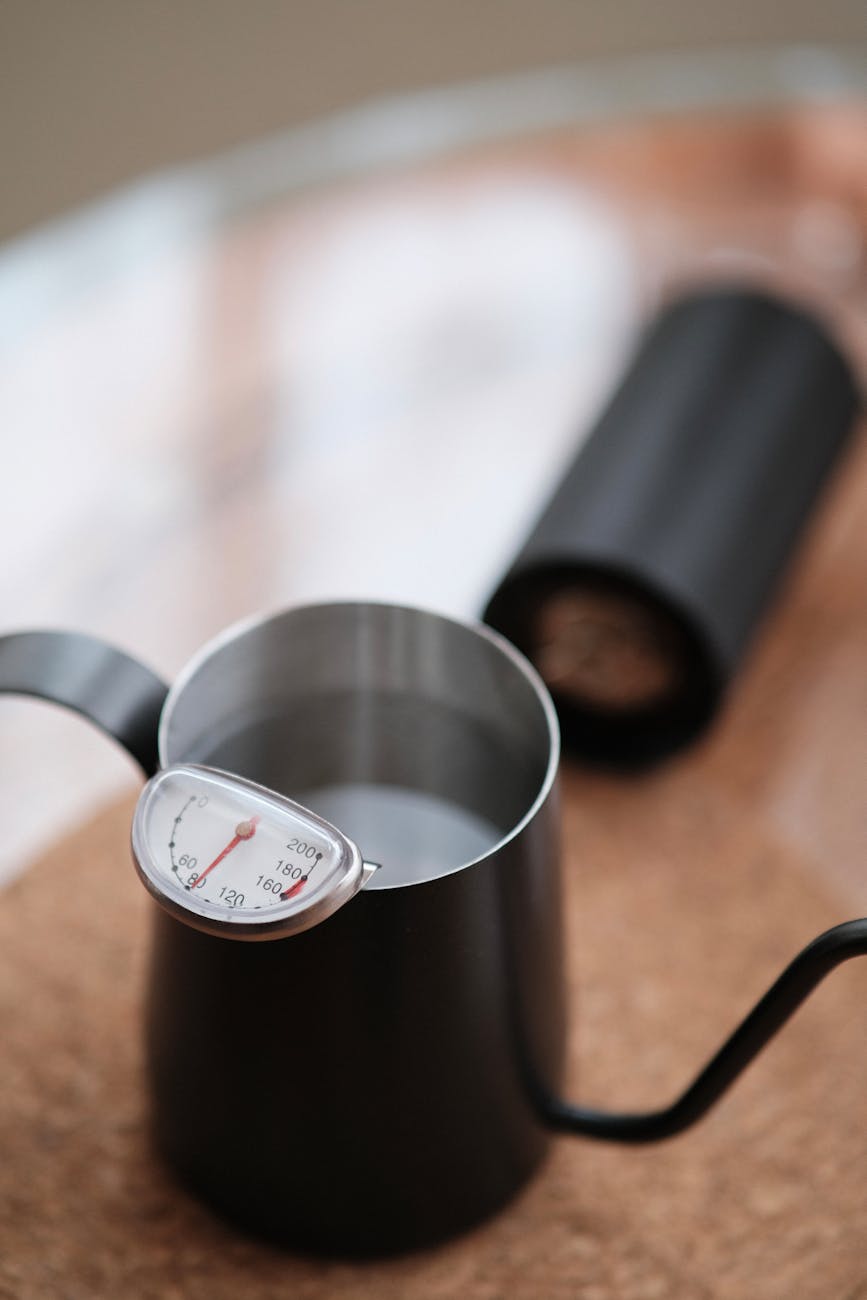
The quest for the perfect cup of coffee often leads enthusiasts down a rabbit hole of variables: bean origin, grind size, and brew method. For those who favor the bright, complex flavors of light roasts, one variable stands above all others: water temperature. Many automatic coffee makers fail in this regard, producing inconsistent temperatures that result in sour, under-extracted coffee. This is where the Technivorm Moccamaster distinguishes itself. In this article, we will explore the critical role of water temperature in brewing light roasts and explain how the Moccamaster’s unique engineering ensures the stability needed to unlock their full flavor potential. We will delve into why this machine is a worthy investment for any serious coffee lover who appreciates a nuanced and vibrant cup.
The unique challenge of light roasts
Light roast coffees are celebrated for their delicate and complex flavor profiles, often featuring bright acidity with floral, fruity, or tea-like notes. However, these same characteristics make them notoriously difficult to brew correctly. Unlike their darker counterparts, light roast beans are much denser and less porous. The roasting process is shorter, meaning the bean’s cellular structure hasn’t broken down as much. Consequently, the desirable flavor compounds are more tightly locked within the bean.
To properly extract these compounds, you need more energy. In coffee brewing, this energy primarily comes from hot water. If the water isn’t hot enough, it won’t have the power to penetrate the dense bean structure and dissolve the sugars and acids that create a balanced, sweet cup. This results in a “sour” or “grassy” taste, a clear sign of under-extraction. Many standard drip coffee machines struggle to reach and maintain the necessary heat, leaving you with a disappointing brew that fails to represent the coffee’s true potential.
Temperature’s role in coffee extraction
Coffee brewing is a science of solubility. Hot water acts as a solvent, dissolving solids from the ground coffee and creating the beverage we enjoy. The temperature of that water directly dictates which compounds are extracted and at what rate. The Specialty Coffee Association (SCA) specifies an ideal brewing temperature range of 92°C to 96°C (196°F to 205°F). This range is considered the “Golden Cup” standard because it provides the best balance of extraction.
- Below 92°C (196°F): The water lacks the energy to effectively dissolve desirable sugars and organic acids. This leads to under-extraction, where primarily the fast-extracting, sour-tasting acids are pulled from the grounds, resulting in a thin, weak, and unpleasantly acidic cup.
- Above 96°C (205°F): The water becomes too aggressive. It starts to extract bitter-tasting compounds, like tannins and other polyphenols, too quickly. This leads to over-extraction, creating a harsh, astringent, and bitter brew that masks the coffee’s delicate flavors.
For dense light roasts, hitting the upper end of this range is crucial. Stability is just as important as the peak temperature. A brewer that starts hot but cools down mid-cycle will produce an uneven extraction, a cup with both sour and bitter elements.
How the Moccamaster delivers unparalleled stability
The secret to the Moccamaster’s performance lies in its unique and powerful copper boiling element. Unlike the aluminum block heaters found in most consumer-grade coffee makers, the copper element is highly conductive and efficient. It rapidly heats small amounts of water to the precise brewing temperature and keeps it there throughout the entire brew cycle.
Here’s how it works: Cool water flows from the reservoir to the copper element, which quickly brings it to a boil. This process forces the now-hot water up a glass tube and over the coffee grounds. This cycle repeats continuously, ensuring that every drop of water hitting the coffee bed is within that critical 92°C to 96°C window. There’s no large, hot reservoir of water that gradually cools. Instead, the Moccamaster heats water on demand, providing a consistent thermal profile from the first drop to the last. This unwavering stability is what allows it to properly and evenly extract the challenging compounds from light roast coffees.
Achieving the perfect cup: Temperature and flavor
The combination of a high, stable temperature and a well-designed showerhead for even saturation allows the Moccamaster to work magic on light roasts. The consistent heat provides the necessary energy to break down the bean’s structure and extract the full spectrum of flavors. Instead of a one-dimensional sourness, you unlock the intended tasting notes: the sweetness of stone fruit, the crispness of a green apple, or the delicate aroma of jasmine.
By controlling the most critical variable, the Moccamaster provides a reliable foundation for brewing exceptional coffee. You can then focus on other factors, like grind size and coffee-to-water ratio, knowing that the machine is delivering the optimal extraction environment every single time. The table below illustrates how crucial the correct temperature is for different roast levels.
| Roast level | Ideal temperature range (°C) | Ideal temperature range (°F) | Expected flavors when brewed correctly |
|---|---|---|---|
| Light roast | 92°C – 96°C | 196°F – 205°F | Bright acidity, floral, fruity, complex |
| Medium roast | 90°C – 94°C | 194°F – 201°F | Balanced, sweet, caramel, chocolate, nutty |
| Dark roast | 88°C – 92°C | 190°F – 198°F | Low acidity, bold, roasty, smoky, dark chocolate |
For light roasts, brewing at the lower end of the ideal spectrum risks sourness, reinforcing why the Moccamaster’s ability to consistently operate at the higher end is so valuable.
In conclusion, brewing light roast coffee is a delicate dance of chemistry, and water temperature is the lead partner. The dense nature of these beans demands high and, most importantly, stable heat to unlock their complex and vibrant flavors. Standard coffee makers often fail this test, leading to sour and disappointing results. The Technivorm Moccamaster, with its unique copper boiling element, is engineered specifically to overcome this challenge. It consistently delivers water within the SCA’s Golden Cup range of 92°C to 96°C from the beginning to the end of the brew cycle. This thermal stability ensures a proper, even extraction, transforming a potentially difficult bean into a beautifully balanced and aromatic cup of coffee, just as the roaster intended.
 No products in the cart.