

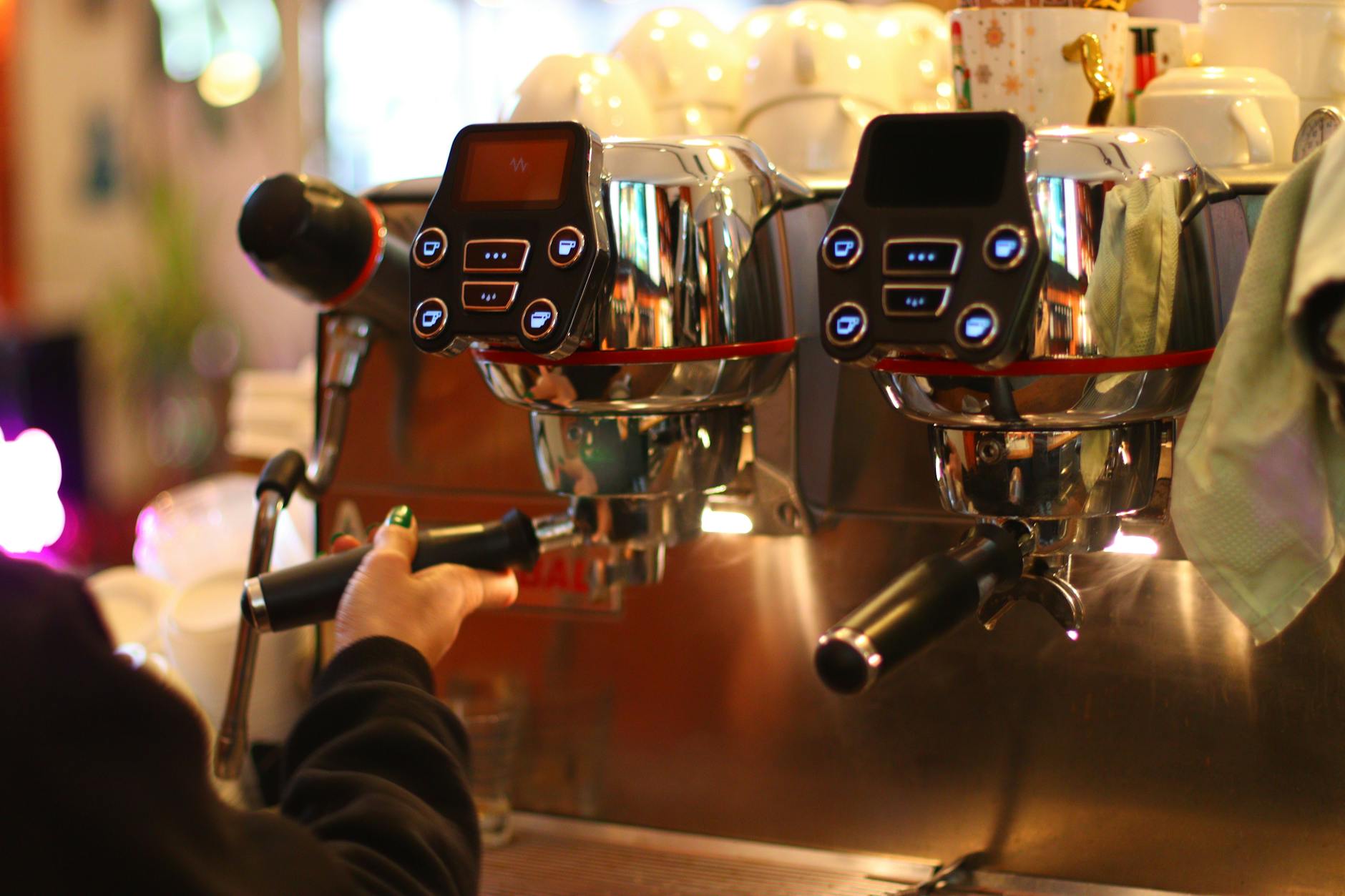
How to get richer espresso: Maximizing body and texture in your fully automatic machine
The allure of a fully automatic espresso machine is undeniable: push a button, get coffee. Yet, many owners find themselves disappointed with the result—a thin, watery shot that lacks the rich, syrupy texture of a café-quality espresso. The convenience seems to come at the cost of quality. But what if you could have both? While super-automatic systems have inherent limitations compared to semi-automatic setups, you are not powerless. By understanding and manipulating a few key variables, you can dramatically improve the body and texture of your daily espresso. This guide will walk you through the essential steps, from selecting the right beans to fine-tuning your machine’s settings, to transform your one-touch coffee into a truly satisfying experience.
The foundation: Choosing the right coffee beans
Before you touch a single button on your machine, your journey to a full-bodied espresso begins with the coffee beans. No amount of tweaking can compensate for stale, low-quality, or unsuitable beans. The coffee you choose is the single most important factor determining the potential for richness and texture in your cup.
First and foremost is freshness. Look for beans with a “roasted on” date, not a “best by” date. Coffee is at its peak within a few days to a few weeks after roasting. After that, it begins to lose the volatile oils and compounds responsible for a thick crema and a heavy body. Sourcing beans from a local roaster is often the best way to ensure maximum freshness.
Next, consider the roast level. Generally, medium to medium-dark roasts excel at producing body. The roasting process makes the beans more soluble and brings oils to the surface, which translates directly into a thicker, more viscous shot. While dark roasts can be great, be cautious of extremely dark, oily beans. They can clog the sensitive grinders in fully automatic machines. Light roasts, prized for their bright acidity, often produce a thinner, more tea-like body, making them less ideal for this specific goal.
Dialing in your machine’s core settings
Once you have the right beans, it’s time to tell your machine how to handle them. Most fully automatic machines offer a surprising amount of control over the brewing process, hidden within their menus. The three most critical settings for body and texture are the grind size, coffee dose, and water temperature.
The grind size is your most powerful tool. A finer grind increases the surface area of the coffee, creating more resistance for the water as it passes through. This slows down the extraction, allowing the water to pull more oils and soluble solids from the grounds, which directly builds body. Most machines arrive set to a coarse default. Adjust your grinder to a finer setting, one step at a time, while the grinder is running. If the shot starts to taste overly bitter or the machine struggles to dispense coffee, you’ve gone too fine. The goal is to find the finest setting possible that still allows for a steady flow.
The coffee dose, often labeled as “strength” or indicated by bean icons, controls how much ground coffee is used for each shot. A higher dose means more coffee packed into the brew unit, which provides more material to extract from. For a richer, more concentrated shot, always use the highest strength setting your machine offers. This simple change can make a significant difference in the final taste and mouthfeel.
Mastering the brew volume and ratio
This chapter connects the previous concepts to the final output in your cup. You’ve chosen good beans and optimized how the machine grinds and doses them. Now, you must control how much water is used to extract them. This is managed through the programmable volume setting, and it is where many users inadvertently sabotage their espresso’s body.
A traditional espresso follows a brew ratio of roughly 1:2, meaning for every 1 gram of coffee grounds, you get 2 grams of liquid espresso. Fully automatic machines often default to a much longer, more diluted ratio, like 1:4 or 1:5, to fill a larger cup. This excess water thins out the shot, destroying its body and texture. Your mission is to reprogram this volume.
Instead of using the default “espresso” setting, manually program the shot volume to be much shorter. Aim for a ristretto or a normale shot size, typically between 25-40ml (about 1-1.5 ounces). This concentrates the extracted solids and oils into a smaller amount of liquid, creating a syrupy, intense, and full-bodied shot. This single adjustment will likely provide the most dramatic improvement you see.
| Setting | Common Default | Optimized for Body |
|---|---|---|
| Grind Size | Medium to Coarse | Fine (as fine as possible without choking) |
| Coffee Strength/Dose | Medium (e.g., 3/5 beans) | Highest Setting (e.g., 5/5 beans) |
| Shot Volume | Large (60ml / 2oz or more) | Short (25-40ml / 1-1.5oz) |
| Water Temperature | Medium | Medium-High to High |
The often-overlooked factors: Water and maintenance
Finally, achieving consistently rich espresso isn’t just about settings; it’s about providing your machine with the right ingredients and keeping it in optimal condition. The quality of your water and the cleanliness of your machine are crucial for performance.
Water makes up over 98% of your espresso. If your water is extremely hard, it can lead to scale buildup inside the machine, which impairs heating element efficiency and water flow, resulting in poor extraction. Conversely, using distilled or overly soft water can lead to a flat, under-extracted taste. The ideal solution is to use a dedicated water filter, either in your machine’s tank or from a pitcher, to provide clean, lightly mineralized water. This protects your machine and ensures a clean taste profile.
Regular maintenance is non-negotiable. A dirty brew group, a clogged coffee spout, or rancid oils built up in the system will ruin the flavor and texture of your espresso. Follow your machine’s manual for regular cleaning cycles using cleaning tablets to dissolve coffee oils. Descale the machine whenever prompted to ensure the water path is clear and the temperature is stable. A clean machine is a happy machine, and it is fundamental to producing a delicious, full-bodied shot every single time.
Ultimately, transforming your fully automatic espresso from a thin, disappointing drink into a rich and syrupy shot is an achievable goal. It requires a holistic approach that begins long before you press the brew button. By starting with fresh, medium-to-dark roast beans, you lay the best possible foundation. From there, you must take control of your machine, dialing in a finer grind, maximizing the coffee dose, and, most critically, shortening the brew volume to concentrate the shot. Finally, supporting these efforts with good quality water and a rigorous cleaning schedule ensures consistency and longevity. While a super-automatic may never replicate the nuanced control of a manual setup, these intentional adjustments empower you to unlock its full potential and enjoy a truly satisfying espresso.

 No products in the cart.