

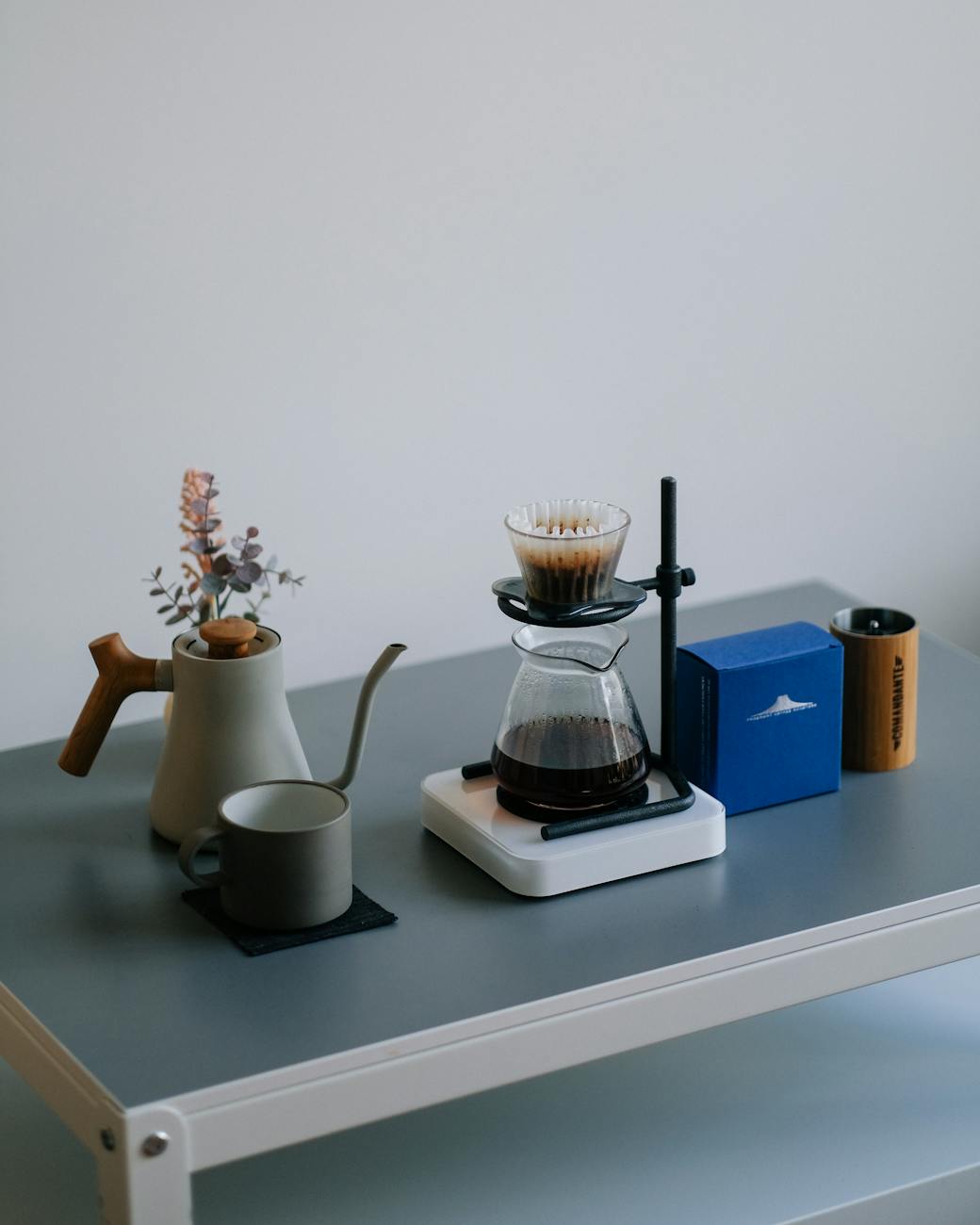
The ritual of crafting the perfect espresso at home is a source of daily joy for many coffee enthusiasts. We invest in quality beans, precise grinders, and gleaming espresso machines to chase that perfect shot. Yet, a simple, common ingredient can undermine our efforts: sugar. While it sweetens our lattes and cappuccinos, it can also introduce a sticky, unhygienic mess that attracts pests, taints flavors, and can even damage our prized equipment. This article will serve as your comprehensive guide to managing sugar hygiene in your home espresso station. We will explore everything from smart storage solutions and workflow design to essential cleaning routines, ensuring your coffee corner remains a pristine sanctuary for brewing excellence, not a sticky battleground.
Choosing your sweetener and storage wisely
The first step in controlling sugar-related mess begins before you even pull a shot. The type of sweetener you use and how you store it has a significant impact on your station’s cleanliness. Granulated sugar, for instance, is notorious for its ability to scatter tiny, sticky crystals everywhere. A misplaced scoop or a shaky hand can leave a gritty film on your countertop that seems to multiply.
Consider these alternatives and storage solutions:
- Sugar cubes: These are a fantastic, low-mess option. They are pre-portioned, easy to handle, and eliminate the risk of spills. Storing them in a simple, lidded jar keeps them fresh and contained.
- Syrups: Flavored syrups are popular, but they pose a high risk for sticky drips. The key is in the dispenser. Invest in a quality pump that doesn’t leak after use. Placing the syrup bottle on a small, dedicated coaster or tray will catch any inevitable drips, preventing them from creating a sticky ring on your counter.
- Smart granulated storage: If you prefer loose sugar, ditch the paper bag. A dedicated sugar dispenser with a controlled-pour spout or an airtight container with its own designated, dry spoon can drastically reduce spills. Never use a wet spoon, as it will cause the sugar to clump and can introduce bacteria.
By making a conscious choice about your sweetener and its container, you are proactively minimizing the potential for mess and creating a more organized, hygienic foundation for your coffee ritual.
Designing a clean and efficient workflow
A well-organized station is a clean station. How you arrange your tools and move through the steps of making your coffee can either contain the mess or spread it. The concept of “zoning” is incredibly effective. Designate specific areas of your coffee bar for different tasks. Create a dry zone for your grinder, scales, and tamping equipment. This area should remain free of any moisture or stickiness. Then, establish a separate wet and sweet zone where you pull your shot, steam milk, and add sugar or syrups.
This separation prevents stray sugar granules from getting into your grinder or portafilter, which is crucial for both taste and equipment health. Your order of operations also matters. Try adding sugar or syrup to your cup before you pull the espresso shot. This simple change means you are handling sweeteners when the cup is empty and stable, reducing the risk of splashing hot coffee onto your sugar container or spoon. Keep a dedicated, small microfiber cloth in your sweet zone specifically for wiping up minor sugar spills or syrup drips the moment they happen. An immediate wipe-down is far easier than scrubbing hardened sugar later.
The non-negotiable cleaning routine
Even with the best workflow, some mess is inevitable. A consistent cleaning routine is the only way to keep sugar from taking over your station and attracting unwanted guests like ants. Your cleaning schedule should be divided into daily habits and weekly resets. Ignoring this step not only looks untidy but can also affect the flavor of your coffee, as old, stale sugar residue can impart off-flavors.
A disciplined approach is key. At the end of each day, or after your last coffee, perform a quick wipe-down. Use a damp cloth to clean the counter, the machine’s drip tray, and the base of your sugar and syrup containers. This takes less than a minute but prevents the accumulation of a sticky film. Once a week, perform a deeper clean. Empty and wash your sugar containers to remove any old residue. If you use a syrup pump, disassemble the nozzle and soak it in hot water to dissolve any crusty, caramelized sugar that could be harboring bacteria or causing clogs. This is also a good time to thoroughly clean your dedicated sugar spoons and drip coasters.
Protecting your equipment from sugar damage
Beyond being a nuisance, sugar can cause real, expensive damage to your espresso machine. This is a critical point that many home baristas overlook. Sugar is crystalline and abrasive. If stray granules get on the surface of your machine, wiping them away can cause micro-scratches on polished chrome or stainless steel finishes over time.
The most significant danger, however, lies inside the machine. Under no circumstances should you ever put sugar in your portafilter with the coffee grounds. Some might think this will dissolve it better, but it’s a recipe for disaster. When the hot, pressurized water hits the sugar, it can partially dissolve and be pulled back into the machine’s internal workings during the brewing process, particularly into the three-way solenoid valve. This sugary water can then cool and harden, clogging the valve and preventing the machine from properly releasing pressure. This is a costly repair that is entirely avoidable. Keep sugar far away from your group head and portafilter at all times.
| Frequency | Task | Reason |
|---|---|---|
| Daily | Wipe down countertops, drip tray, and container bases. | Prevents sticky buildup and deters pests. |
| Weekly | Wash sugar containers and any dedicated spoons. | Removes old residue and ensures freshness. |
| Weekly | Soak and clean syrup pump nozzles. | Prevents clogs and bacterial growth. |
| Always | Wipe up spills immediately. | Stops sugar from hardening and becoming difficult to clean. |
| Never | Put sugar in the portafilter or group head. | Prevents catastrophic damage to internal components. |
In conclusion, managing sugar hygiene is not a tedious chore but an essential part of the home barista craft. It reflects a respect for the process, the ingredients, and the equipment. By thoughtfully selecting your sweeteners and storage, designing an intelligent workflow with distinct zones, and committing to a consistent daily and weekly cleaning routine, you transform your station from a potential mess into a pristine and efficient workspace. Most importantly, understanding how to protect your espresso machine from sugar-related damage ensures its longevity and performance. These practices will not only result in a cleaner kitchen but also a more enjoyable coffee-making experience and, ultimately, a better-tasting cup every single time.

 No products in the cart.