

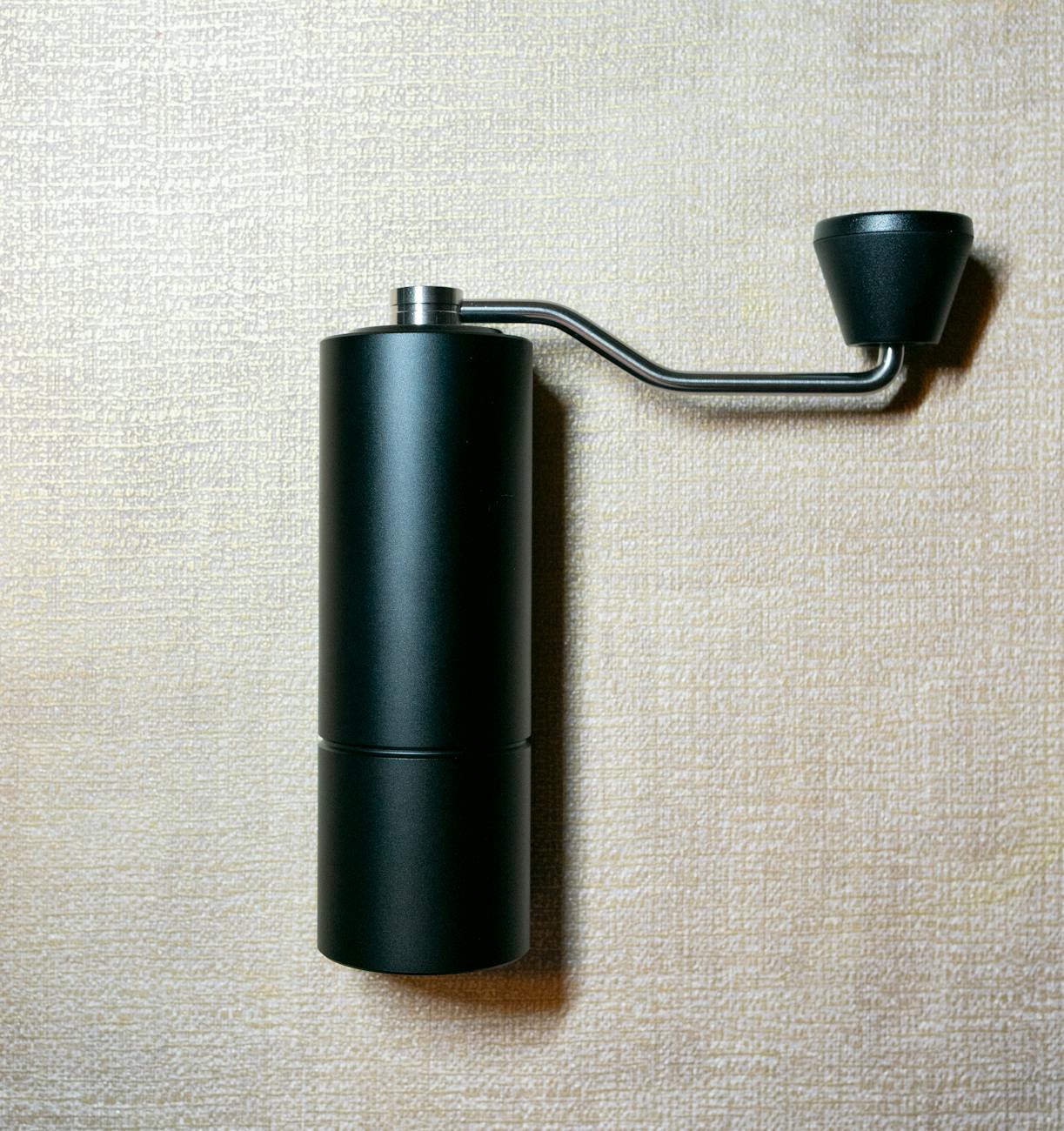
Welcome to the world of precision coffee grinding, where every detail matters. For home baristas and coffee enthusiasts, one of the most frustrating, yet common, challenges is static electricity. That messy explosion of coffee grounds that clings to your grinder, counter, and portafilter is more than just an annoyance—it leads to coffee waste and inaccurate dosing. The most popular solution is the Ross Droplet Technique (RDT), a deceptively simple trick involving a tiny amount of water. However, RDT is not a one-size-fits-all solution. The effectiveness and required application of this technique vary significantly based on the type of coffee bean you’re using. This article will explore the science behind coffee static and guide you on how to expertly manage it by tailoring your RDT approach for different bean types.
Understanding the science behind coffee static
Before we can manage static, it’s crucial to understand why it happens. Static electricity is generated through the triboelectric effect, which occurs when two materials come into contact and then separate, resulting in an exchange of electrons. In coffee grinding, this happens constantly as beans are fractured and rub against each other and the grinder burrs. The friction strips electrons away, creating a static charge that causes the lightweight grounds and chaff to repel each other and cling to any available surface.
Several factors amplify this effect:
- Low humidity: Dry air is a poor electrical conductor, allowing static charge to build up without a path to dissipate. This is why static is often much worse in the winter or in arid climates.
- Bean characteristics: Drier, denser, and less oily beans—hallmarks of many light roasts—are more prone to generating static.
- Grinder mechanics: The speed, material, and design of your grinder’s burrs can also influence the amount of static produced.
This static buildup is problematic because it leads to grinder retention, where grounds are held back inside the grinder, affecting dose consistency. It also creates a significant mess, complicating your workflow and wasting precious coffee. This is precisely the problem that RDT was designed to solve.
The Ross Droplet Technique (RDT) explained
The Ross Droplet Technique, or RDT, is a simple yet brilliant method for eliminating static during coffee grinding. The process involves adding a minuscule amount of water to your whole beans just before grinding. You can do this by lightly spritzing the beans with a small spray bottle or by dipping the handle of a spoon in water and stirring it through your dose of beans. The key word here is minuscule; you are aiming to slightly dampen the surface of the beans, not make them wet.
But how does this work? Water is a conductor. By introducing a tiny amount of moisture, you create a conductive path on the surface of the coffee beans. As static charge builds during grinding, this moisture allows the charge to safely travel through the beans and ground itself via the metal components of your grinder, neutralizing it before it can cause the grounds to fly everywhere. The result is a clean, fluffy, and static-free pile of coffee grounds that falls neatly into your portafilter or catch cup. This dramatically reduces mess and, more importantly, minimizes grinder retention, ensuring the weight of the beans you put in is the same as the grounds you get out.
Tailoring RDT for different roast levels
While the principle of RDT is simple, its application must be nuanced. The physical properties of coffee beans change dramatically with the roast level, which directly impacts how much static they generate and how they react to moisture. Applying the same RDT method to every bean can lead to suboptimal results.
Light roasts: These beans are very dense, have a dry, non-oily surface, and retain less internal moisture. During grinding, their hardness creates significant friction, making them notorious static producers. For light roasts, a slightly more generous RDT application is often necessary. One to two spritzes from a fine mist spray bottle, followed by a good shake to distribute the moisture, works best. The non-porous surface of the bean keeps the water right where it’s needed to dissipate the charge.
Medium roasts: Representing a middle ground, these beans are less dense than light roasts and may have a slight sheen of oil on their surface. They generate a moderate amount of static. For medium roasts, a standard RDT application—a single spritz or a quick stir with a wet spoon handle—is typically sufficient to eliminate static without introducing excess moisture.
Dark roasts: These beans are porous, brittle, and visibly oily. The oils on the surface are naturally conductive and help to dissipate static charge on their own. Therefore, dark roasts produce significantly less static. RDT should be used with extreme caution here, if at all. Adding water to oily beans can create a sludgy paste that gums up your grinder burrs, leading to serious cleaning and performance issues. If you experience static with a dark roast, use the most minimal amount of water possible.
Beyond the roast: A summary of key variables
Roast level is the primary indicator, but other factors also influence your RDT strategy. Bean density, processing method, and especially your environment play critical roles in static management. High-altitude beans from origins like Ethiopia or Kenya are exceptionally dense and will behave like light roasts, often requiring more RDT. Conversely, a very humid day may negate the need for RDT entirely, as the moisture in the air is already helping dissipate the static charge.
To simplify the process, here is a table to guide your RDT application:
| Bean characteristic | Static potential | Recommended RDT level | Notes |
|---|---|---|---|
| Light roast | High | 1-2 spritzes | Denser beans create more friction. Be consistent with application. |
| Medium roast | Moderate | 1 spritz | This is the sweet spot; a standard application is usually effective. |
| Dark roast | Low | Minimal to none | Oils are naturally anti-static. Too much water can create a paste. |
| High-altitude/Dense | High | 1-2 spritzes | Behaves similarly to a light roast, regardless of color. |
| Low humidity day | Very high | Increase RDT slightly | Dry air is a major contributor to static buildup. |
| High humidity day | Very low | Decrease or skip RDT | Moisture in the air naturally dissipates the charge. |
Ultimately, RDT is a technique that rewards observation and adjustment. Start with less water than you think you need and only add more if static persists. This adaptive approach ensures a clean, efficient, and consistent coffee grinding experience every time.
In conclusion, static in coffee grinding is a solvable problem. The Ross Droplet Technique offers a powerful and elegant solution, transforming a messy, wasteful process into a clean and precise one. However, mastery of RDT lies not in just applying water, but in understanding how much to apply based on your specific coffee beans and environment. As we’ve explored, light roasts require a more confident approach to combat their high static potential, while oily dark roasts demand caution to avoid gumming up your grinder. By considering the bean’s roast level, density, and the ambient humidity, you can dial in your RDT method perfectly. This attention to detail elevates your entire coffee ritual, ensuring consistency, reducing waste, and making your workflow a joy rather than a chore.



 No products in the cart.