

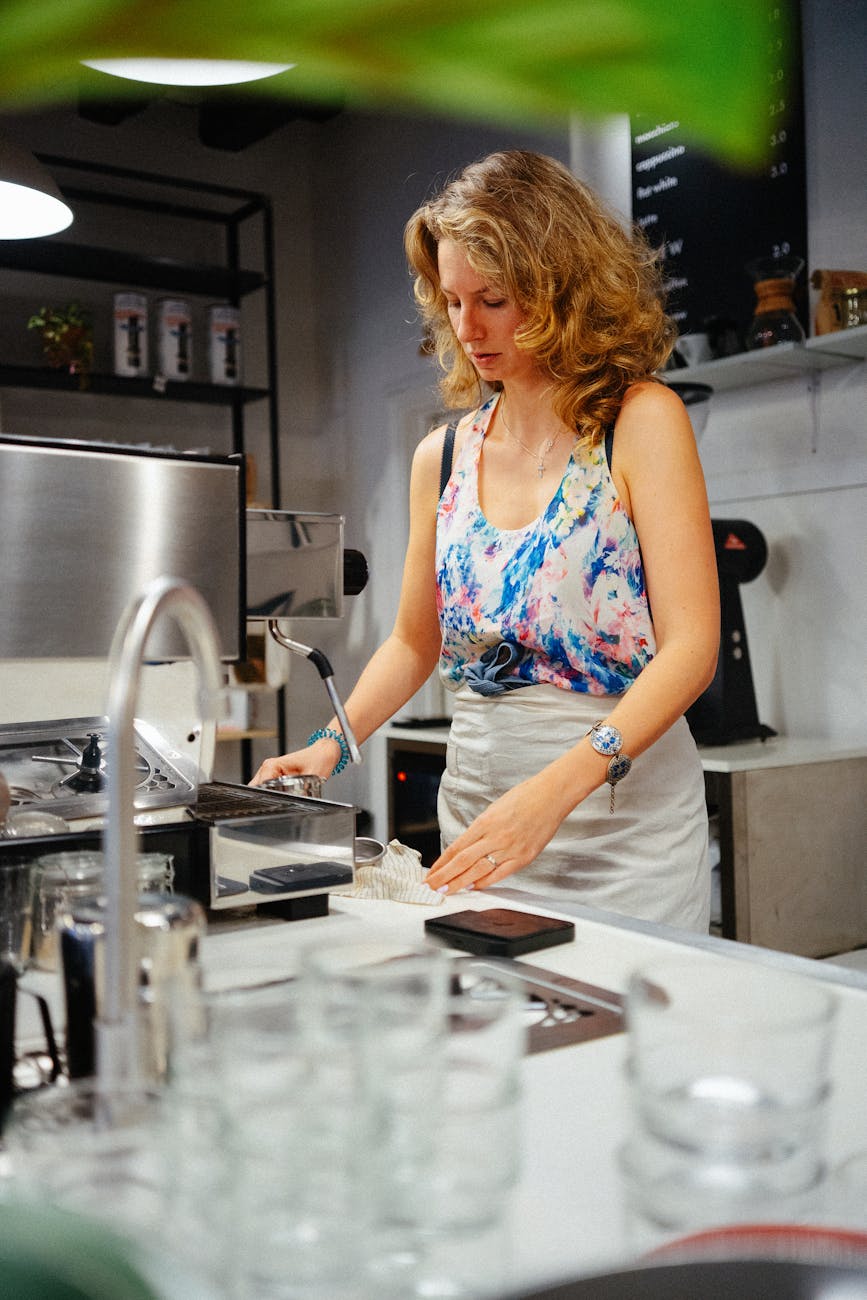
For any barista, whether at home or in a busy cafe, the pursuit of consistency is the ultimate goal. You’ve dialed in your grinder, perfected your puck prep, and can steam milk to a glossy, microfoam finish. Yet, you find your lattes and cappuccinos taste different from one to the next. The first drink is perfect, but the second is slightly sour, and the third is a touch bitter. The culprit is often an overlooked variable: the temperature of your portafilter. This humble piece of metal acts as a significant heat sink or source, drastically influencing the brew water temperature as it hits the coffee grounds. This article will explore why managing your portafilter’s temperature is crucial for achieving delicious, repeatable milk drinks, especially when making them back-to-back.
Why portafilter temperature is a silent shot killer
Espresso extraction is a delicate dance of temperature, pressure, and time. Your machine works hard to deliver water at a precise temperature, typically between 90-96°C (195-205°F), to the group head. However, the moment that water leaves the shower screen, it hits the metal mass of your portafilter basket and body. If the portafilter is too cold, it can sap a significant amount of heat from the brew water. A drop of just a few degrees can be the difference between a balanced extraction and a sour, underdeveloped shot. This sourness, caused by the under-extraction of acids, will cut through even the sweetest steamed milk, resulting in a disappointing drink.
Conversely, a portafilter that is too hot can scorch the surface of the coffee puck upon contact. This, combined with brew water that is already at the higher end of the spectrum, leads to over-extraction. The resulting shot will be bitter and astringent, with harsh flavors that milk cannot hide. The goal is thermal equilibrium. You want the portafilter to be at a stable, consistent temperature that matches your machine’s group head, ensuring the water temperature you set is the temperature your coffee experiences. This stability is the foundation upon which consistent, delicious espresso is built.
The challenge of the back-to-back workflow
The problem of temperature instability is magnified when you are making multiple drinks in a row. A typical workflow for a single milk drink creates a natural rhythm. But when a second order comes in, that rhythm is disrupted, and the portafilter’s temperature begins to swing wildly. Consider this common scenario: you pull a shot, knock out the puck, and then place the portafilter on the counter while you steam milk for the first drink. During these 30-60 seconds, the portafilter is rapidly losing heat to the surrounding air. When you prepare your next puck and lock it back into the hot group head, you have a cold portafilter meeting hot water, leading directly to that dreaded under-extracted, sour shot.
The opposite can also occur. Some baristas leave the empty portafilter locked into the group head while they steam milk. While this seems like a good way to keep it hot, many machines, especially those with E61 group heads, continuously circulate hot water. This can cause the portafilter to become superheated, climbing to a temperature far above the ideal brewing range. Locking a puck of fresh grounds into this scorching hot portafilter will bake the coffee before the shot even begins, guaranteeing a bitter, over-extracted result. The key is not just keeping it hot, but keeping it at the right, consistent temperature for every single shot.
Developing a workflow for thermal stability
Mastering portafilter temperature is less about fancy gadgets and more about disciplined, repeatable technique. The goal is to create a workflow loop where the portafilter returns to the same baseline temperature before every single shot. Here’s a practical approach:
- Always start hot. Before your first shot of the day, lock the portafilter into the group head and let it heat up with the machine for at least 20-30 minutes. Pull a flush of water through it to ensure it’s at thermal equilibrium.
- Create a “rinse and return” habit. Immediately after pulling a shot and knocking out the puck, rinse the portafilter head with a quick blast of hot water from the group head. This cleans the basket and, crucially, helps stabilize its temperature. After rinsing, immediately lock the portafilter back into the empty group head.
- Work around the portafilter. With the clean portafilter now resting in its hot “home,” you are free to steam your milk and finish the first drink. The group head will keep it at the perfect idle temperature, preventing both significant cooling and superheating. When you are ready for the next shot, the portafilter is waiting at the ideal starting point.
- Flush before you dose. Just before you remove the portafilter to dose your next shot, run a short flush of water from the group head. This purges any overly hot water and helps normalize the temperature of the group itself, adding another layer of consistency.
This rhythm—pull, knock, rinse, return, steam, flush, dose, pull—ensures that the conditions for every shot are as close to identical as possible.
Workflow comparison for temperature management
Visualizing the difference between an inconsistent and a consistent workflow can make the concept clearer. The key is minimizing the time the portafilter spends outside of the group head and ensuring its temperature is intentionally managed, not left to chance.
| Action | Inconsistent Workflow (Problem) | Consistent Workflow (Solution) |
|---|---|---|
| After Shot 1 | Knock out puck, leave portafilter on the counter or drip tray while steaming milk. | Knock out puck, rinse with group head water, and immediately re-lock portafilter into the group head. |
| Result | Portafilter temperature drops significantly, leading to under-extraction on the next shot. | Portafilter temperature is maintained at a stable, ready state by the group head. |
| Before Dosing Shot 2 | Grab the now-cool portafilter, wipe it, and dose. No group head flush. | Perform a short water flush from the group head to stabilize its temp, then remove the hot portafilter to dose. |
| Shot 2 Outcome | Inconsistent. Likely sour and weak due to the temperature drop from the cold portafilter. | Consistent. Extraction profile is nearly identical to Shot 1, as thermal variables were controlled. |
Ultimately, a consistent workflow is your greatest tool for managing espresso variables. By treating the portafilter as an active component of the brewing system and not just a coffee holder, you eliminate a massive source of inconsistency. Whether you are making two lattes for breakfast or twenty during a morning rush, this disciplined approach ensures the quality of your espresso base remains high. It transforms the frustrating chase for a good shot into a repeatable process, allowing the quality of your coffee beans and the silkiness of your steamed milk to truly shine through in every single cup. This focus on thermal stability is what separates good baristas from great ones, turning coffee making from a guessing game into a craft.

 No products in the cart.