

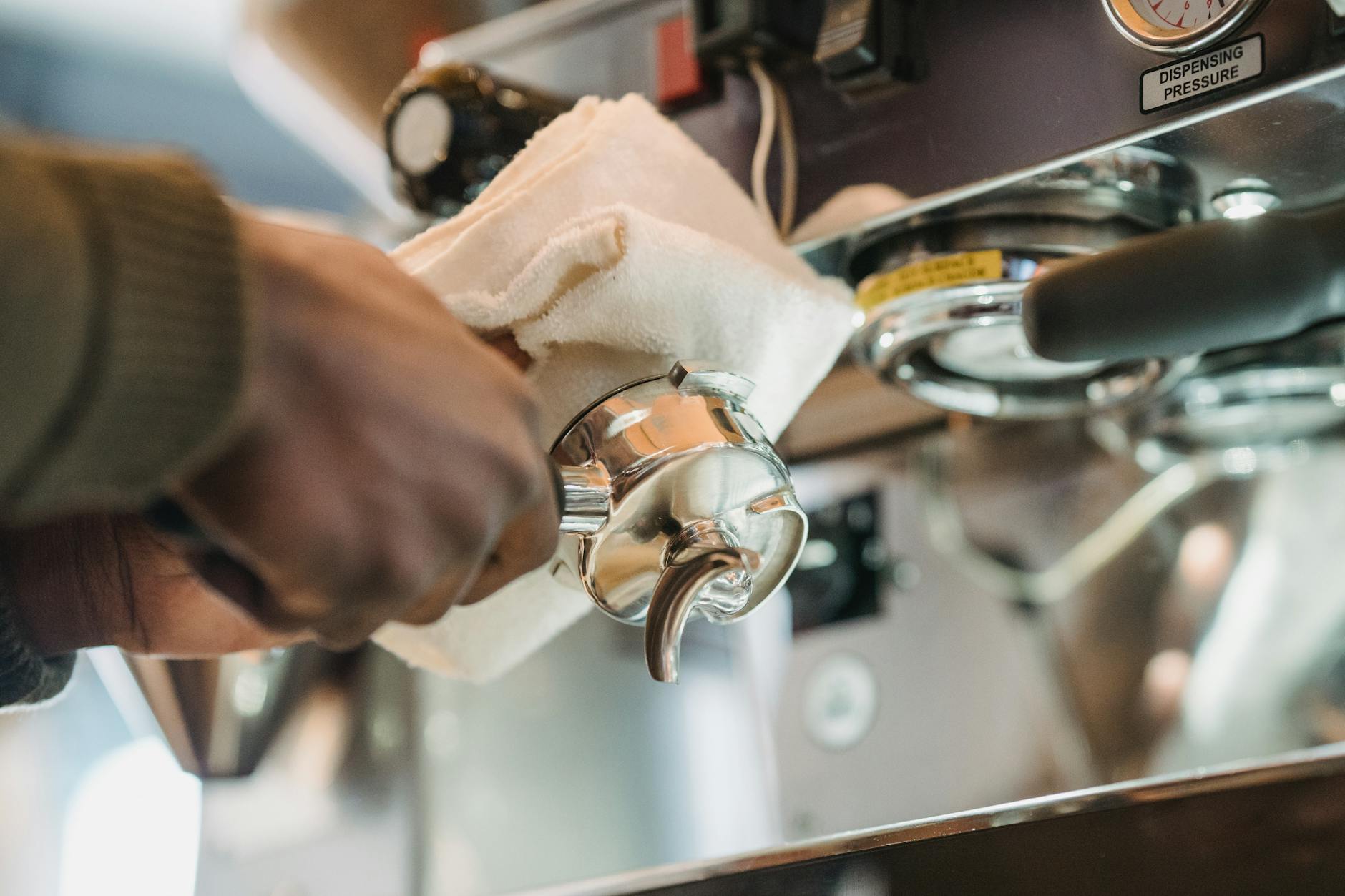
A complete maintenance guide for E61 group head gaskets and screens
The legendary E61 group head is more than just a piece of chrome on an espresso machine; it’s a hallmark of quality, thermal stability, and superior espresso extraction. For decades, it has been the heart of many prosumer and commercial machines. However, to keep it performing at its peak, regular maintenance is not just recommended, it’s essential. The two components that see the most wear and have the biggest impact on your daily brew are the group head gasket and the shower screen. Neglecting them can lead to leaks, inconsistent shots, and off-flavors. This guide provides a comprehensive walkthrough of why, when, and how to maintain these crucial parts, ensuring every espresso you pull is as delicious as the last.
Understanding the key components
Before diving into the maintenance process, it’s important to understand what these parts are and what they do. The E61 group head is an intricate system, but for routine upkeep, our focus is on two user-serviceable parts: the gasket and the screen.
The group gasket, a thick rubber or silicone ring, sits inside the group head. Its single, crucial job is to create a high-pressure seal between the metal rim of your portafilter basket and the group head itself. When you lock the portafilter in, the gasket compresses, preventing hot water from leaking out the sides during an extraction. Without a perfect seal, you lose pressure, and your extraction will be compromised.
Just below the gasket is the shower screen. This is a perforated metal disc that serves two functions. First, it disperses the pressurized water from the machine evenly across the surface of the coffee puck. Second, it prevents coffee grounds from being sucked back into the machine’s internal mechanics at the end of a shot. An even water distribution is the foundation of a balanced extraction, making the screen’s condition directly responsible for the quality of your espresso.
Why regular maintenance is non-negotiable
Skipping maintenance on your gasket and screen is a fast track to disappointing espresso. Over time, these components degrade and accumulate residue, leading to a host of problems that no amount of expensive coffee beans can fix. The constant exposure to heat and pressure causes the group gasket to become hard, brittle, and cracked. An old, hardened gasket can no longer create an effective seal.
The first sign of a failing gasket is usually water leaking over the side of the portafilter during a shot. This not only makes a mess but also means the water isn’t being forced through the coffee at the correct pressure, resulting in a weak, under-extracted shot. Furthermore, old coffee oils get baked onto the gasket, becoming rancid and imparting bitter, unpleasant flavors into every cup.
The shower screen faces a similar fate. It becomes clogged with microscopic coffee fines and sticky oils. A clogged screen disrupts the even flow of water, causing it to jet out in some places and barely drip in others. This leads to channeling, where water punches holes through the coffee puck, over-extracting those channels while leaving other parts of the puck dry and under-extracted. The result is a cup that tastes simultaneously sour and bitter.
Step-by-step guide to cleaning and replacement
Proper maintenance can be broken down into two routines: frequent cleaning and periodic replacement. Following this schedule will keep your E61 group head in pristine condition.
Routine cleaning
This should be a regular part of your coffee-making ritual.
- Daily: After your last shot of the day, perform a simple water backflush. Insert a blind basket (a basket with no holes) into your portafilter, lock it in, and run the pump for 10 seconds. Release the pressure. Repeat this 3-4 times. This flushes out fresh coffee grounds from the group head and pressure release valve.
- Weekly: Perform a chemical backflush using an espresso machine cleaner like Cafiza. Follow the product’s instructions, but the process is similar to a water backflush, involving cycles of soaking and rinsing. Afterward, use a group head brush to scrub the gasket and screen to dislodge any stubborn coffee grounds.
Deep cleaning and replacement (every 6-12 months)
No amount of cleaning can stop the gasket from eventually hardening. Replacement is necessary when you notice leaks or when the portafilter handle has to be turned far past the 6 o’clock position to get a seal. For this, you will need a new gasket, a new shower screen (optional, but recommended), a flathead screwdriver or gasket pick, and a group head brush.
- Remove the old parts: First, use the screwdriver to carefully pry off the shower screen. It’s held in place by the gasket. Once it’s off, you can access the gasket. If it’s old and hard, it will be difficult to remove. Use a pick or, as a last resort, carefully screw a small wood screw into the rubber to give you something to pull on. Be careful not to scratch the metal group head.
- Clean the group head: With the old parts removed, you will see a build-up of old coffee residue in the groove where the gasket sits. Use your group head brush and a damp cloth to thoroughly clean this area until it is completely free of debris.
- Install the new parts: Take your new gasket and press it firmly into the clean groove. Most gaskets have a slanted side and a flat side with writing; the flat, written side should face down. Once the gasket is in place, press the new shower screen up into the gasket. It should fit snugly.
- Set the new gasket: Lock your empty portafilter into the group head. It will be very tight and likely won’t turn as far as it used to—this is normal. Lock and unlock it a few times to help seat the gasket. Run the pump for about 30 seconds to let hot water further soften and settle the new parts. You are now ready to pull shots again.
Choosing the right parts and troubleshooting
Not all gaskets and screens are created equal. Making the right choice can improve your experience and your espresso. When selecting a new gasket, you’ll encounter two main variables: material and thickness.
- Material: Standard gaskets are made of black rubber, which is inexpensive and effective. However, many users now prefer silicone gaskets. Silicone lasts longer, does not harden as severely as rubber, and does not impart any flavor. It’s also much easier to remove when it’s time for a replacement.
- Thickness: E61 gaskets typically come in 8mm and 8.5mm thicknesses. The thickness determines where your portafilter handle will lock in. A new 8mm gasket should lock in around the 7 o’clock position. If your group head is worn from years of use, an 8.5mm gasket can help create a tighter seal, bringing the lock-in point back to an ideal position.
For shower screens, you can stick with the standard manufacturer screen or upgrade to a “precision” screen from brands like IMS or VST. These screens feature more numerous and precisely machined holes, designed to provide a more uniform and gentle shower of water over the coffee puck, potentially reducing channeling and improving extraction consistency.
Common problems and solutions
| Problem | Likely cause | Solution |
|---|---|---|
| Water leaks from around the portafilter during extraction. | The group gasket is old, hard, or not seated correctly. | Replace the group gasket. Ensure the portafilter basket rim is clean before inserting. |
| The portafilter handle locks in too far (at 5 o’clock or further). | The group gasket is compressed and worn out. | Replace the gasket. Consider using a slightly thicker one (e.g., 8.5mm instead of 8mm). |
| The portafilter is very difficult to lock in. | The gasket is brand new, or you have dosed too much coffee in the basket. | This is normal for a new gasket and will ease with use. If the problem persists, check your coffee dose. |
| Water sprays unevenly from the group head (channeling). | The shower screen is dirty and clogged. | Remove the shower screen and soak it in espresso machine cleaner. Scrub it clean or replace it if necessary. |
Conclusion
Maintaining your E61 group head gasket and shower screen is one of the most effective and affordable ways to ensure the quality and consistency of your espresso. It’s a simple process that has a profound impact. A clean, well-sealed group head provides the foundation for a perfect extraction, allowing the true flavors of your coffee to shine through without the taints of rancid oils or the flaws of uneven water flow. By integrating daily backflushing, weekly chemical cleans, and a semi-annual replacement of the gasket into your routine, you are not just cleaning your machine; you are preserving its performance and extending its life. This small investment of time is a non-negotiable for any barista who is serious about their craft.


 No products in the cart.