

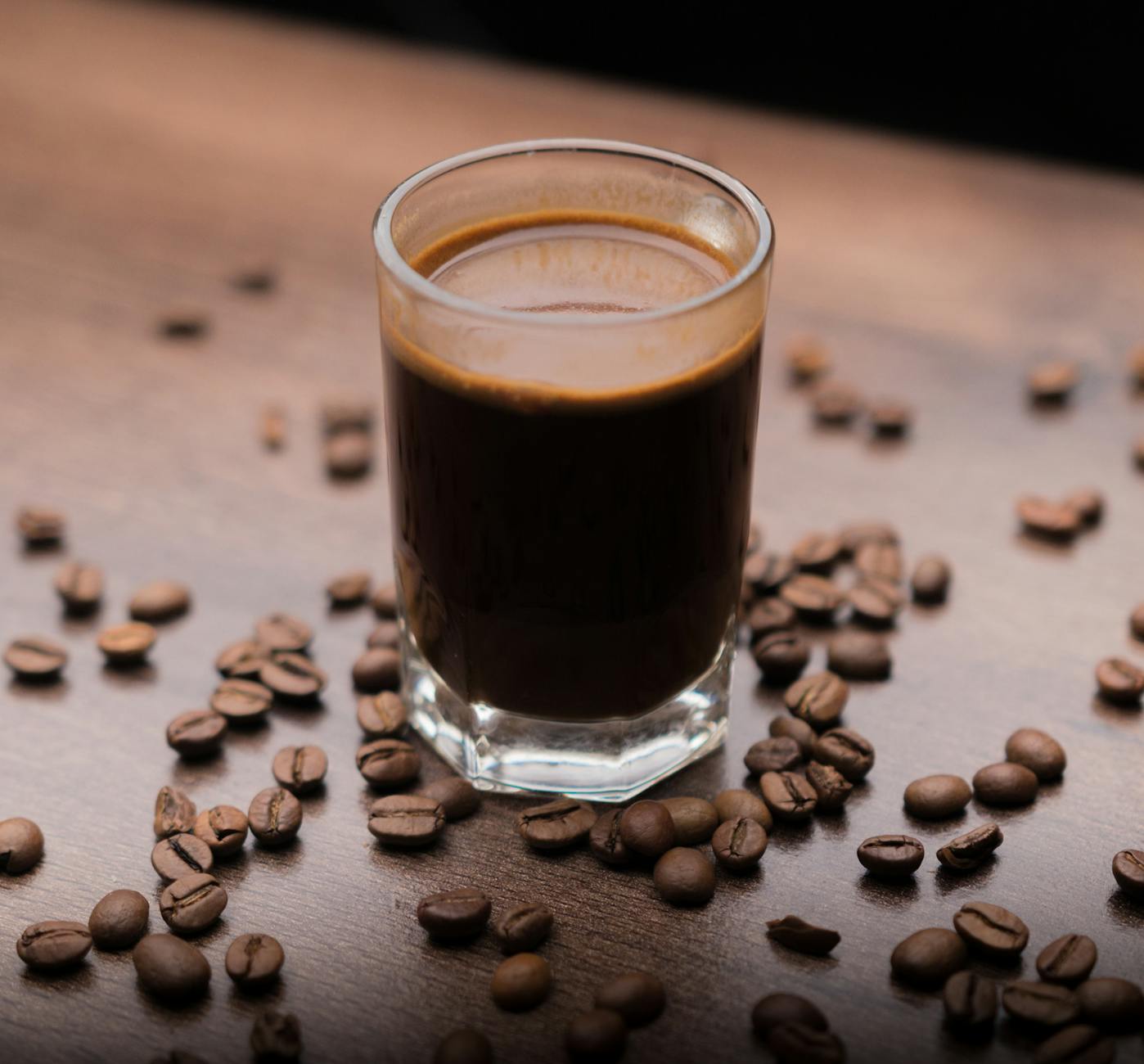
From thin to rich: How to improve mouthfeel and body in CBTL espresso shots
There’s a distinct difference between a good espresso and a truly great one. Often, that difference lies in the sensory experience of mouthfeel and body. A thin, watery shot can taste hollow and unsatisfying, even if the flavor notes are present. In contrast, an espresso with a rich, velvety body coats the palate, delivering a luxurious and memorable experience. For fans and baristas of The Coffee Bean & Tea Leaf, achieving this quality is key to showcasing the best of their signature espresso blend. This guide will delve into the practical techniques and core principles needed to transform your CBTL espresso shots, moving from simply acceptable to exceptionally full-bodied, by mastering the bean, the grind, the recipe, and your preparation technique.
Understanding the foundation: CBTL’s signature espresso blend
Before you can improve your shot, you must first understand your raw material. CBTL’s signature espresso blend is typically a medium to dark roast, a style that prioritizes depth, lower acidity, and a heavier body. This roast profile caramelizes the sugars within the beans more deeply and brings the natural oils to the surface. These oils are fundamental to creating the viscosity and creamy texture we associate with a full-bodied espresso. A darker roast is also more porous and soluble than a lighter one, meaning it extracts more easily.
This high solubility is a double-edged sword. On one hand, it makes achieving a heavy body easier. On the other, it increases the risk of over-extraction, which can lead to bitter, harsh, and even thin-tasting shots as you strip away all desirable compounds and start pulling out unpleasant ones. The goal, therefore, is to find the sweet spot: extracting enough of the oils and dissolved solids to build a rich mouthfeel without introducing astringency. Understanding that you’re working with a highly soluble, dark-roasted bean is the first step in tailoring your approach to grinding and extraction for optimal results.
The grind: Your first point of control
The grinder is arguably the most important piece of equipment in your espresso toolkit. The size of your coffee grounds dictates the total surface area exposed to water, which directly controls the rate of extraction. To enhance body and mouthfeel, you generally need a finer grind. A finer grind slows the flow of water through the coffee puck, increasing the contact time and allowing the water to pull out more oils and soluble solids that contribute to viscosity.
This is where the process of “dialing in” becomes critical.
- Too coarse: If your grind is too coarse, water will rush through the coffee puck too quickly. This results in under-extraction—a shot that is sour, weak, and noticeably thin or watery. You haven’t given the water enough time to extract the components that build body.
- Too fine: If you go too fine, you risk choking the machine, where water can barely pass through. This leads to a very slow, dripping shot that is over-extracted, tasting intensely bitter and astringent. It can also cause channeling, where water carves a path of least resistance through the puck, leading to uneven extraction and a shot that is simultaneously bitter and sour.
The perfect grind for a full-bodied CBTL shot is one that is fine enough to provide resistance for a 25-32 second extraction, but not so fine that it chokes the machine. Small, incremental adjustments are key. Change the grind setting slightly, pull a shot, taste it, and repeat until you achieve a balanced flavor with a pleasant, lingering weight on the palate.
Mastering the recipe: Dose, yield, and time
Once your grind is in the right ballpark, you can refine the body and mouthfeel of your espresso by manipulating your brew recipe. The three core variables are dose, yield, and time, which are all interconnected.
Dose refers to the weight of dry coffee grounds you use. A larger dose provides more coffee for the water to extract from, often leading to a more concentrated and viscous shot. However, you must ensure your portafilter basket can accommodate a larger dose without the puck touching the shower screen.
Yield is the weight of the liquid espresso in your cup. The relationship between your dose and yield is known as the brew ratio. For a fuller body, a tighter brew ratio is preferred. While a standard espresso might be a 1:2 ratio (e.g., 18g of coffee in, 36g of espresso out), moving towards a 1:1.5 or 1:1.8 ratio will create a more syrupy, concentrated shot known as a ristretto. This lower yield contains a higher concentration of oils and solids relative to water, dramatically improving mouthfeel.
Time is the total duration of the extraction. It’s not a goal in itself, but rather an indicator of how well your other variables are aligned. If your grind, dose, and tamp are correct, a well-balanced shot with good body will typically extract in the 25-32 second range. If a 1:2 ratio shot runs in 15 seconds, your grind is too coarse. If it takes 45 seconds, your grind is likely too fine.
Experimenting with these variables allows you to steer your espresso’s character. Below is a table illustrating potential starting points for a standard 18g dose.
| Recipe Type | Dose (in) | Yield (out) | Brew Ratio | Expected Body & Mouthfeel |
|---|---|---|---|---|
| Ristretto | 18 g | 27 g | 1:1.5 | Very heavy, syrupy, intense. Emphasizes sweetness and texture over clarity. |
| Normale (Full-bodied) | 18 g | 36 g | 1:2 | Balanced, round, creamy. The standard for good body and flavor clarity. |
| Lungo (Thinner) | 18 g | 54 g | 1:3 | Lighter, thinner body. More tea-like, highlights different flavor notes but sacrifices mouthfeel. |
Technique and technology: Puck prep and machine variables
Even with the perfect grind and recipe, poor technique will undermine your efforts. The goal of puck preparation is to create a homogenous, level bed of coffee grounds to ensure water flows through it evenly. Any inconsistencies can lead to channeling, where water bypasses parts of the coffee, resulting in a thin and unevenly extracted shot.
To ensure an even extraction, focus on two key steps. First, distribute the grounds properly. Use a distribution tool (like a WDT tool) to break up any clumps from the grinder and evenly spread the grounds in the portafilter. Second, apply a firm, level tamp. The pressure is less important than the consistency and ensuring the puck is perfectly flat. A tilted tamp will encourage water to flow to the lower side, ruining the extraction.
Finally, consider your machine’s variables. Brew temperature plays a significant role. For a dark roast like CBTL’s, a slightly lower temperature (around 90-93°C or 195-200°F) can help you extract the oils responsible for body without introducing excessive bitterness. If your machine offers it, utilizing pre-infusion—a short phase of low-pressure water to saturate the puck before full pressure is applied—can also dramatically improve shot quality. It helps settle the coffee bed, reducing the chance of channeling and promoting a more uniform extraction, which is crucial for building a rich and satisfying mouthfeel.
Conclusion
Achieving a superb, full-bodied CBTL espresso shot is a holistic process, not the result of a single trick. It begins with respecting the characteristics of the dark roast blend and using that knowledge to inform your choices. The journey continues with meticulous dialing in of your grind, as this is the primary controller of extraction speed and potential. From there, you can craft a specific experience by manipulating your recipe, favoring tighter brew ratios like 1:1.5 to 1:2 to maximize viscosity and richness. Finally, all these elements must be supported by flawless puck preparation to guarantee an even, channel-free extraction. By systematically addressing each of these stages—bean, grind, recipe, and technique—you can consistently transform a standard CBTL espresso into a truly exceptional one with a heavy, velvety body and a memorable, lingering mouthfeel.
 No products in the cart.