

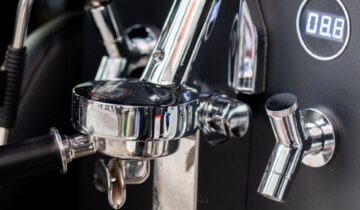
A stable temperature is the cornerstone of great espresso. For many prosumer and commercial machines, particularly those with the iconic E61 group head, this stability is achieved through a clever piece of passive engineering called a thermosyphon. This system continuously circulates hot water from the boiler, through the group head, and back again, keeping everything at the perfect brewing temperature. However, this elegant system can sometimes fail, leading to a condition known as a thermosyphon stall. When this happens, the circulation stops, the group head cools down, and your espresso quality plummets. This article will serve as your guide to understanding what a thermosyphon stall is, how to accurately identify it, and the practical steps you can take to fix it and restore your machine to its peak performance.
Understanding the thermosyphon system
Before we can fix a stall, we need to understand what’s supposed to be happening. Most heat exchanger (HX) and some dual boiler espresso machines rely on a thermosyphon loop to maintain the temperature of the group head. Imagine a small circulatory system dedicated to your machine’s brewing assembly.
Here’s how it works in a typical E61-style machine:
- Water in the main boiler heats up.
- Inside the boiler is a copper pipe, the heat exchanger, which contains fresh water for brewing.
- Two additional pipes run from the top and bottom of the boiler to the group head, forming a loop.
- As water in the top pipe of the loop heats, it becomes less dense and rises, flowing into the massive brass group head.
- As this water transfers its heat to the group head, it cools, becomes denser, and sinks down through the bottom pipe, returning to the boiler to be reheated.
This constant, passive circulation, driven entirely by natural convection, ensures the heavy brass group head stays hot and ready to brew a shot at a stable temperature. When this cycle is interrupted, you have a thermosyphon stall.
What causes a thermosyphon stall?
The delicate balance of a thermosyphon can be disrupted by a few common culprits. The stall occurs when the natural convection loop is blocked or broken, preventing water from circulating. Understanding the cause is the first step toward an effective fix.
The primary causes include:
- Scale Buildup: This is the most frequent offender. Hard water leaves mineral deposits (limescale) inside the machine’s pipes. The thermosyphon loop has relatively narrow copper tubing, making it particularly vulnerable. As scale builds up, it constricts the pipes, slowing down the flow until it eventually chokes it off completely, causing a stall.
- Vapor Lock or Air Lock: If the machine overheats or if air gets trapped in the system during a water refill or maintenance, a bubble can form in the upper pipe of the thermosyphon loop. This air or steam bubble acts like a plug, physically blocking the flow of water and stopping the convective cycle.
- Improper Leveling: A thermosyphon relies on gravity. If the machine is not level, with the front tilted significantly higher than the back, it can disrupt the natural flow dynamics required for the water to circulate properly. This is less common but can be a factor.
Essentially, anything that physically obstructs the path of the water or disrupts the density-driven flow can trigger a stall, turning your thermally stable group head into a cold chunk of brass.
How to identify a stalled system
Diagnosing a thermosyphon stall is usually straightforward once you know the signs. The most obvious symptom is a group head that is cool to the touch after the machine has been fully warmed up for at least 45 minutes. A properly functioning E61 group head should be very hot, typically around 88-92°C (190-198°F). If you can comfortably hold your hand on it, something is wrong.
Beyond the simple touch test, here are more precise diagnostic methods:
- Sour Espresso Shots: A cold group head will drastically cool down your brew water, leading to under-extracted shots that taste unpleasantly sour and acidic, regardless of your grind setting or coffee beans.
- No Cooling Flush Needed: A healthy HX machine’s group head gets very hot and requires a “cooling flush” of a few seconds before brewing to bring the water down to the ideal temperature. If you find you no longer need to do this, or if the water coming out is lukewarm, it’s a strong indicator of a stall.
- Group Head Thermometer: The most accurate way to diagnose a stall is with a group head thermometer (a common E61 accessory). It will give you a precise reading of the group’s temperature, removing any guesswork. If the reading is far below typical brewing temperatures, your thermosyphon is not working.
| Symptom | Underlying Cause | What it tells you |
|---|---|---|
| Cool-to-the-touch group head | No hot water circulation | This is the classic, undeniable sign of a complete stall. |
| Consistently sour shots | Low brewing temperature | The group head is acting as a heat sink, not a stabilizer, ruining extraction. |
| Lukewarm water from the group | Stagnant water in the loop | Water is not being replenished with fresh, hot water from the boiler. |
| Group thermometer reads low | No heat transfer | Provides objective data confirming the lack of thermal circulation. |
Fixing the thermosyphon stall
Once you’ve confirmed a stall, you can take action. The fix will depend on the cause. Always start with the machine unplugged and fully cooled down before attempting any maintenance.
1. Addressing Scale Buildup:
If scale is the likely culprit, a thorough descaling is necessary. However, a simple boiler descale might not be enough, as the solution may not naturally circulate into the stalled loop. You might need to encourage it.
- Fill the boiler with a proper descaling solution according to the manufacturer’s instructions.
- With the machine on but not fully heated, you can try to gently rock the machine from side to side. This can help agitate the solution and encourage it to enter the thermosyphon tubes.
- Another method is to carefully loosen the top nut on the group head’s mushroom valve to let a small amount of water out, which can help draw the descaling solution into the loop. Caution: This should be done by experienced users only.
- After descaling, flush the machine thoroughly with fresh water multiple times to remove all traces of the solution.
2. Clearing a Vapor or Air Lock:
If you suspect an air lock, you’re trying to force the bubble out. Sometimes, simply running the pump can do the trick. Engage the brew lever and let water run through the group for 30-60 seconds. This can sometimes create enough force to push the trapped air or vapor through the system and restart the flow. In other cases, slightly loosening a fitting on the top thermosyphon pipe (when the machine is cool and depressurized) can release the trapped air, but this is an advanced technique.
3. Checking the Machine’s Level:
This is the easiest fix. Use a small spirit level and place it on top of the group head or on the frame of the machine. Ensure the machine is perfectly level from front to back and side to side. Adjust the feet of your machine as needed. While it’s a less common cause, it’s a simple check that can save you a lot of trouble.
Regular preventative maintenance, especially using softened water and performing regular descaling, is the best way to prevent a thermosyphon stall from ever happening in the first place.
In conclusion, a thermosyphon stall can be a frustrating issue that turns a fantastic espresso machine into a source of sour, disappointing coffee. However, the problem is rarely fatal. By understanding that this stall is simply a breakdown of the passive hot water circulation to the group head, you can logically deduce the cause. The most common culprits are internal blockages from limescale or an air lock, both of which obstruct the delicate flow of water. By methodically checking for the key symptoms—a cool group head, sour shots, and the lack of a need for a cooling flush—you can confidently diagnose the issue. Following the steps to descale the system properly or purge an air lock will, in most cases, restore the flow and bring your machine back to life, ensuring your group head is hot, stable, and ready to produce delicious espresso once again.

 No products in the cart.