

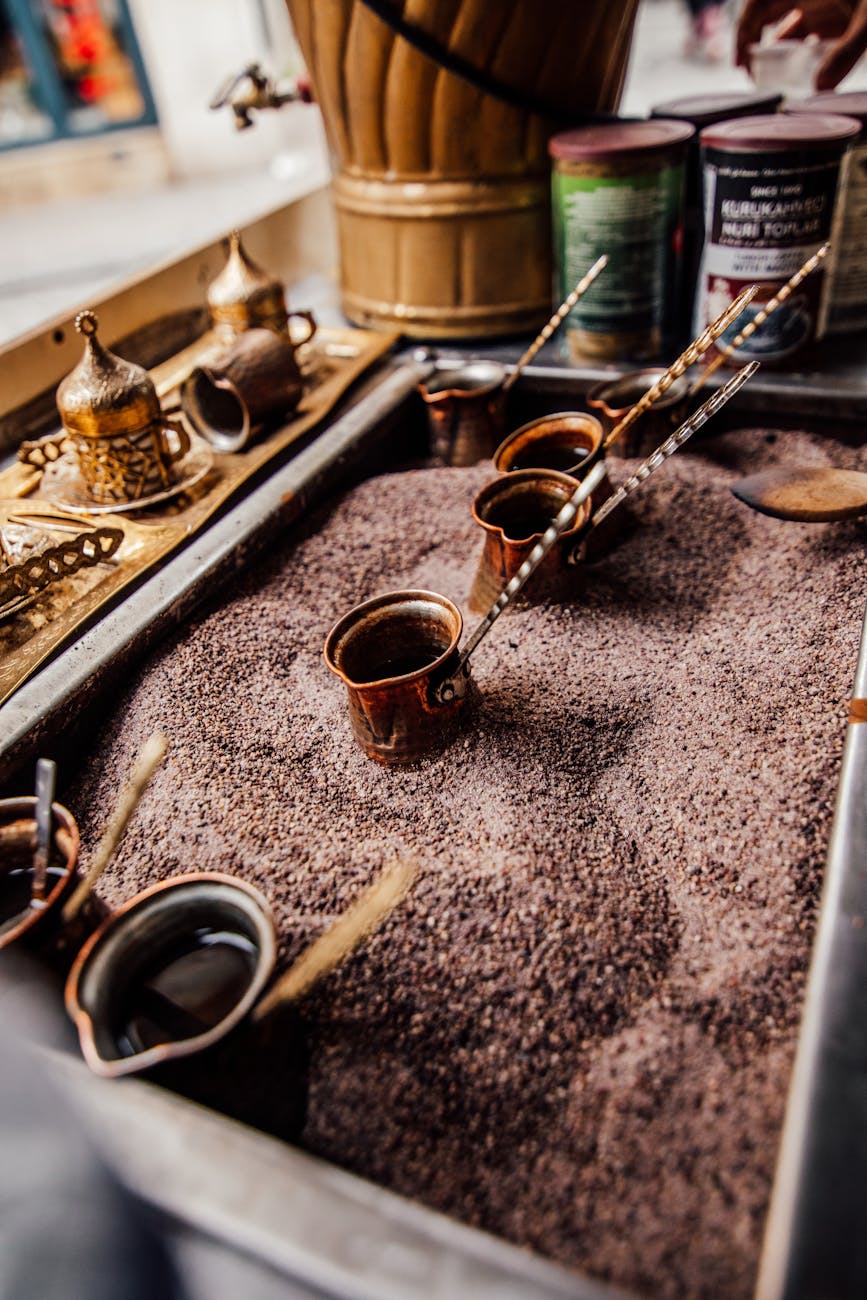
The art of preparing Turkish coffee is a cherished ritual, a process steeped in tradition where every detail matters. We obsess over the quality of the beans, the fineness of the grind, and the precise brewing temperature. Yet, one of the most fundamental components is often taken for granted: the water. Constituting over 98% of the final beverage, water is not merely a neutral liquid but an active solvent, its mineral content playing a decisive role in extracting the rich flavors and creating the velvety body that defines a perfect cup. This article will delve into the science and art of water for Turkish coffee, exploring how minerals like calcium and magnesium can either elevate your brew to new heights or leave it tasting flat and uninspired.
The forgotten ingredient: Why water matters in Turkish coffee
Think of water as the messenger that carries flavor from the coffee grounds to your cup. The effectiveness of this messenger depends entirely on its composition. The term used to measure this is Total Dissolved Solids (TDS), which refers to the concentration of minerals and other organic constituents in the water, measured in parts per million (ppm). Water with a very low TDS, like distilled or reverse osmosis water, is a poor solvent for coffee. It lacks the mineral “hooks” needed to grab onto the desirable flavor compounds in the grounds. This results in a brew that is often described as weak, sour, and one-dimensional.
Conversely, water that is overly rich in minerals can be just as problematic. Extremely “hard” water can lead to over-extraction, pulling out bitter and chalky flavors. The immersive nature of Turkish coffee, where the ultra-fine grounds are in constant contact with the water throughout the brewing process, makes it exceptionally sensitive to these variables. The massive surface area of the grind means that the water’s mineral content has an amplified effect, making the choice of water a critical step in the brewing process.
Hard water vs. soft water: The great flavor debate
The distinction between hard and soft water is central to understanding coffee extraction. This isn’t about the physical feel of the water, but its mineral load, primarily calcium and magnesium.
Hard water is rich in these minerals. This is generally beneficial for coffee brewing, up to a point. Magnesium is particularly effective at binding to and extracting fruity and bright flavor compounds, leading to a more vibrant and complex cup. Calcium, on the other hand, tends to enhance the coffee’s body, contributing to a heavier, creamier mouthfeel. A moderate level of hardness can produce a well-rounded, flavorful, and full-bodied Turkish coffee. However, if the water is excessively hard, the buffering capacity can mute the coffee’s delicate acidity, leading to a dull or even harsh taste.
Soft water, with its low concentration of minerals, struggles to perform the same task. It’s an inefficient extractor. When you use soft or distilled water for Turkish coffee, you’re leaving a significant amount of flavor locked inside the coffee grounds. The resulting beverage will lack body, feel thin in the mouth, and often have a pronounced, unpleasant sourness because the acids are extracted more readily than the sugars and other complex compounds that provide balance.
Finding the sweet spot: Ideal water specifications
The goal is not to find the hardest or softest water, but to find a balanced mineral profile that complements the coffee. The Specialty Coffee Association (SCA) has established water standards that serve as an excellent guideline. For a truly exceptional cup of Turkish coffee, you should aim for water with the following characteristics:
- Total Dissolved Solids (TDS): The ideal range is between 75-250 ppm, with many experts considering 150 ppm to be the sweet spot.
- Calcium Hardness: Approximately 50-80 ppm (or 3-5 grains per gallon). This provides the right amount of heft and creaminess without becoming chalky.
- Total Alkalinity: Around 40 ppm. This acts as a pH buffer, protecting the delicate, desirable acids in the coffee from being flattened.
- pH: A neutral pH of 6.5 to 7.5 is optimal.
To put this into perspective, here is how different water types can impact your brew:
| Water Type | Typical TDS (ppm) | Effect on Turkish Coffee Flavor and Body |
|---|---|---|
| Distilled / RO Water | 0 – 10 | Weak, sour, and lifeless. Lacks body and complexity due to poor extraction. |
| Soft Tap Water | 10 – 60 | Can be flat and underwhelming. May highlight acidity but lacks a full body. |
| Ideal Bottled Spring Water | 75 – 250 | Excellent. Creates a balanced, vibrant, and full-bodied cup with clear flavor notes. |
| Hard Tap Water | 250+ | Can be muted, dull, or chalky. Over-extraction can lead to bitterness. Prone to scale buildup in the cezve. |
Practical tips for perfecting your coffee water
You don’t need a chemistry lab to improve your coffee. Achieving better water at home is quite manageable. First, avoid using distilled or reverse osmosis water on its own. If your tap water is what you have, a simple activated carbon filter (like a standard pitcher filter) is a great first step. It will remove chlorine and other impurities that cause off-flavors, without stripping away all the beneficial minerals.
For more control, you can explore using bottled spring water. Check the water analysis on the label to find one with a TDS close to the 150 ppm ideal. This is often the easiest way to achieve consistent, high-quality results. For the ultimate coffee enthusiast, there are mineral packets available that are specifically designed to be added to distilled water. This allows you to build your perfect brewing water from the ground up, giving you complete control over the final mineral profile and, consequently, the taste of your coffee.
In conclusion, the water you use is a powerful tool in your quest for the perfect Turkish coffee. It is not an inert backdrop but an active participant that dictates which flavors are unlocked from the grounds. Moving away from the extremes of mineral-free soft water or excessively hard water is the first step. The ideal brew lies in the balance—water with a moderate mineral content, specifically calcium and magnesium, will extract a richer, more complex flavor profile and create that sought-after velvety body. By understanding and controlling this single variable, you can dramatically elevate your brewing. We encourage you to experiment with filtered tap water or a carefully selected bottled spring water; the difference it makes to the final cup is both surprising and delicious.

 No products in the cart.