

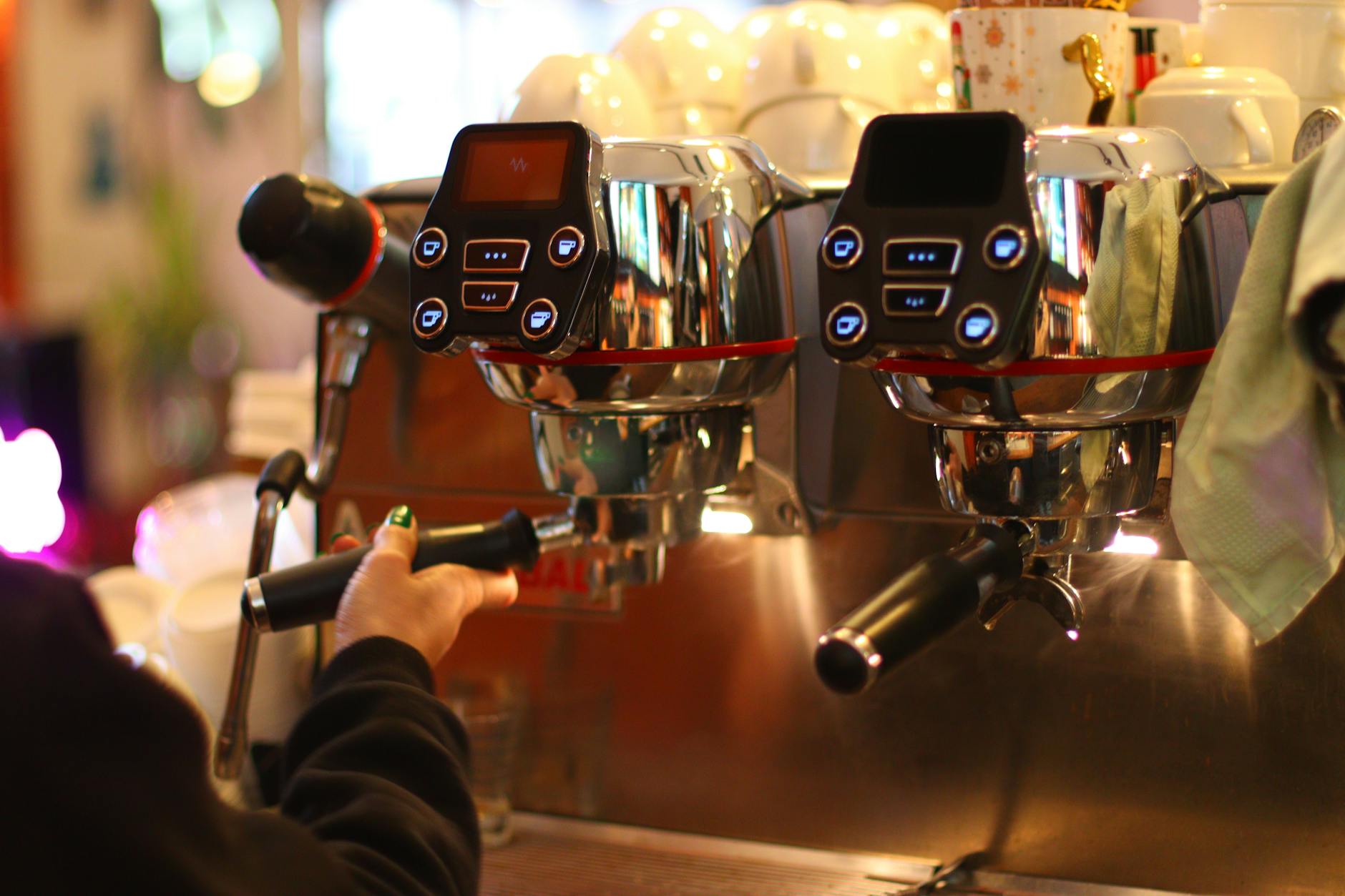
How water hardness affects the longevity of your Gaggia boiler
Your Gaggia espresso machine is the heart of your morning ritual, a reliable partner in crafting the perfect shot. You’ve dialed in your grind, perfected your tamp, and invested in quality beans. But there’s a silent, invisible threat that can undermine all your efforts and drastically shorten the life of your machine: the water you use. Water hardness, a term for the concentration of dissolved minerals like calcium and magnesium, is the single biggest factor influencing the health of your Gaggia’s boiler. Ignoring it can lead to poor performance, inconsistent coffee, and ultimately, a costly and premature breakdown. This article will explore exactly how hard water attacks your boiler and provide a clear strategy to protect your investment for years to come.
Understanding hard water and limescale
At its core, water hardness is simply a measure of the amount of dissolved minerals, primarily calcium and magnesium, present in your water. While perfectly safe to drink, these minerals become problematic when heated inside your Gaggia’s boiler. As the water temperature rises, these minerals precipitate out of the solution and form a hard, chalky deposit known as limescale or scale. Think of it like the white crust that forms inside a frequently used kettle—the exact same process is happening inside your espresso machine, only you can’t see it.
This process is an insidious one. Every time you pull a shot or steam milk, you’re heating a new batch of water, potentially leaving behind another microscopic layer of mineral scale. Over weeks and months, these layers build upon each other, coating the internal surfaces of the boiler, the heating element, and the narrow water pathways. This buildup isn’t just an aesthetic issue; it’s a direct assault on the machine’s performance and structural integrity.
The destructive impact of scale on your boiler
Limescale buildup inside your Gaggia’s boiler isn’t a single problem but a cascade of related issues that work together to degrade and destroy the machine. The consequences are far-reaching and directly impact the longevity of your appliance.
- Reduced heating efficiency: Limescale is an excellent insulator. As it coats the heating element, it forms a barrier that prevents heat from efficiently transferring to the water. Your machine’s thermostat will call for more power for longer periods to reach the target brewing temperature. This not only increases your electricity bill but also puts constant, unnecessary strain on the heating element and other electronic components, leading to a shorter lifespan.
- Temperature instability: An espresso machine relies on precise temperature control for good extraction. When the boiler’s temperature sensor also gets coated in scale, it can no longer get an accurate reading of the water temperature. This leads to wild temperature swings, resulting in shots that are either sour (too cold) or bitter (too hot), ruining the quality of your coffee.
- Blockages and pressure loss: Small flakes of scale can break off and travel through the machine’s intricate system of pipes and valves. These particles can easily clog the three-way solenoid valve, the group head dispersion screen, or the shower screen, leading to reduced water flow, low brew pressure, and eventually a complete blockage that renders the machine unusable.
- Permanent boiler damage: This is the most serious threat to longevity. Underneath the layer of scale, a process called pitting corrosion can occur, especially in Gaggia’s traditional aluminum boilers. The scale creates an environment where the metal is slowly eaten away, leading to irreversible damage. Eventually, this corrosion can create pinhole leaks, requiring a complete and expensive boiler replacement.
A proactive approach: Testing and treating your water
The best way to protect your Gaggia boiler is to stop limescale before it ever has a chance to form. This means you must first understand the water you’re working with. You can easily test your water hardness using inexpensive aquarium or water hardness test strips available online or at pet stores. Alternatively, you can often find a detailed water quality report on your local municipality’s website. Once you know your water’s hardness level, measured in Parts Per Million (PPM) or Grains Per Gallon (GPG), you can take appropriate action.
Using the right water is a proactive strategy. While descaling is a necessary reaction to existing scale, using soft water is a preventative measure that drastically reduces how often you’ll need to descale and minimizes long-term wear.
| Water Hardness Level | PPM (mg/L) | Recommended Action |
|---|---|---|
| Soft | 0 – 60 | Ideal for machine health. Use directly, but still descale occasionally (e.g., every 6-12 months) as a preventative measure. |
| Moderately Hard | 61 – 120 | Use an in-tank water softener/filter pouch or a carbon filter pitcher (like Brita). Descale every 3-4 months. |
| Hard | 121 – 180 | An in-tank filter may not be sufficient. It’s highly recommended to use properly formulated bottled water or an external water softening system. Descale every 2-3 months. |
| Very Hard | 181+ | Do not use this water directly in your machine. Use only treated water, such as from a reverse osmosis system with added minerals (e.g., Third Wave Water) or specific low-mineral bottled water. |
Important Note: Never use pure distilled or reverse osmosis (RO) water on its own. This water is “mineral-hungry” and can be corrosive to metal components over time. It also lacks the necessary minerals for a proper-tasting espresso extraction.
The crucial role of a proper descaling routine
Even if you use softened water, a regular descaling routine is non-negotiable for ensuring your Gaggia’s long-term health. Think of it as a deep clean that removes the minor mineral deposits that inevitably accumulate over time. The frequency of descaling should be directly tied to the hardness of your water and your usage, as outlined in the table above.
Choosing the right descaler is critical. Do not use vinegar. While it is acidic, it can be too aggressive for the aluminum boiler found in many Gaggia models and can also damage the machine’s rubber seals and o-rings. Always use a descaling solution specifically formulated for espresso machines. These products, including Gaggia’s own brand, use acids like citric or lactic acid that are effective at dissolving scale without being overly corrosive to internal components. Follow the manufacturer’s instructions carefully, ensuring you thoroughly flush the system with fresh water after the process to remove any residual solution. A consistent descaling ritual is your final line of defense in the fight for your boiler’s longevity.
Conclusion
The longevity of your Gaggia boiler is not a matter of luck; it’s a direct result of maintenance, and the most critical aspect of that maintenance is water management. We’ve seen how hard water creates limescale, a destructive force that insulates heating elements, causes temperature instability, creates blockages, and leads to permanent corrosion. By understanding this threat, you can take control. The path to a long-lasting machine is a simple, two-part strategy: be proactive by testing your water and using an appropriate softening or filtration method, and be diligent with a regular descaling routine using a machine-safe solution. Protecting your Gaggia from hard water is the best investment you can make to ensure it continues to produce exceptional espresso for many years.

 No products in the cart.