

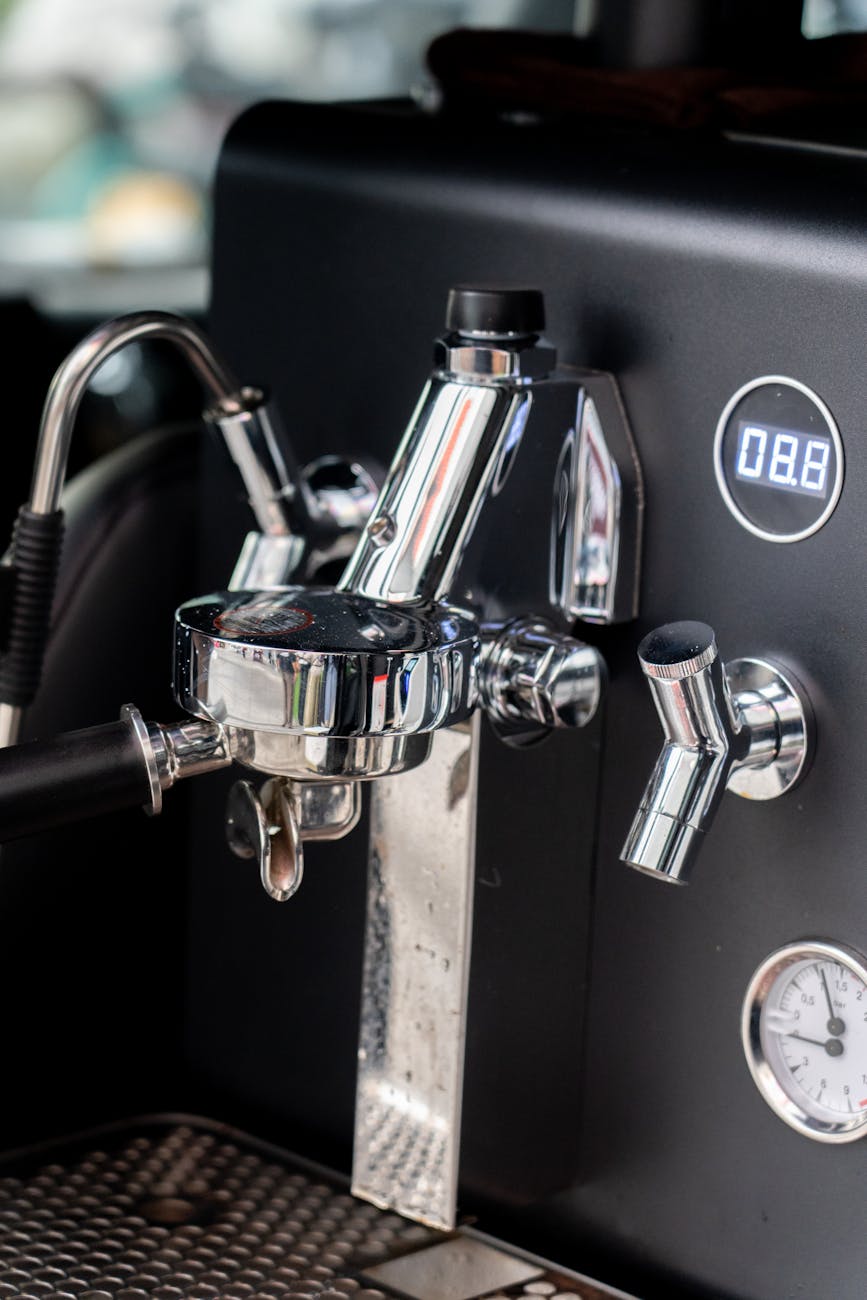
The Gaggia Classic is a legendary entry-point into the world of home espresso. Its robust build and straightforward design have made it a favorite for decades. However, many new owners unknowingly introduce a silent threat to their machine every single day: their tap water. The hardness of your water is one of the most critical factors influencing not only the flavor of your espresso but also the long-term health and longevity of your beloved Gaggia. This article will delve into the science of water hardness, exploring its destructive impact on your machine’s internal components and its surprising effect on what you taste in the cup. We will uncover why simply using filtered water isn’t always enough and provide clear, actionable solutions.
What is water hardness and why does it matter?
At its core, water hardness refers to the concentration of dissolved minerals, primarily calcium and magnesium, in your water. While invisible to the naked eye, these minerals are the main culprits behind the limescale that can cripple an espresso machine. When water is heated inside your Gaggia Classic’s boiler, a chemical reaction occurs. The dissolved calcium and magnesium ions precipitate out of the solution and bond to form calcium carbonate, a hard, chalky deposit we know as limescale.
It’s crucial to understand that not all minerals are bad. In fact, some mineral content is essential for brewing delicious coffee. These very same calcium and magnesium ions help to extract the desirable flavor compounds from the coffee grounds. Water that is too soft, like distilled water, lacks these minerals and will produce a flat, lifeless, and under-extracted shot of espresso. The goal isn’t to eliminate all minerals, but to find a perfect balance—enough to extract flavor, but not so much that it rapidly damages your machine.
The impact of hard water on your Gaggia Classic’s lifespan
Limescale is the number one enemy of any espresso machine, and the Gaggia Classic is no exception. Its effects are slow but destructive, causing a range of problems that can lead to expensive repairs or even permanent damage. The first and most significant point of failure is the boiler. Limescale acts as an insulator, coating the heating element. This forces the element to work much harder and for longer to reach the target temperature, leading to poor temperature stability during brewing and eventually causing the element to burn out.
Beyond the boiler, the machine’s intricate network of pipes and valves is also at risk. The Gaggia Classic uses a three-way solenoid valve to release pressure from the group head after brewing, which produces a dry, easy-to-dispose-of coffee puck. This valve has very narrow passages that are easily clogged by even small scale deposits. When this happens, you might notice wet, soupy pucks or a constant drip from the group head. Over time, scale can restrict water flow throughout the entire system, leading to low brew pressure and, in worst-case scenarios, a complete blockage.
How mineral content shapes the flavor of your espresso
Moving from machine health to taste, the mineral content of your water plays a starring role in the final flavor profile of your espresso. The interaction between minerals and coffee grounds is a complex dance of chemistry. Magnesium is particularly effective at binding to and extracting fruity and floral flavor compounds, while calcium tends to enhance the body and creamy texture of the shot.
This is why different waters produce dramatically different results from the same coffee beans.
- Extremely soft water (under 50 ppm): Lacking the necessary mineral “magnets,” this water struggles to pull flavor from the coffee. The resulting espresso often tastes unpleasantly sour, thin, and hollow.
- Extremely hard water (over 180 ppm): This water can cause over-extraction, pulling out bitter and astringent compounds. Furthermore, hard water often has high alkalinity (bicarbonate content), which neutralizes the delicate and desirable acids in high-quality coffee, leading to a flat and chalky taste.
The ideal water for espresso, as recommended by the Specialty Coffee Association (SCA), has a mineral content in the “sweet spot,” typically between 75 and 150 ppm (parts per million). This provides enough mineral content for a rich, balanced extraction without creating excessive scale.
Protecting your machine and perfecting your brew
Fortunately, controlling your water quality is entirely within your reach. The first step is to understand what you’re working with. You can easily test your tap water’s hardness using inexpensive aquarium or water test strips. Once you know your baseline, you can choose the right solution for your needs.
For those with moderately hard water, simple solutions can be very effective. An in-tank water softening pouch or a water filter pitcher designed to retain some minerals can work wonders. For users with very hard water, more robust solutions are needed. Using a dedicated water filter that connects to your tap is a great option. For the ultimate control, many enthusiasts create their own brewing water by starting with distilled or reverse osmosis (RO) water and adding specific mineral packets, like those from Third Wave Water, to achieve the perfect composition. This completely removes the guesswork and ensures consistency in every shot.
| Water Hardness (Total Hardness as CaCO₃) | Description | Risk to Gaggia Classic | Recommended Action |
| 0 – 50 ppm | Very Soft | Low risk of scale, but can cause flat, sour espresso. Potentially corrosive over long term. | Consider adding minerals (e.g., mineral packets) for better flavor. |
| 50 – 120 ppm | Ideal Range | Low to moderate risk of scale. Provides excellent flavor extraction. | Use a carbon filter to remove chlorine. Descale machine periodically (every 3-6 months). |
| 120 – 180 ppm | Hard | High risk of scale buildup in boiler and valves. | Use an in-tank softener or a softening filter pitcher. Increase descaling frequency. |
| 180+ ppm | Very Hard | Extreme risk of rapid scale formation and component failure. | Do not use directly. Use bottled water with ideal mineral content or make your own water from a distilled base. |
Water is more than just an ingredient in your espresso; it is the solvent responsible for its very creation. Neglecting its quality is a disservice to both your palate and your Gaggia Classic. As we’ve seen, hard water relentlessly builds limescale that clogs valves and destroys heating elements, drastically shortening your machine’s life. Simultaneously, the wrong mineral balance—either too hard or too soft—can prevent you from ever tasting the true potential of your coffee beans. By taking the simple steps to test your water and implement an appropriate softening or filtration solution, you are making the single most important investment in your home espresso setup. This proactive approach ensures your Gaggia Classic will serve you faithfully for years to come, producing delicious, balanced espresso with every shot.

 No products in the cart.