

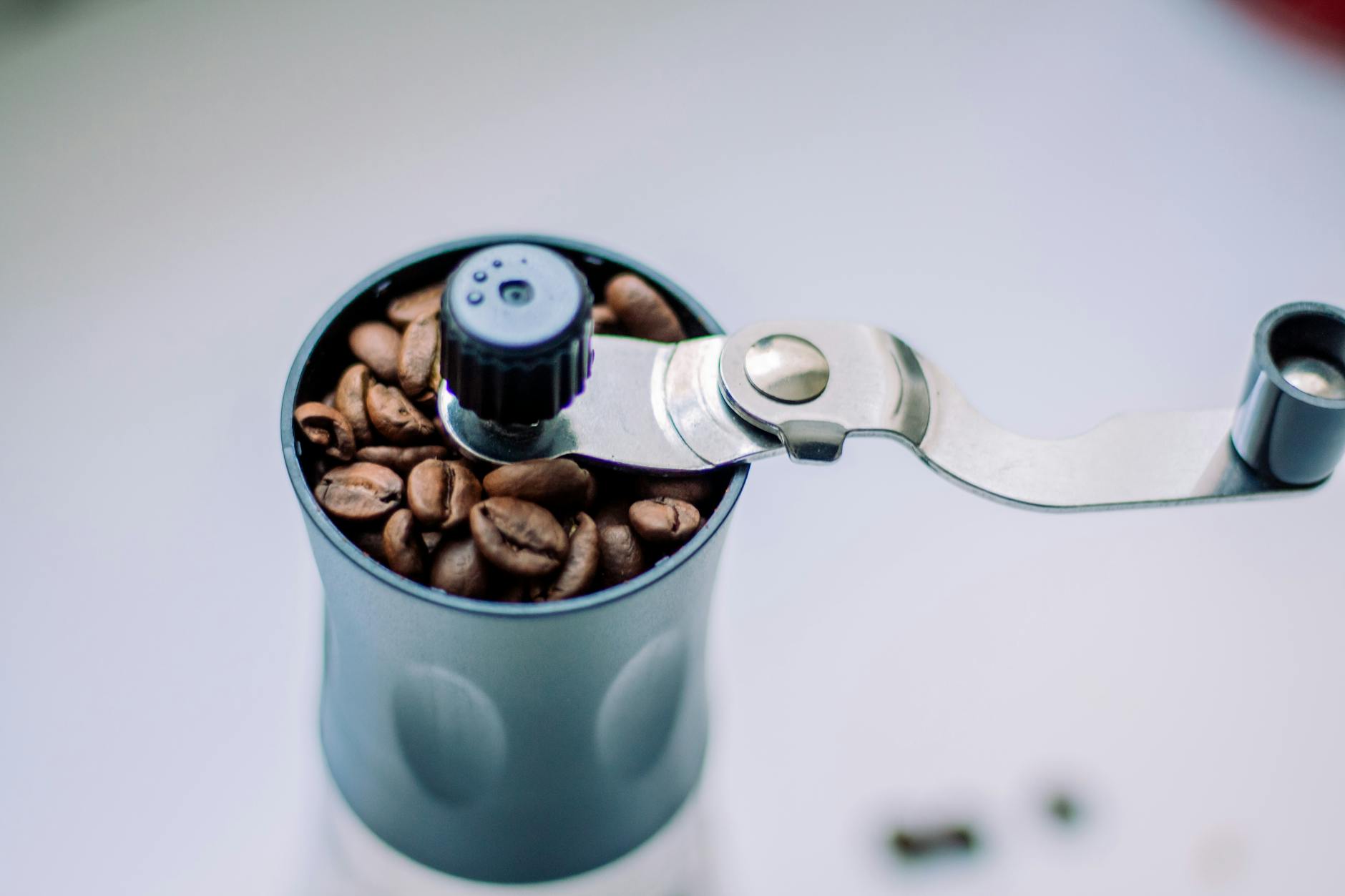
Stop oily beans from jamming your Gaggia Velasca grinder: a complete guide
There’s nothing quite like the sound of your Gaggia Velasca grinding fresh beans first thing in the morning. It’s the promise of a perfect espresso or a rich, creamy cappuccino. But what happens when that familiar whirring sound turns into a struggling groan or, even worse, complete silence? Often, the culprit is the very heart of your coffee: the beans. Specifically, dark, oily coffee beans. While they may look appealingly rich, their slick surface can create a sticky residue that builds up inside the grinder, leading to clogs, inconsistent grounds, and ultimately, a malfunctioning machine. This guide will walk you through exactly why this happens and provide clear, actionable steps to prevent it, ensuring your Velasca runs smoothly for years to come.
Understanding the enemy: why oily beans and your Gaggia don’t mix
To solve a problem, you first need to understand it. The “oil” you see on a coffee bean isn’t an additive; it’s the bean’s natural lipids that have been pushed to the surface during the roasting process. The longer and hotter the roast, the more oils will appear. This is why very dark roasts, often labeled as Italian, French, or Espresso Roast, typically have a noticeable sheen.
Your Gaggia Velasca is a super-automatic machine equipped with high-quality ceramic burrs. This system is designed for precision and convenience, grinding and tamping the perfect amount of coffee for each shot. However, this intricate pathway is where the problem begins. When oily beans are ground, they don’t just break apart into dry particles. Instead, the oils mix with the fine coffee dust, creating a thick, paste-like substance. This residue clings to:
- The ceramic burrs: Coating the grinding surfaces, which reduces their effectiveness and leads to an inconsistent, poor-quality grind.
- The grinder chute: Building up in the narrow passage where the ground coffee travels to the brew unit, eventually causing a complete blockage.
This buildup not only stops your machine from working but also negatively impacts the taste of your coffee. The trapped oils can quickly turn rancid, imparting a stale and bitter flavor to every subsequent cup.
Choosing the right beans for a happy grinder
The most effective way to prevent clogs is to be selective about the coffee you feed your machine. While you don’t have to give up rich flavors, a little bit of knowledge goes a long way. The ideal bean for a super-automatic machine like the Gaggia Velasca has a dry, matte appearance. This is your primary indicator that the oils are still locked inside the bean, where they belong until brewing.
Generally, you should look for light to medium roasts. These beans have been roasted long enough to develop complex flavors but not so long that their internal oils have breached the surface. Don’t be fooled by bags labeled “espresso roast,” as this term is not standardized; always try to visually inspect the beans if possible. Look through the bag’s window or check online reviews for comments about the beans’ oiliness. Freshness also plays a role. As roasted coffee ages, its structure breaks down, which can also cause oils to migrate to the surface.
Here is a simple breakdown to help guide your purchasing decisions:
| Roast level | Typical appearance | Oil level | Gaggia Velasca suitability |
|---|---|---|---|
| Light roast | Light brown, dry surface | None to very low | Excellent. Preserves bean origin flavors and is very safe for the grinder. |
| Medium roast | Brown, mostly matte with a slight satin finish | Low | Ideal. A balanced flavor profile and perfectly safe for the grinder. |
| Medium-dark roast | Darker brown, some small spots of oil | Moderate | Use with caution. Requires more frequent grinder cleaning. |
| Dark/Italian roast | Very dark brown to black, shiny and oily surface | High | Not recommended. High risk of causing clogs and buildup. |
The essential maintenance routine to combat oil buildup
Even if you’re careful with your bean selection, a proactive cleaning routine is the best insurance policy for your Gaggia Velasca. Performing regular maintenance will clear out any minor residue before it can become a major blockage. This doesn’t have to be a complicated chore; a few simple steps can make all the difference.
First, invest in grinder cleaning tablets. These are food-safe, biodegradable pellets, usually made from grains and cereals, designed to absorb coffee oils and dislodge stubborn grounds. Using them is simple: just empty the bean hopper, pour in a capful of the tablets, and run a few grind cycles (without brewing) until the pellets have passed through. This should be done about once a month or after every two pounds of coffee. It’s a quick and highly effective way to keep the burrs and chute clear.
Second, perform a manual deep clean every couple of months. Always unplug your machine before starting. Remove the beans from the hopper and use a vacuum cleaner with a narrow crevice tool to clear out any loose beans and coffee dust from the top of the grinder. Then, use a small, stiff brush to gently dislodge any grounds from the chute leading to the brew unit. Never use water or any liquids to clean the grinder, as this will damage the electrical components and cause the coffee grounds to clump into a solid mass.
What to do when your grinder is already clogged
If you’re already facing a jammed grinder, don’t panic. In most cases, you can resolve the issue at home without needing a technician. The key is to be gentle and patient. Start by unplugging the machine and removing all the beans from the hopper. Your first line of defense is a vacuum cleaner. Use a crevice tool to thoroughly vacuum out the grinder from the top, removing as many whole beans and large coffee particles as you can. This will often relieve enough pressure to clear the initial blockage.
If the vacuum doesn’t solve it, try running a cycle of grinder cleaning tablets. Their abrasive action can sometimes break up the compacted coffee paste causing the jam. If the grinder still won’t run, you may need a more manual approach. Carefully remove the brew unit and look up into the chute where the grounds come out. Using a soft, non-metallic tool like a wooden skewer or a pipe cleaner, gently probe the opening to break up the compacted coffee. Avoid using anything metal, as you could scratch or damage the internal components. If these steps don’t work, it’s best to consult your user manual or contact Gaggia support to prevent causing any further damage to your machine.
Protecting your Gaggia Velasca from a grinder clog is a matter of prevention and proactive care. The core of the issue lies with oily, dark-roasted beans, which leave a sticky residue that builds up on the ceramic burrs and clogs the internal pathways of your machine. By making informed choices at the time of purchase and opting for light to medium roast beans with a dry, matte finish, you eliminate the primary cause of the problem. This simple choice is the single most effective step you can take to ensure the longevity and performance of your super-automatic espresso machine. By pairing smart bean selection with a consistent maintenance schedule, including the regular use of grinder cleaning tablets and periodic manual cleaning, you can keep your Velasca operating flawlessly for years. This ensures your investment continues to produce delicious, hassle-free coffee, guaranteeing a perfect start to your day, every day.



 No products in the cart.