

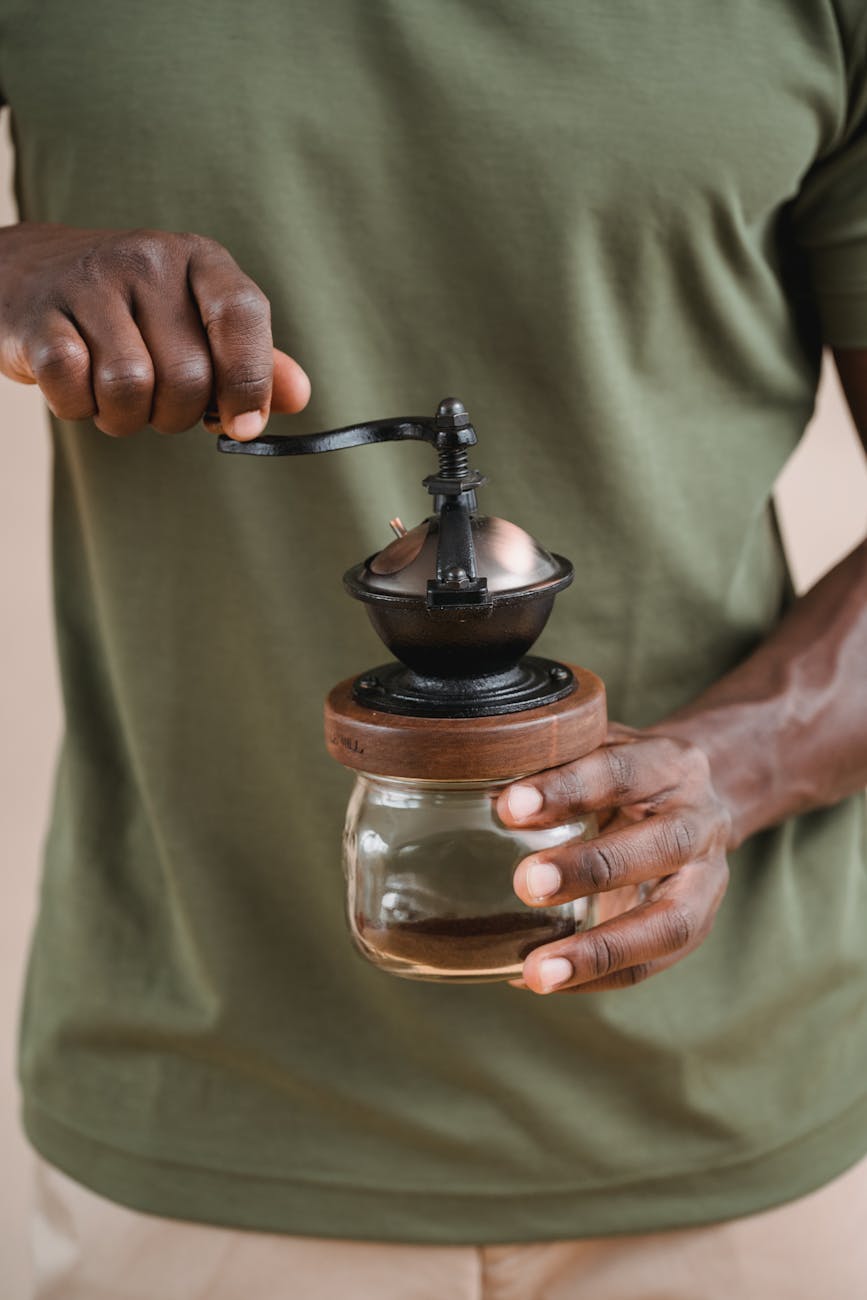
The pursuit of the perfect espresso shot is a journey filled with nuance and detail. You can source the finest single-origin beans and dial in your machine with precision, only to be thwarted by an invisible force: static electricity. This common issue in coffee grinding creates a cascade of problems, from a messy countertop to frustrating clumps in your portafilter. These clumps are more than just an aesthetic annoyance; they are a direct path to uneven extraction and a disappointing, channeled shot. This article will serve as your comprehensive guide to understanding, combating, and ultimately minimizing both static and clumping in your daily espresso workflow, paving the way for more consistent, clean, and delicious results in the cup.
Understanding the enemy: What causes static and clumping?
Before you can solve a problem, you must understand its source. The static that sends coffee grounds flying across your counter is a direct result of the triboelectric effect. In simple terms, this is the buildup of an electric charge caused by friction. As coffee beans are shattered and ground between the burrs of your grinder, electrons are exchanged, creating a static charge. This charge causes the tiny, lightweight coffee particles (especially the “fines”) to repel each other and cling to any surface they can find—your grinder chute, the portafilter, and your hands.
Clumping is a direct consequence of this static charge, combined with other factors. While static makes individual grounds fly apart, it also causes them to attract one another into small, stubborn clusters. Several variables can make this situation worse:
- Roast level: Lighter roasts tend to be drier, harder, and less oily. This makes them more prone to creating static during grinding compared to darker, oilier roasts which have more natural conductivity.
- Bean density: Denser, harder beans often require more force to grind, generating more friction and thus more static.
- Environment: The single biggest environmental factor is humidity. Dry air, common in winter or in air-conditioned spaces, is a poor electrical conductor, allowing static charges to build up with nowhere to go.
- Grinder characteristics: High-speed grinders with high RPMs generate more friction and heat, exacerbating static. The design of the exit chute can also create bottlenecks where grounds can compact and clump.
The RDT method: Your first line of defense
One of the simplest and most effective techniques to combat static right at the source is the Ross Droplet Technique, or RDT. This method, popularized by home-barista forums, involves adding a minuscule amount of water to your beans immediately before grinding. It might sound counterintuitive to add water to something you’re about to grind, but the science is sound. The tiny bit of moisture increases the surface conductivity of the beans, allowing the static charge generated during grinding to dissipate harmlessly rather than build up.
Implementing RDT is incredibly simple:
- Weigh your desired dose of whole coffee beans into a small cup or dosing tray.
- Take a small spray bottle and give the beans a single, very light spritz of water. Alternatively, you can wet the handle of a teaspoon and briefly stir it through the beans. The goal is to lightly dampen the surface, not to soak them.
- Give the container a vigorous shake for a few seconds to ensure the tiny amount of moisture is evenly distributed across all the beans.
- Immediately dump the beans into your grinder hopper and grind as usual.
You will notice an immediate and dramatic reduction in static. The grounds will fall neatly and fluffily into your portafilter with significantly less mess and retention in the grinder chute. A word of caution: use only a tiny amount of water. Over-wetting the beans can lead to a paste-like buildup of coffee fines inside your grinder, and over the long term, could potentially introduce a risk of rust to non-stainless steel burrs.
Puck prep tools to deconstruct clumps
Even with a perfect RDT application, you might still encounter some minor clumping, especially with very fine espresso grinds. This is where your post-grind puck preparation becomes critical. The goal here is to break up any remaining clumps and ensure the coffee grounds are evenly and homogeneously distributed in the portafilter basket before tamping. A poorly distributed bed of coffee, full of clumps and pockets of varying density, is the primary cause of channeling—where water finds pathways of least resistance and bypasses other parts of the coffee puck, leading to a shot that is simultaneously sour and bitter.
The most effective tool for this job is a WDT (Weiss Distribution Technique) tool. This simple device consists of very thin needles (often acupuncture needles) set in a handle. By stirring the grounds with this tool in a circular and raking motion, you methodically break apart every clump and fluff up the coffee bed. This ensures a uniform density throughout the puck, which is essential for an even extraction. Using a dosing funnel alongside your WDT tool is highly recommended. It provides a collar around your portafilter, preventing grounds from spilling over the side as you stir, keeping your workflow clean and efficient.
Grinder considerations and long-term solutions
While techniques like RDT and WDT are powerful workflow interventions, you can also address static and clumping through your equipment and environment. If you are in the market for a new grinder, look for models that incorporate anti-static technology. Some modern grinders feature built-in plasma generators (ionizers) near the exit chute, which actively neutralize the static charge on the coffee grounds as they exit, virtually eliminating the problem.
Grinder maintenance is also key. A grinder chute clogged with old, oily coffee fines will only worsen clumping. Regular cleaning with a brush and grinder-specific cleaning pellets will keep the path clear. Furthermore, consider your environment. If you live in a particularly dry climate, simply running a small humidifier near your coffee station can raise the ambient humidity enough to naturally help static charges dissipate. This passive approach can make a noticeable difference, especially during dry winter months.
| Technique / Solution | Relative Cost | Effort Level | Effectiveness | Potential Downsides |
|---|---|---|---|---|
| Ross Droplet Technique (RDT) | Very Low ($) | Low | Very High | Risk of grinder rust/buildup if too much water is used. |
| Weiss Distribution (WDT) | Low ($) | Medium | Very High | Adds a step to workflow; can be messy without a funnel. |
| Dosing Funnel | Low ($) | Low | High (for cleanliness) | Another piece of equipment to own and clean. |
| Humidifier | Medium ($$) | Very Low | Medium | Requires power and regular water refills. |
| Grinder with Ionizer | High ($$$) | None | Very High | Significant financial investment in a new grinder. |
Ultimately, eliminating static and clumping from your espresso routine is about adopting a multi-faceted approach. These issues are not just minor annoyances; they are significant barriers to achieving the quality and consistency every coffee lover craves. By understanding the root causes—friction and a dry environment—you can take targeted action. Start with simple, low-cost techniques like RDT to tackle static at its source. Follow up with diligent puck preparation using a WDT tool to guarantee a homogenous and clump-free coffee bed. For those seeking the ultimate solution, investing in grinders with modern anti-static technology or controlling your room’s humidity can provide a seamless experience. By integrating these steps into your workflow, you’ll be rewarded with a cleaner process, less frustration, and most importantly, a more balanced and delicious cup of espresso.

 No products in the cart.