

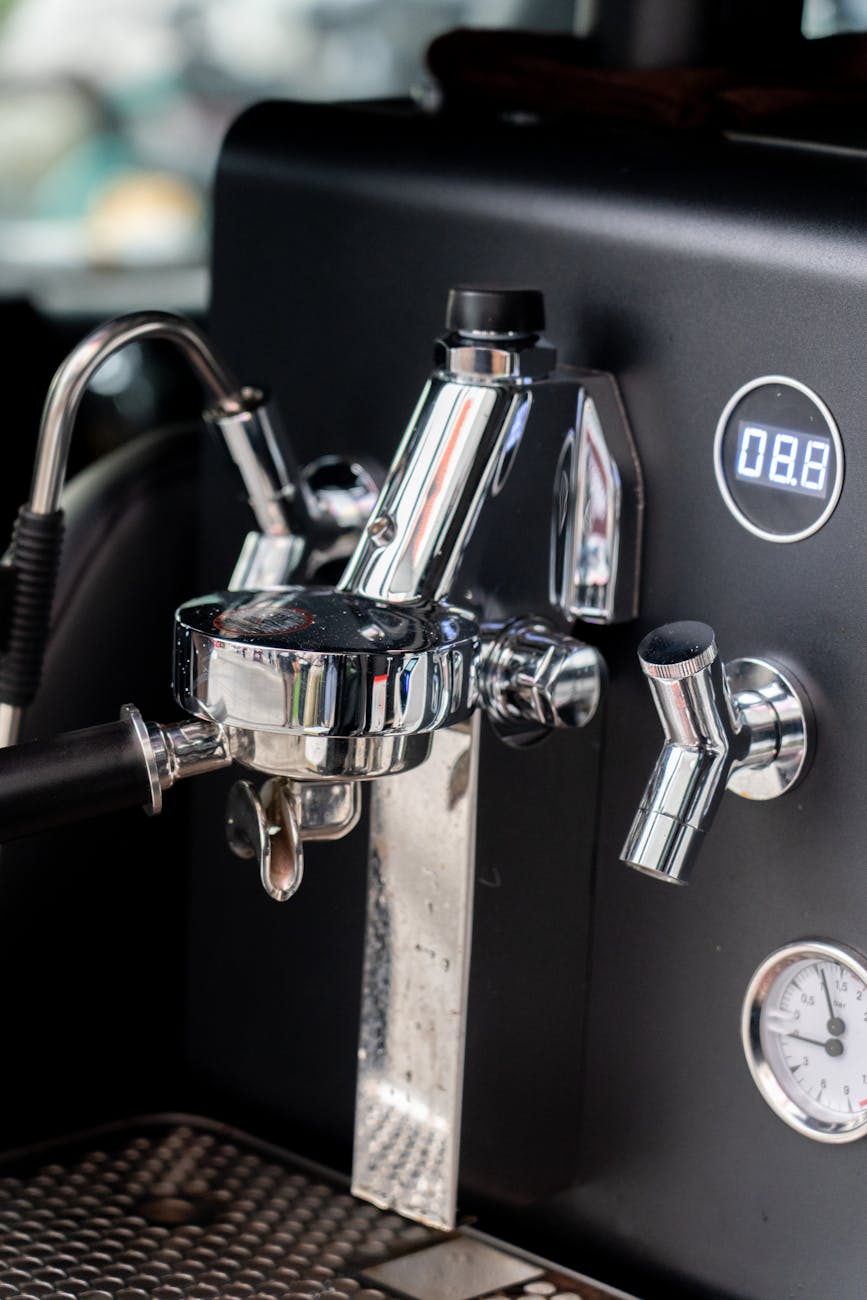
Mastering the La Peppina: A guide to temperature stability
The La Peppina is a marvel of mid-century design, a classic spring-lever espresso machine beloved for its simplicity and the exceptional shots it can produce. However, its unique open-kettle design presents a significant challenge that new and even experienced owners must overcome: temperature stability. Unlike modern machines with isolated boilers and electronically controlled groupheads, the Peppina’s brew temperature is directly tied to the water in its kettle. This requires a hands-on, intuitive approach from the barista. This article will guide you through the essential techniques and rituals needed to tame the thermal behavior of your La Peppina, transforming inconsistent shots into consistently delicious espresso. We will explore everything from pre-heating to active temperature management during the pull.
Understanding the La Peppina’s thermal design
To control the temperature of the La Peppina, you must first understand its core design. It is fundamentally an open-kettle machine where the brew group is partially submerged in the main body of water. This means the temperature of the brass grouphead is always trying to equalize with the temperature of the water around it. This is drastically different from machines with large, isolated E61 groupheads that act as massive heat sinks for stability. The Peppina’s group is relatively small and its temperature is dynamic, responding quickly to changes in the kettle water.
This direct thermal connection is both a challenge and an opportunity. The challenge is that there is no buffer; if your kettle water is too hot or too cold, so is your grouphead. The opportunity is that you have direct, real-time control. By managing the kettle’s heating element and monitoring the water with a thermometer, you can precisely influence the conditions for your extraction. The goal is not just to heat the water, but to ensure the entire brew path, from the kettle to the piston and the grouphead itself, is at a stable and correct temperature before you pull the shot.
The essential pre-heating ritual
A consistent pre-heating routine is the foundation of temperature stability on a La Peppina. Skipping or rushing this step is the most common cause of sour, under-extracted shots. The goal is to bring the entire machine, especially the brass grouphead, up to a stable thermal mass. Cold brass will suck heat directly from your brew water, ruining the extraction.
Follow this simple but crucial process:
- Start with hot water: Fill the kettle with water just off the boil from a separate kettle. This significantly reduces the time it takes for the machine’s own heating element to reach the target temperature.
- Engage the heat: Turn the machine on. Most models have two settings (I for low, II for high). Use the high setting to get up to temperature quickly, then you can switch to the lower setting for maintenance if you prefer.
- Monitor the temperature: Place a digital probe thermometer into the kettle. This is not optional; it is the most important tool for managing your Peppina. Guessing the temperature is a recipe for frustration.
- Warm the group: Once the water is nearing your target temperature (e.g., 94°C or 201°F), perform a few “dry pulls.” This means raising and lowering the lever without the portafilter locked in. This action draws hot water into the piston chamber and forces it through the group, rapidly heating it from the inside out. You will feel the lever handle and the group itself become warm to the touch.
Only when the grouphead is properly heated and the water is at your desired starting temperature are you ready to prepare your shot. This ritual ensures that the water temperature you measure in the kettle is as close as possible to the temperature that will actually hit your coffee puck.
Active temperature management for the perfect shot
With the machine pre-heated, your job shifts to active management during the brewing session. Because of the open kettle, the temperature will naturally fluctuate. You need to learn how to “surf” these temperature waves to match the needs of your specific coffee beans.
Temperature surfing is the technique of timing your shot based on the heating cycle of the machine. The heating element will click on to raise the temperature and click off when it reaches its peak. You use this cycle to your advantage:
- For lighter roasts: These coffees extract best at higher temperatures. You should aim to pull your shot just as the heating element has brought the water to its peak temperature, or even while it is still on. This ensures you have maximum thermal energy for a full extraction.
- For darker roasts: These beans are more soluble and can easily become bitter and ashy if brewed too hot. For these, you want to brew on the cooler side of the cycle. Let the machine reach its peak temperature, then turn the heater off. Watch your thermometer as the temperature slowly drifts down into your target range (e.g., 88-92°C or 190-198°F) and then pull your shot.
For back-to-back shots, the grouphead can become overheated from the first extraction. If your second shot needs a lower temperature, you can briefly apply a cool, damp cloth to the outside of the grouphead to bring its temperature down more quickly. This level of hands-on control is what makes using the La Peppina a rewarding craft.
A practical temperature guide by roast level
While every coffee is different, having a solid starting point for your brew temperature can save you a lot of time and coffee. The following table provides recommended kettle temperature ranges based on the roast level of your beans. Use a thermometer and aim for these ranges as your starting point, then adjust based on taste. Remember, the temperatures below refer to the water in the kettle just before you lift the lever.
| Roast Level | Kettle Temp (°C) | Kettle Temp (°F) | Tasting Notes & Tips |
|---|---|---|---|
| Light Roast | 94°C – 98°C | 201°F – 208°F | Tends toward acidity. Requires high heat to properly extract delicate floral and fruit notes. Brew at the peak of the heating cycle. |
| Medium Roast | 91°C – 95°C | 196°F – 203°F | The most forgiving range. Good for notes of chocolate, nuts, and caramel. A great starting point for dialing in new beans. |
| Dark Roast | 88°C – 92°C | 190°F – 198°F | Prone to bitterness. Requires lower heat to avoid over-extraction. Let the kettle cool for a minute after it clicks off before pulling the shot. |
Use this table as your guide, but let your palate be the final judge. If your shot is too sour, increase the temperature. If it is too bitter, decrease the temperature. This systematic approach, combined with the data above, will help you quickly find the sweet spot for any coffee.
Conclusion
Mastering temperature stability on the La Peppina is less about fighting the machine and more about understanding its nature. Its open-kettle design demands a hands-on approach that transforms the barista from a button-pusher into an active participant in the extraction. By embracing a thorough pre-heating ritual, you create the stable thermal foundation necessary for a great shot. From there, using a thermometer to actively manage and surf the machine’s temperature cycles allows you to tailor the brew conditions precisely to your coffee beans. This process, moving from a light roast at the peak of the heat cycle to a dark roast on the cooling end, is the key to unlocking the machine’s true potential. It turns a perceived flaw into a feature, offering a level of direct control that few other machines can match.
 No products in the cart.