

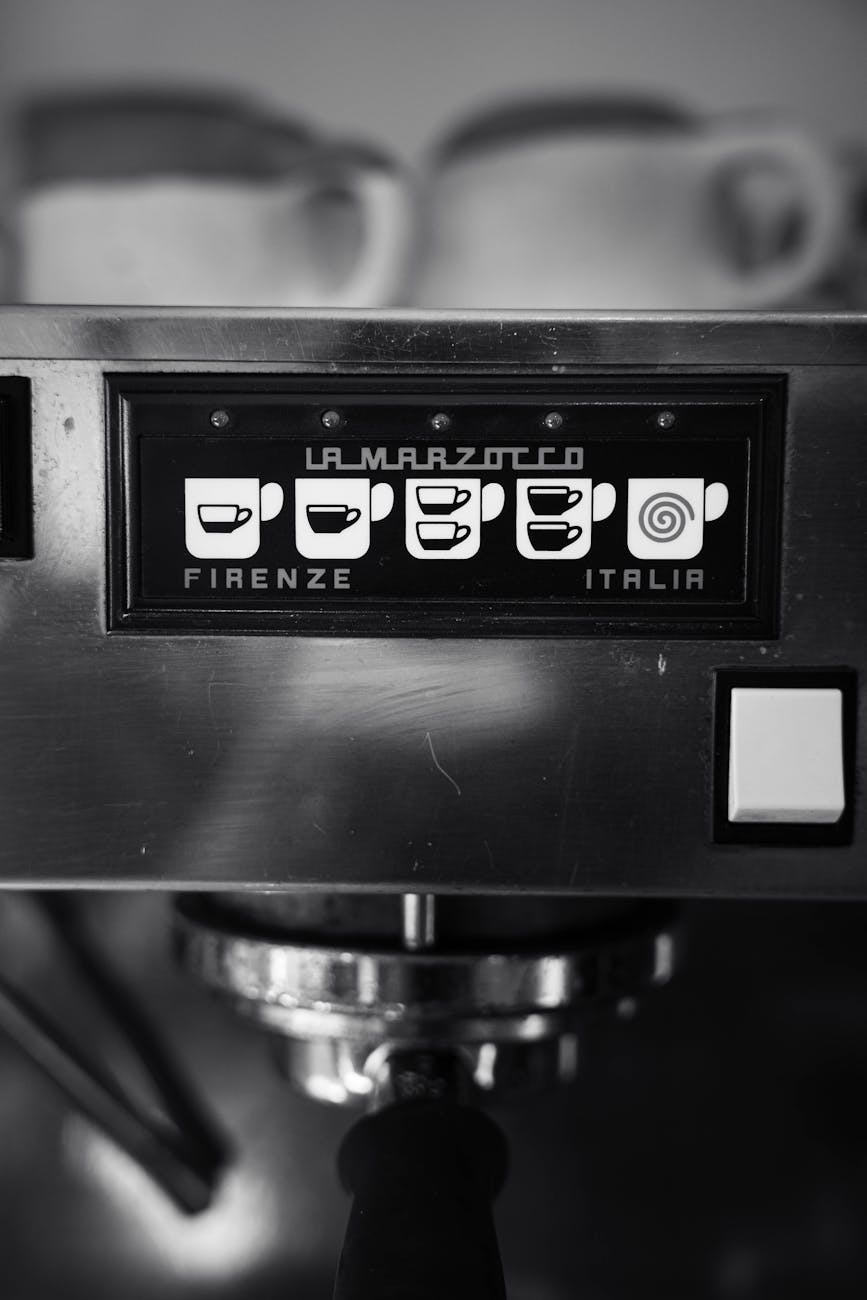
Mastering the challenge: How to dial in light roast coffee on your La Marzocco
The allure of light roast coffee is undeniable. It promises a cup bursting with complex fruity notes, vibrant acidity, and a true sense of its origin. However, for many baristas, translating that promise into a delicious espresso on a high-performance machine like a La Marzocco can be a frustrating journey. Shots often run too fast, tasting unpleasantly sour and thin, a shadow of their potential. This happens because light roast beans are denser and less soluble than their darker counterparts. They demand a different approach to extraction. This guide will walk you through a systematic process to tame that acidity and unlock the sweet, nuanced flavors of light roast coffee, specifically tailored for the power and precision of your La Marzocco espresso machine.
Understanding the challenge of light roasts
Before twisting the portafilter, it’s crucial to understand why light roasts are so different. During the roasting process, coffee beans become more brittle and porous. Light roasts, having spent less time in the roaster, remain very dense and their cellular structure is less broken down. This creates two primary hurdles for espresso extraction.
First, their density makes them harder for water to penetrate, meaning they are less soluble. You need to work harder to extract the sugars and desirable flavor compounds. If you use a standard recipe designed for a medium roast, you will almost certainly under-extract the coffee, resulting in a shot that is aggressively sour and grassy. The second challenge is that to compensate for this low solubility, you must grind finer. This very fine grind, combined with the high pressure of an espresso machine, creates a perfect storm for channeling—where water punches a hole through the coffee puck instead of saturating it evenly. This leads to a shot that is simultaneously sour and bitter. The goal is not to eliminate acidity, but to transform it from a sharp, one-dimensional sourness into a complex, vibrant brightness balanced by sweetness.
Prepping your La Marzocco and grinder for success
Your equipment is your greatest ally. A La Marzocco provides incredible thermal stability, a key weapon in the fight for better extraction. Begin by leveraging the machine’s PID controller. For light roasts, you need more thermal energy to boost solubility. Set your brew temperature higher than you would for a darker roast, typically in the 94-96°C (201-205°F) range. La Marzocco’s saturated group heads ensure that this temperature is incredibly stable right at the puck, giving you consistency shot after shot.
Equally important is your grinder. A high-quality grinder with sharp, well-aligned burrs is non-negotiable. It must be capable of producing a consistent, fine grind without generating excess heat or too many fines, which can clog the basket and cause channeling. Before you begin, ensure your portafilter, basket, and group head are spotlessly clean. Any old coffee oils will impart rancid flavors and interfere with extraction. Meticulous puck preparation is your final line of defense against channeling. Use a Weiss Distribution Technique (WDT) tool to break up clumps and evenly distribute the grounds, then ensure a firm, perfectly level tamp.
The dialing-in process: A step-by-step guide
With your equipment prepared, you can begin the dialing-in process. This is a methodical exploration of variables, changing only one at a time. Forget your standard 1:2 ratio in 25 seconds; light roasts play by different rules.
- Establish a baseline recipe. Start with a longer brew ratio to give the water more contact time to extract those stubborn solids. A good starting point is a 1:2.5 ratio. For an 18-gram dose in your basket, you’ll be aiming for a 45-gram yield in the cup.
- Adjust grind size for time. Your primary goal is to find a grind setting that allows for an even extraction. With a longer ratio, you should also aim for a longer shot time. Target a total time of 30-40 seconds. If your 45-gram shot pulls in 20 seconds, your grind is too coarse. If it takes 50 seconds, it’s too fine. Adjust the grind and pull another shot, keeping your dose and yield the same.
- Leverage your machine’s features. This is where your La Marzocco shines. If you have a machine with manual paddle control like a Linea Mini or GS3, introduce a gentle pre-infusion. By engaging the pump for 5-8 seconds before ramping up to full pressure, you allow the puck to become fully saturated. This dramatically reduces the chance of channeling and promotes a more even extraction.
- Fine-tune the yield by taste. Once your time is in the 30-40 second window and the shot flows without obvious channeling, it’s time to taste. Is it still a little too acidic and lacking sweetness? Increase the yield slightly to a 1:2.8 or 1:3 ratio (e.g., 18g in, 50-54g out). This will increase extraction. If it’s tasting a little empty or astringent, try reducing the yield slightly to a 1:2.2 ratio. Taste is always the final judge.
Tasting and troubleshooting common issues
Relying solely on numbers—grams, seconds, temperature—will only get you so far. The final and most important tool is your palate. You need to connect what you taste in the cup to the variables you can control. Light roasts should be bright, not just sour. You’re looking for a balance where the acidity is perceived as fruity or floral, supported by a clear sweetness and a pleasant, lingering aftertaste. Bitterness and astringency (a dry, puckering sensation) are signs that something is wrong, often indicating channeling or over-extraction of specific parts of the puck.
Use this table as a quick guide to diagnose your shots and decide what to change next.
| Problem (Taste) | Likely Cause | Primary Solution |
|---|---|---|
| Aggressively sour, grassy, salty, thin body | Under-extraction | Grind finer to slow the shot and increase contact time. |
| Bitter, astringent, dry, hollow taste | Over-extraction or Channeling | Grind coarser to speed up the shot. Also, check puck prep for evenness. |
| Both sour and bitter at the same time | Channeling | Improve puck distribution (WDT), ensure a level tamp, and use pre-infusion. |
| A bit too acidic, but otherwise good | Slight under-extraction | Increase yield (e.g., from 45g to 48g) or slightly increase temperature. |
Conclusion
Dialing in light roast coffee on a La Marzocco is a rewarding process that elevates your skills as a barista. It forces you to move beyond rigid recipes and develop a deeper understanding of espresso extraction theory. Remember the core principles: light roasts are dense and require more effort to extract. Start by increasing your brew temperature to promote solubility and plan for a longer brew ratio and shot time. Meticulous puck preparation is non-negotiable to prevent channeling with the necessary fine grind. Systematically adjust one variable at a time, starting with grind size to control the flow rate, and then fine-tuning your yield based on taste. By patiently applying these techniques, you will transform frustrating, sour shots into the balanced, sweet, and wonderfully complex espresso that light roasts are famous for.
 No products in the cart.