

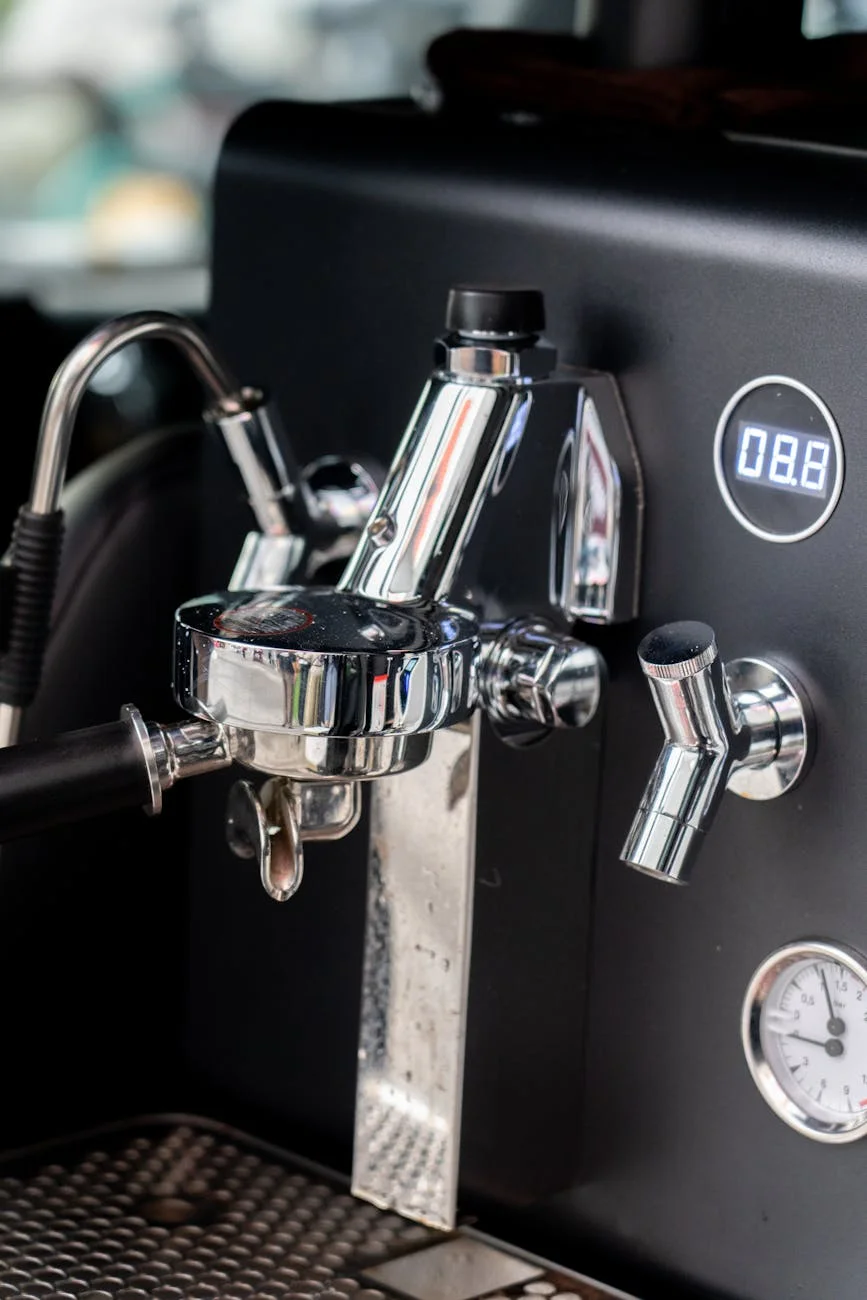
Dialing in a new espresso roast for your lever machine: a complete guide
There’s a special kind of excitement that comes with opening a new bag of espresso beans. The aroma fills the air, promising a delicious new experience. For the lever machine enthusiast, however, this excitement is paired with a unique challenge: dialing in the new roast. Unlike pump-driven machines with their consistent pressure, a lever machine is an extension of the barista. It demands a hands-on, intuitive approach. Mastering this process transforms a simple routine into a rewarding craft. This guide will walk you through the essential steps to dial in any new espresso roast on your lever machine, moving from foundational principles to the nuanced art of pressure and pre-infusion, ensuring you pull the perfect shot every time.
Understanding your variables: the lever machine difference
Before you pull your first shot, it’s crucial to understand why a lever machine requires a different approach. While the core variables of espresso—dose, grind, yield, and time—remain the same, a lever machine introduces two powerful, user-controlled elements: pre-infusion and pressure profiling. A standard semi-automatic machine typically delivers a flat 9 bars of pressure. A spring lever, by contrast, naturally creates a declining pressure profile, starting high and gently tapering off. A direct lever puts pressure entirely in your hands. This manual control is your greatest tool.
Pre-infusion, the gentle wetting of the coffee puck at low pressure before extraction, is manually controlled by how long you hold the lever up. This step is critical for ensuring the puck is fully saturated, which helps prevent channeling (when water finds a path of least resistance and bypasses coffee grounds) and promotes a more even extraction. The pressure you apply, and how it changes throughout the shot, directly impacts which flavor compounds are extracted from the coffee. This tactile feedback and direct control are what make dialing in on a lever both a challenge and a joy.
Establishing a baseline: the first shots
The goal of your first few shots is not perfection. It’s about gathering information and establishing a starting point. Don’t get discouraged if the first pulls are sink shots; they are a necessary part of the process. We begin by setting a consistent recipe and then adjusting from there.
- Set your dose: Choose a dose that is appropriate for your filter basket. A standard double basket usually holds between 16-18 grams. For now, pick one dose and stick with it. Consistency is key. Use a scale accurate to 0.1 grams.
- Find a starting grind size: Your first guess on grind size is just that—a guess. A good strategy is to start with a setting you suspect might be slightly too fine. It’s often easier to diagnose a choked shot (too slow) than a gusher (too fast). Make a small adjustment coarser on your grinder from this starting point.
- Pull the shot and measure yield: Place your cup on a scale and aim for a standard 1:2 brew ratio. For an 18-gram dose, you’ll be targeting a 36-gram liquid espresso yield. For now, don’t focus obsessively on the time. Simply observe how the shot flows. Does it drip out slowly, or pour out like a faucet?
- Taste and assess: Now, taste the espresso. Is it overwhelmingly sour? This indicates under-extraction (the shot ran too fast). Is it harsh and bitter? This points to over-extraction (the shot ran too slow). The numbers are a guide, but your palate is the final judge.
At this stage, you have a baseline. You know your dose, your yield target, and how your initial grind setting performed. Now the real work of dialing in begins.
The art of iteration: adjusting grind and yield
With your baseline established, you can begin making methodical adjustments to steer the espresso toward your desired taste profile. The golden rule of this phase is simple: change only one variable at a time. If you change both the grind size and the dose, you won’t know which adjustment was responsible for the change in taste.
Your primary tool for controlling the extraction time is the grind size. Think of it as the main dial for your shot’s flow rate. If your first shot was a fast, sour gusher, you need to increase the resistance in the coffee puck. To do this, adjust your grinder to a finer setting. This will slow the flow of water, increasing contact time and extracting more sweetness and body. Conversely, if your shot choked the machine and tasted bitter, you need to coarsen the grind to allow water to flow through more easily.
Once your shot time is in a reasonable range (typically 25-40 seconds, including pre-infusion), you can begin to fine-tune with yield. Adjusting the final weight of your espresso can subtly alter its balance.
- Slightly bitter? Try stopping the shot earlier for a shorter yield (e.g., 18g in, 32g out). This reduces the extraction of bitter compounds that tend to come at the end of the shot.
- Slightly sour? Try letting the shot run a little longer for a higher yield (e.g., 18g in, 40g out). This can extract more sweetness to balance the acidity, especially with lighter roasts.
This iterative process of adjusting, pulling, and tasting is the core of dialing in. The tactile feedback from the lever will also give you clues. A good shot often provides firm, consistent resistance throughout the pull.
| Problem | Taste Profile | Primary Solution |
|---|---|---|
| Shot is too fast (< 20s) | Sour, acidic, thin body | Grind finer |
| Shot is too slow (> 45s) | Bitter, harsh, burnt | Grind coarser |
| Shot is balanced in time but still sour | Under-extracted | Increase yield or extend pre-infusion |
| Shot is balanced in time but still bitter | Over-extracted | Decrease yield or shorten pre-infusion |
Leveraging your lever: mastering pressure and pre-infusion
Once your dose, grind, and yield are producing a balanced shot, it’s time to explore the variables that make your lever machine truly special. This is where you move from good espresso to great espresso. Manipulating pre-infusion and pressure allows you to highlight specific characteristics of the coffee you’re using.
Pre-infusion is your tool for managing puck saturation. For a dense, light-roast coffee, a longer pre-infusion (e.g., 10-15 seconds) can be a game-changer. It gives water more time to penetrate the grounds evenly, reducing the chance of channeling and helping to extract the delicate, complex flavors locked inside. For a dark, more soluble roast, a shorter pre-infusion (e.g., 4-6 seconds) might be better to avoid extracting any ashy or overly bitter flavors. Simply hold the lever just before the point of engagement for your desired time and watch for the first drips to appear before fully engaging the pull.
Pressure profiling is the final touch. With a spring lever, you can gently assist the lever on its return journey to reduce the pressure for a softer extraction, which can be beneficial at the end of a shot. With a direct lever, you have complete freedom. You can try a slow ramp-up of pressure to act as an extended pre-infusion, a hold at peak pressure, and a slow decline to finish. Experimenting with different profiles can dramatically change the final cup, perhaps emphasizing body with higher pressure or clarity and sweetness with a gentler, declining profile. This is where you truly connect with the machine and craft a shot that is uniquely yours.
Conclusion
Dialing in a new roast on a lever machine is a journey of discovery. It’s a methodical process that rewards patience and careful observation. We began by understanding the unique variables at play—pre-infusion and pressure—that set these machines apart. From there, we established a baseline by fixing our dose and finding a starting grind, focusing not on immediate perfection but on gathering information. The core of the process lies in iteration: making small, singular adjustments to grind size and then yield, always using taste as the ultimate guide. Finally, we explored the art of leveraging the lever itself, using pre-infusion and pressure to fine-tune the extraction and unlock the coffee’s full potential. Embrace this process. The tactile feedback and the exceptional espresso it produces are what make owning a lever machine so incredibly rewarding.
 No products in the cart.