

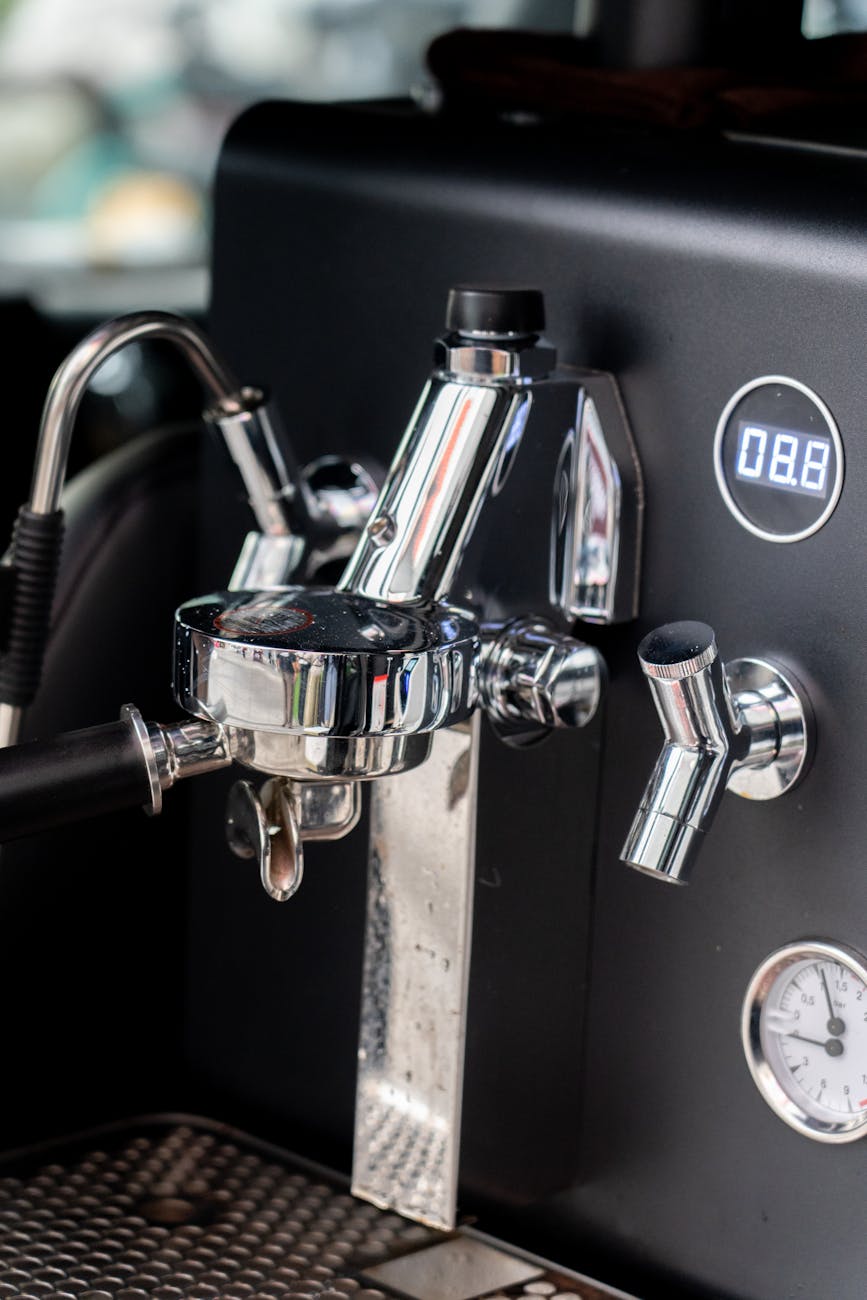
The Gaggia Classic is a legendary entry-point into the world of home espresso, known for its robust build and fantastic performance. However, like any espresso machine, it has an Achilles’ heel: limescale. Mineral deposits from your water can build up inside its boiler and waterways, leading to poor performance and, in the worst cases, irreparable damage. Safely descaling your Gaggia Classic is not just routine maintenance; it’s a critical task to protect your investment. This article will guide you through the entire process, explaining why the Gaggia’s aluminum boiler requires special attention, how to choose the right descaling solution, and the exact steps to follow for a safe and effective clean that will keep your machine pulling perfect shots for years to come.
Understanding limescale and the Gaggia’s aluminum boiler
Before we jump into the “how,” it’s crucial to understand the “why.” The water you use, unless it’s distilled, contains dissolved minerals like calcium and magnesium. When this water is heated inside your Gaggia’s boiler, these minerals precipitate out and form a hard, chalky deposit known as limescale. This buildup is more than just an unsightly nuisance; it’s a direct threat to your machine’s health.
Limescale acts as an insulator. When it coats the boiler’s heating element, the machine has to work harder and longer to reach the proper brewing temperature. This leads to inconsistent shots and, over time, can cause the heating element to overheat and fail. Furthermore, scale can flake off and clog the narrow passages within the machine, including the solenoid valve, leading to reduced water flow and weak steam pressure. Ultimately, it compromises the taste of your coffee.
The most critical factor for the Gaggia Classic is its aluminum boiler. While aluminum heats up quickly, it is a relatively soft and reactive metal. This makes it particularly vulnerable to damage from overly aggressive acids, which can corrode the boiler wall, causing pitting and eventually leading to leaks. This is why you can’t just grab any descaler off the shelf.
Choosing the right descaling solution
The single most important decision you’ll make in this process is selecting the correct descaler. Using the wrong product can do more harm than good, permanently damaging your machine’s boiler. Let’s break down the common options and why some are safer than others.
- Vinegar: Never use vinegar to descale a Gaggia Classic. While it’s a common household cleaner, acetic acid (vinegar) is highly corrosive to aluminum. It will aggressively attack the boiler, leading to pitting and long-term damage. It can also leave a strong odor that is difficult to flush out and can taint your coffee for a long time.
- Citric Acid: This is a popular DIY option, but it requires careful handling. While less aggressive than vinegar, a solution that is too concentrated can still harm the aluminum boiler. If you choose this route, you must be precise with your measurements, which can be tricky.
- Espresso Machine Descalers: This is the safest and most recommended option. Products specifically formulated for espresso machines, particularly those with aluminum boilers, are designed to be effective against scale while remaining gentle on internal components. They often use acids like lactic acid or sulfamic acid, which are buffered to prevent corrosion.
Always opt for a descaler that explicitly states it is safe for aluminum boilers. Gaggia’s own brand of descaler is a foolproof choice, but other reputable brands like Puly Caff or Urnex Dezcal are also excellent.
| Type of solution | Effectiveness | Safety for aluminum | Recommendation |
|---|---|---|---|
| Vinegar (Acetic Acid) | High | Very Low (Corrosive) | Do not use |
| Citric Acid (DIY) | Moderate-High | Moderate (Risk of error) | Use with extreme caution |
| Commercial Espresso Descaler | High | Very High (Formulated for safety) | Highly recommended |
A safe step-by-step descaling guide
Once you have your aluminum-safe descaler, you’re ready to begin. The process is straightforward but requires patience. Set aside about an hour to complete it without rushing. This guide assumes a standard Gaggia Classic or Classic Pro model.
Step 1: Preparation
- Ensure the machine is turned off and completely cool to the touch.
- Remove the portafilter from the group head.
- Empty the drip tray and the water reservoir.
- Prepare your descaling solution. Mix one packet or the recommended dose of descaler with the amount of water specified in the product’s instructions (usually a full reservoir). Stir until it’s fully dissolved.
- Pour the solution into the water reservoir and place it back into the machine.
Step 2: Circulating the solution
- Place a large bowl or container under the group head.
- Turn the machine’s power switch on.
- Once the machine is ready (the brew light turns on), activate the brew switch and run about 200-250ml (about one cup) of the descaling solution through the group head. Then, turn the brew switch off.
- Now, place the container under the steam wand. Turn on the steam switch and open the steam knob to dispense another 200-250ml of solution through the wand. Close the knob and turn off the steam switch.
- Turn the main power switch off. Let the machine sit for 20-30 minutes. This “soaking” period allows the descaler to dissolve the scale buildup inside the boiler.
- After the wait, turn the machine back on and repeat the process of running solution through the group head and steam wand until the reservoir is empty.
Step 3: The crucial rinse cycle
Flushing the machine is just as important as the descaling itself to remove all traces of the chemical solution.
- Remove the water reservoir and rinse it thoroughly with fresh water to remove any residual descaler.
- Fill the reservoir with clean, fresh water and place it back in the machine.
- Turn the machine on. Run the entire tank of fresh water through the machine, alternating between the group head and the steam wand.
- For good measure, rinse and refill the reservoir one more time and run a second full tank of fresh water through the system. This ensures your machine is perfectly clean and your next coffee will taste pure.
Proactive care to minimize future buildup
While descaling is a necessary part of maintenance, the best strategy is to prevent scale from forming in the first place. The frequency of descaling depends entirely on your water hardness and how often you use your machine. For those with very hard water, you may need to descale every two months, while users with soft water might only need to do it twice a year. The key to reducing this frequency lies in the water you use.
Using filtered or softened water is the most effective way to protect your Gaggia Classic. You have several options:
- Water filter pitchers: A simple Brita or similar pitcher can reduce some of the mineral content.
- In-tank water softeners: Cartridges like the Gaggia Intenza+ sit directly in your water tank and use an ion-exchange resin to actively remove calcium and magnesium ions.
- Bottled or custom water: Using low-mineral bottled water or creating your own espresso water with distilled water and mineral packets (like Third Wave Water) gives you complete control and is the ultimate way to prevent scale.
By being proactive with your water quality, you not only extend the time between descaling but also significantly prolong the life of your machine’s most vital components.
To conclude, descaling your Gaggia Classic is a vital maintenance ritual that directly impacts both the longevity of your machine and the quality of your espresso. The most critical takeaway is the need to respect its aluminum boiler by strictly avoiding corrosive agents like vinegar and opting for a descaler specifically formulated for safety. The process itself is simple: circulate the correct solution through the group head and steam wand, allow it adequate time to dissolve the mineral deposits, and follow up with a very thorough rinsing cycle to flush the system completely. By combining this careful descaling routine with the proactive use of filtered or softened water, you prevent damaging limescale from ever becoming a major threat, ensuring your Gaggia Classic remains a reliable coffee companion for many years.

 No products in the cart.