

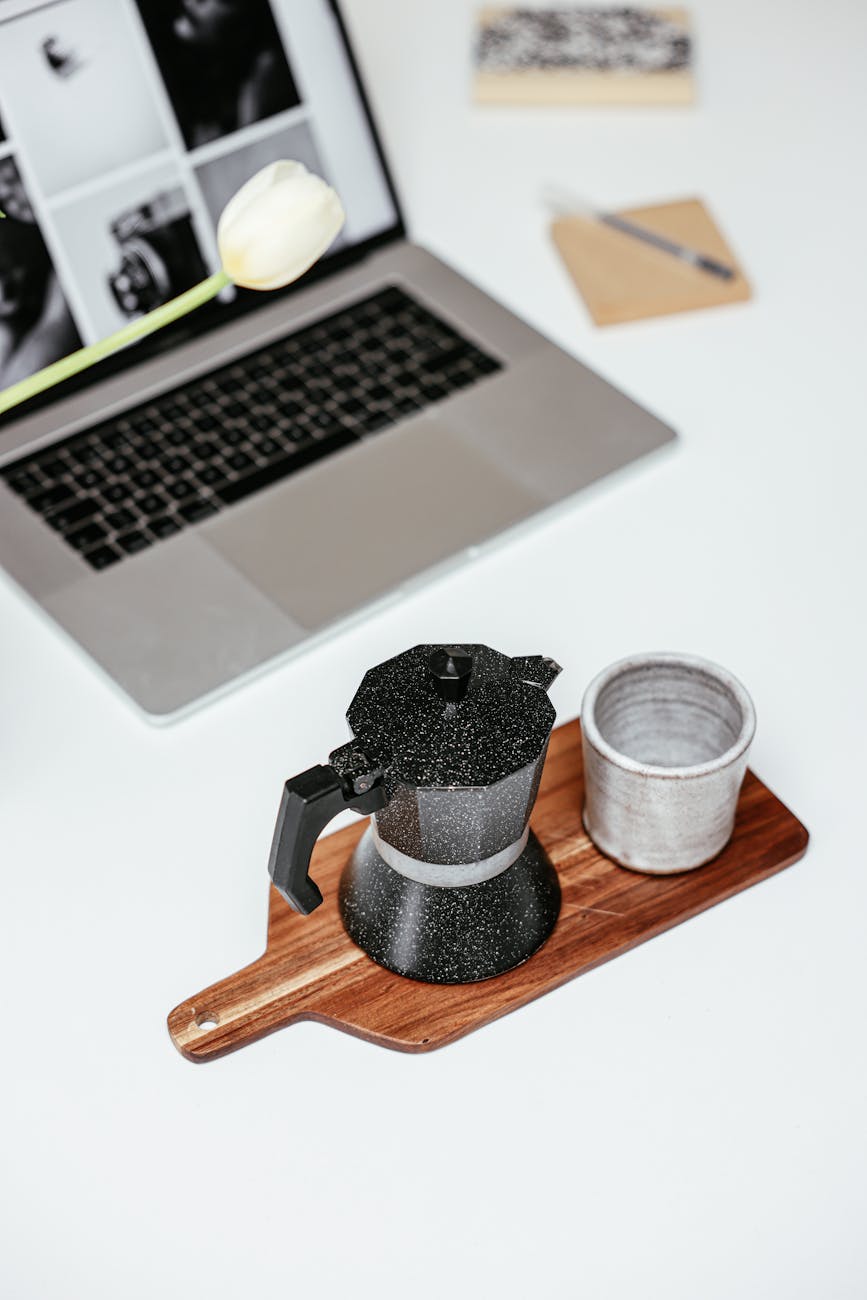
How to clean and maintain your espresso puck screen properly
The espresso puck screen has quickly become an indispensable tool for home baristas and professional coffee makers alike. This small, metallic disc sits on top of your coffee grounds before brewing and works wonders for your extraction. Its primary jobs are to improve water distribution for a more even shot and to keep the group head of your expensive espresso machine significantly cleaner. However, like any coffee equipment, it’s only as good as its maintenance. A dirty, clogged puck screen can do more harm than good. In this guide, we will walk you through the essential steps for cleaning and maintaining your puck screen, ensuring every espresso shot you pull is as delicious as the last and protecting your machine for years to come.
Why a clean puck screen matters
It’s easy to underestimate the impact of such a small accessory, but a clean puck screen is fundamental to achieving great espresso. When you pull a shot, hot, pressurized water hits the screen first. If the screen is clean, its fine mesh holes distribute the water evenly across the entire surface of the coffee puck. This promotes a balanced extraction, allowing you to pull out all the desirable sweet and complex flavors from your beans. Conversely, a screen clogged with old coffee oils and microscopic grounds will cause uneven water flow. This leads directly to channeling, where water finds paths of least resistance through the puck, over-extracting some parts and under-extracting others. The result? A disappointing shot that might taste simultaneously bitter and sour.
Beyond taste, a clean screen acts as a protective barrier for your espresso machine. It prevents coffee grounds from being sucked back into the group head and solenoid valve when the pressure is released after a shot. A dirty screen fails at this job, leading to buildup within your machine that can cause performance issues and require more frequent, intensive maintenance.
Your daily cleaning routine
Consistency is key. The best way to prevent stubborn buildup is to make cleaning your puck screen an automatic part of your espresso workflow. This simple, two-minute ritual should be performed after every single shot you pull. Neglecting this step allows coffee oils to bake onto the metal, making them much harder to remove later.
Here’s the simple daily process:
- Step 1: Remove and rinse. After brewing, the puck screen will be sitting on top of the spent coffee puck. Carefully remove it from the portafilter—be mindful, as it will be very hot. Immediately rinse it under a stream of hot water, either from your machine’s hot water spout or your tap.
- Step 2: Gently scrub. Use a soft-bristled brush, like a nylon group head brush, to gently scrub both sides of the screen. This physical agitation is crucial for dislodging any fine coffee particles that have become trapped in the mesh.
- Step 3: Final rinse and dry. Give it one last thorough rinse to wash away any loosened debris. Finally, pat it dry with a dedicated microfiber cloth or a clean towel before your next use. Never put a wet puck screen back on a dry puck of coffee.
The essential deep cleaning process
While daily rinsing is non-negotiable, it won’t remove the sticky, stubborn coffee oils that accumulate over time. Depending on your usage, you should perform a deep clean on your puck screen once a week or bi-weekly. This process dissolves the built-up residue that a simple water rinse can’t touch, restoring your screen to its original condition.
You have two primary methods for deep cleaning:
Method 1: Using a coffee-specific cleaner
Espresso machine cleaners like Cafiza or other backflushing detergents are designed specifically to break down coffee oils. This is the most effective method.
- Dissolve a small amount of the cleaning powder (usually half a teaspoon is plenty) in a bowl or cup of very hot water.
- Submerge the puck screen completely in the solution and let it soak for 20-30 minutes. You will see the water turn a murky brown as the oils are stripped away.
- After soaking, use your soft brush to give it a final scrub to remove any remaining residue.
- This is the most important step: Rinse the screen thoroughly under running water for at least a minute to ensure all chemical residue is gone. You don’t want any cleaner in your next coffee!
Method 2: Boiling in water
If you prefer a chemical-free approach, boiling is a great alternative. It is slightly less effective on heavy buildup but works well for regular maintenance.
- Place your puck screen in a small saucepan and cover it with fresh water.
- Bring the water to a gentle boil and let it simmer for about 10 minutes.
- Carefully remove the screen with tongs and let it cool slightly before handling.
- Give it a quick scrub with your brush and a final rinse.
Deep cleaning method comparison
| Feature | Coffee Cleaner (e.g., Cafiza) | Boiling Water |
|---|---|---|
| Effectiveness | Highly effective at removing tough coffee oils and stains. | Good for general maintenance, less effective on heavy buildup. |
| Time | 20-30 minute soak. | 10-15 minutes of boiling and cooling. |
| Effort | Low. The chemical does most of the work. | Low. Requires supervision of the stove. |
| Considerations | Must be rinsed extremely well to remove all chemical residue. | Completely chemical-free and food-safe. |
Tips for long-term care and troubleshooting
Proper cleaning is the biggest part of maintenance, but how you handle and store your puck screen also contributes to its longevity and performance. A well-cared-for screen can last for years.
- Handle with care. Puck screens are made of thin, layered metal mesh. Dropping one on a hard floor can easily dent or warp it. A bent screen will not sit flat on your coffee bed, compromising its ability to distribute water evenly.
- Inspect for damage. Periodically hold your screen up to a light source. If you see any areas where the mesh is torn or significantly deformed, it’s time for a replacement. A damaged screen can lead to severe channeling.
- Proper storage. After cleaning and drying, store your screen in a safe, dry place. Many users simply leave it on top of their espresso machine’s cup warmer. This keeps it dry and ready for the next shot.
- Troubleshooting flow issues. If you notice your shots are pulling much slower than usual when using the screen, it is almost certainly clogged. This is a clear sign that it’s overdue for a deep clean.
Conclusion
The espresso puck screen is a fantastic addition to any coffee lover’s toolkit, but it demands a small commitment to maintenance. Integrating a quick rinse-and-scrub into your daily routine is the first and most important step to prevent performance-killing buildup. This, combined with a weekly or bi-weekly deep clean using either a dedicated coffee cleaner or the simple boiling method, will ensure your screen functions perfectly. By keeping this small but mighty accessory in top condition, you are not just taking care of a piece of metal; you are actively improving the consistency and taste of your espresso while simultaneously protecting the internal components of your machine. A clean puck screen is a simple habit that pays delicious dividends in every single cup.
 No products in the cart.