

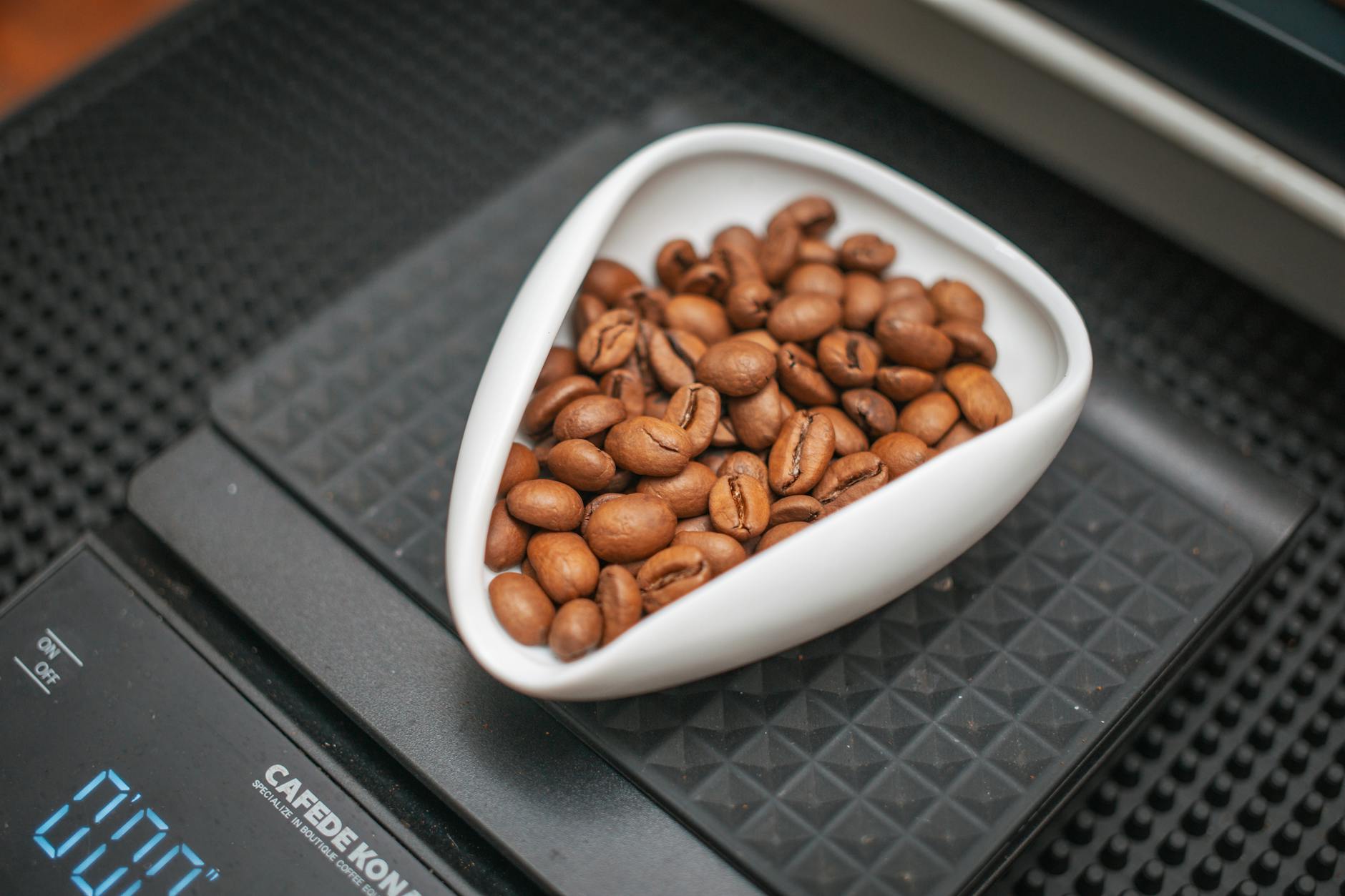
The pursuit of the perfect espresso at home often feels like a mysterious art. You have a great machine and fresh beans, yet your shots are inconsistent—sometimes bitter, sometimes sour, and rarely like the rich, balanced espresso from your favorite café. The secret often lies not in a secret technique, but in precision. A crucial, and frequently overlooked, element is the shot volume. This article will demystify the process of calibrating your home espresso shot. We will move beyond imprecise volume measurements and introduce you to the professional standard: measuring by weight. By understanding and applying brew ratios, you’ll gain the control needed to consistently replicate classic espresso recipes like the intense ristretto, the balanced normale, and the long-sipping lungo.
Ditching the shot glass: Why weight is king
For decades, home baristas have relied on volumetric shot glasses with ounce or milliliter markings to measure their espresso. While visually helpful, this method is fundamentally flawed for one simple reason: crema. Crema, the beautiful reddish-brown foam on top of a fresh espresso, is mostly carbon dioxide gas trapped in coffee oils. Its volume is highly variable and depends on the freshness of the beans, the roast level, and even the time since extraction. A shot with a thick layer of crema can easily fill a glass to the 1oz mark while containing significantly less liquid coffee than a shot with less crema. This leads to wild inconsistencies in strength and flavor.
Measuring espresso by weight in grams using a digital coffee scale eliminates this variable entirely. A gram is a gram, regardless of how much foam is present. This is the method used in specialty coffee shops worldwide because it guarantees repeatability. By weighing your dry coffee grounds (your dose) and your liquid espresso (your yield), you can establish a precise brew ratio. This ratio is the key to unlocking consistent flavor profiles and is the foundation for calibrating your machine for different recipes, which we’ll explore next.
The core concept: Understanding espresso brew ratios
A brew ratio is simply the relationship between the weight of dry coffee grounds you put into your portafilter and the weight of the liquid espresso you get out. It’s expressed as Dose : Yield. For example, a 1:2 brew ratio using 18 grams of coffee grounds would mean you are aiming for a 36-gram liquid espresso yield. This simple concept is transformative because it allows you to target specific flavor profiles associated with classic espresso styles.
There are three fundamental espresso recipes defined by their brew ratios:
- Ristretto: Italian for “restricted,” this is a short shot with a tight brew ratio, typically between 1:1 and 1:1.5. Using our 18g dose, a ristretto would weigh between 18g and 27g. It’s characterized by a syrupy body, intense sweetness, and muted acidity and bitterness, highlighting the initial, most soluble flavors of the coffee.
- Normale (Espresso): This is the modern standard for a balanced shot, with a ratio of 1:2 to 1:2.5. An 18g dose would yield a 36g to 45g shot. This ratio aims for a harmonious balance of sweetness, acidity, and bitterness, offering a complete and complex taste experience. It’s the perfect starting point for calibration.
- Lungo: Meaning “long,” this shot uses a looser ratio of 1:3 or higher. An 18g dose would yield 54g or more of liquid espresso. By passing more water through the coffee, a lungo has a thinner body, lower intensity, and highlights more of the bitter, deeper flavors from the latter part of the extraction.
Understanding these targets is the first step. The next is learning the hands-on process of achieving them.
Your step-by-step guide to calibration
With the theory in place, let’s get practical. Calibrating your shot involves a systematic process of measuring and adjusting. Follow these steps to take control of your espresso.
- Gather your tools: You will need your espresso machine, grinder, fresh coffee beans, a tamper, and most importantly, a digital scale with 0.1-gram accuracy that fits under your portafilter spout.
- Establish your dose: First, decide on your dose of dry coffee grounds. This is typically determined by your portafilter basket size. Most home machines come with a double basket designed for 16-20 grams. Let’s use 18 grams as a consistent starting point. Weigh it out precisely.
- Pick a target ratio and yield: Start with a normale ratio of 1:2. For your 18g dose, your target liquid yield is 36 grams.
- Prepare your puck: Grind your 18g of coffee, distribute it evenly in the portafilter to avoid channeling, and tamp it firmly and levelly.
- Pull the shot on the scale: Place your cup on the scale, press the tare button to zero it out, and immediately start both your shot and a timer.
- Stop at your target: Watch the scale’s display. Stop the shot when it’s a few grams before your target (e.g., at 32-34g). The remaining drips that fall after you stop the pump will bring you to your final 36g target.
- Check your time: Note the final extraction time on your timer. A great starting point for a balanced shot is between 25 and 35 seconds. Now, you have three key data points: Dose (18g), Yield (36g), and Time (e.g., 30 seconds). The final step is to taste it.
Dialing it in: How to taste and adjust
Hitting your target numbers for dose, yield, and time is the science. Tasting the result and making small adjustments is the art. Your palate is the ultimate judge of quality, and the data you’ve collected tells you exactly which variable to change to achieve the taste you want. The most common adjustment you will make is to your grind size, which directly impacts the extraction time.
Use this table as a simple troubleshooting guide. Remember to only change one variable at a time to accurately assess its effect.
| Problem (Taste & Time) | Diagnosis | Solution |
|---|---|---|
| Shot is too fast (<25 seconds) and tastes sour, thin, and salty. | Under-extracted. The water flowed through the coffee too quickly, not having enough time to dissolve the desirable sweet compounds. | Grind finer. This creates more surface area and resistance, slowing down the flow of water and increasing extraction time. |
| Shot is too slow (>35 seconds) and tastes bitter, harsh, and burnt. | Over-extracted. The water was in contact with the coffee for too long, dissolving unwanted bitter and astringent compounds. | Grind coarser. This creates less resistance, allowing the water to flow through more quickly and reducing the extraction time. |
| Time and ratio are correct, but you want a different flavor profile. | Personal preference. Your numbers are good, but you want to explore. | Adjust the ratio. For more intensity and sweetness, try a tighter ristretto ratio (e.g., 1:1.8). For more clarity and a lighter body, try a longer lungo-style ratio (e.g., 1:2.5). |
By tasting and making these small, informed adjustments, you are “dialing in” your espresso. This process transforms your coffee-making from guesswork into a predictable and rewarding craft.
Mastering your home espresso is a journey of precision, and calibrating shot volume by weight is your map. By moving away from unreliable volumetric measurements and embracing the consistency of a digital scale, you gain unparalleled control. The key is to understand the relationship between your dose and yield—the brew ratio—which allows you to purposefully target the distinct profiles of a ristretto, normale, or lungo. Following a systematic process of preparing, pulling, timing, and tasting provides a clear framework for improvement. The numbers guide you, but your palate makes the final call. This calibration process turns a potentially frustrating morning ritual into an engaging craft, empowering you to pull consistently delicious, café-quality espresso that is perfectly tailored to your taste.


 No products in the cart.