

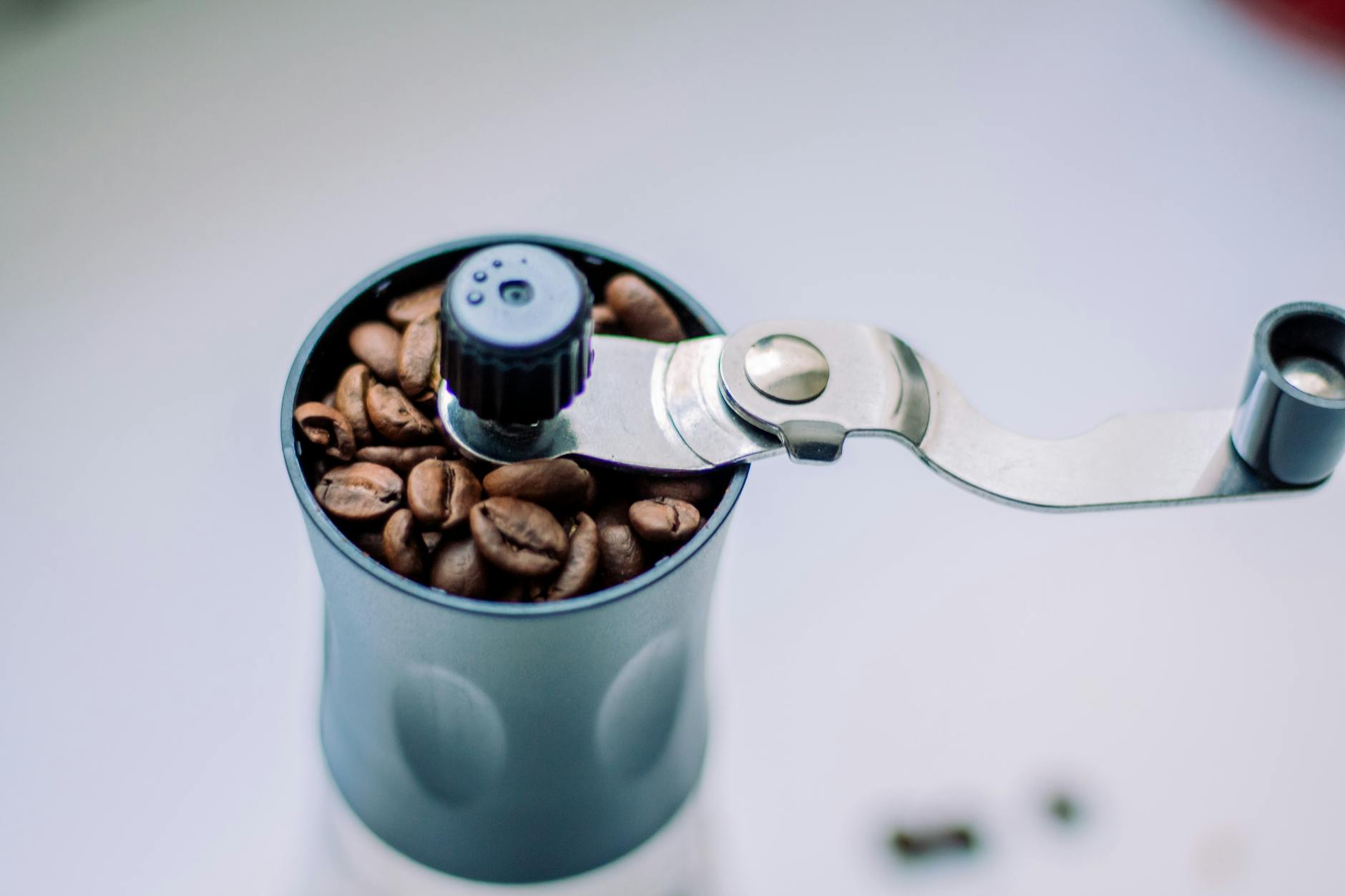
How to calibrate your grinder for a heavier-bodied dessert pairing
There are few greater pleasures than the perfect pairing of a rich dessert with a masterfully brewed cup of coffee. It’s a symphony of flavors where each element enhances the other. But have you ever noticed how a light, delicate coffee can get completely lost next to a dense slice of chocolate cake? The secret to a truly memorable pairing lies in the coffee’s body or mouthfeel. A heavier, more viscous coffee can stand up to the richest of desserts, creating a balanced and luxurious experience. This guide will walk you through a specific skill that unlocks this potential: calibrating your grinder. We will explore how a few simple adjustments can transform your coffee into the ideal companion for your favorite sweet treats.
Understanding body and its role in dessert pairings
Before we touch the dial on our grinder, it’s essential to understand what we mean by “body.” In the coffee world, body refers to the weight, texture, and viscosity of the coffee as you feel it on your tongue. Think of the difference between skim milk and heavy cream; that textural contrast is similar to the difference between a light-bodied and a heavy-bodied coffee. A light-bodied coffee might feel thin and tea-like, while a heavy-bodied one feels rich, syrupy, and substantial.
When pairing with dessert, this texture is just as important as flavor. A rich, decadent dessert like a flourless chocolate torte, a creamy tiramisu, or a New York cheesecake has a powerful presence. A coffee with a light body will simply be overpowered, its subtle notes washed away by the sugar and fat of the dessert. A coffee with a heavier, more syrupy body, however, has the strength to stand its ground. It coats the palate, mingling with the flavors of the dessert rather than surrendering to them. The goal is to create a coffee that complements the dessert’s texture, providing a robust foundation for the combined flavors to shine.
The science of extraction and grind size
The primary tool at our disposal for manipulating a coffee’s body is the grind size. It all comes down to the science of extraction. When hot water meets ground coffee, it begins to dissolve a multitude of soluble compounds: acids, sugars, oils, and other solids. These dissolved solids are what give coffee its flavor and, crucially, its body. The total amount of these solids in the final cup is often referred to as Total Dissolved Solids (TDS).
Here’s the core principle:
- Coarser Grind: Fewer, larger particles. This means less total surface area is exposed to the water. Water passes through more quickly, resulting in lower extraction and a lighter body.
- Finer Grind: More, smaller particles. This creates a massive increase in the total surface area. Water takes longer to pass through, allowing it to dissolve more solids. This higher extraction leads directly to a heavier, more viscous body.
Our mission is to grind finer to increase extraction and build that heavy body. However, this comes with a risk. If we go too far or don’t adjust other factors, we can easily move from perfectly extracted to over-extracted. Over-extraction is when the water starts pulling out the unpleasant, bitter, and astringent compounds from the coffee, resulting in a harsh and drying taste. The art of calibration is finding that sweet spot where we maximize body without introducing unwanted bitterness.
A step-by-step guide to calibration
Calibrating for a heavier body is a process of small, deliberate adjustments. You are not changing everything at once, but rather nudging your brew into a new territory. Let’s assume you have a standard recipe you enjoy for your preferred brew method (pour-over, espresso, etc.). Use that as your starting point.
Step 1: Go one step finer
Start by adjusting your grinder just one or two clicks (or one notch) finer than your usual setting. This seemingly small change will significantly increase the surface area of your coffee grounds and immediately begin to slow down your brew.
Step 2: Observe and adjust your technique
A finer grind resists water flow. You must compensate for this to avoid over-extraction.
- For Pour-Over (V60, Chemex): You will notice the water drains much more slowly. Your total brew time will increase. To avoid bitterness from a brew that runs too long, you can try slightly lowering your water temperature (from 96°C to 93°C, for example). This slows down the extraction rate, giving you more control. Maintain your coffee-to-water ratio.
- For Espresso: This is where the change is most dramatic. A finer grind will drastically slow your shot, potentially “choking” the machine. If your usual 28-second shot is now taking 40 seconds, it will likely be bitter. To compensate, you may need to slightly decrease your dose (e.g., from 18g to 17.5g) to allow water to pass through more easily, aiming for a slightly longer shot time, perhaps 30-35 seconds, to get that syrupy texture.
Step 3: Taste and repeat
Brew the coffee with your new adjustments and taste it. Don’t taste it with the dessert yet; evaluate the coffee on its own. Are you getting that heavier, richer mouthfeel? Is there any new bitterness or astringency? If it tastes great and has a fuller body, you’ve succeeded. If it’s still too thin, try going another click finer and repeat the process of adjusting your technique. If it’s bitter, you’ve gone too far; go back to the previous setting or try adjusting your other variables (like dose or temperature) more aggressively.
Pairing examples and final tips
Now that you have the technique, you can tailor your coffee to specific desserts. A heavier body is not a one-size-fits-all solution; some desserts demand more than others. Remember to also consider the coffee beans themselves. Beans from regions like Brazil or Sumatra, or those that have undergone a natural or honey process, tend to have an inherently fuller body and lower acidity, making them perfect candidates for this type of calibration.
Here is a simple table to guide your pairings:
| Dessert Type | Dominant Flavor/Texture | Recommended Coffee Body | Grind Adjustment Tip |
| New York Cheesecake | Creamy, tangy, rich | Medium-Heavy | Go 1-2 clicks finer than standard. Aim for a velvety texture to match the creaminess. |
| Flourless Chocolate Cake | Intense dark chocolate, dense, fudgy | Very Heavy | Go 2-3 clicks finer. You need a syrupy, powerful body to avoid being overwhelmed by the chocolate. |
| Tiramisu | Coffee, cocoa, creamy mascarpone | Heavy (Espresso-based) | For an espresso pairing, grind fine enough for a slightly longer shot (30-35 seconds) to get a rich, ristretto-like texture. |
| Apple Crumble with Cream | Sweet, spiced fruit, buttery | Medium-Heavy | Grind slightly finer to create a body that complements the cream and stands up to the warm spices. |
Conclusion
Perfectly pairing coffee and dessert is an art form, but one that is firmly rooted in the science of extraction. By understanding the relationship between grind size, extraction, and body, you can move beyond simply brewing a “good” cup of coffee and start crafting a beverage specifically designed for the occasion. Calibrating your grinder to produce a heavier-bodied coffee is the key. Remember the process: make small, incremental adjustments toward a finer grind, thoughtfully compensate with your technique to manage brew time and avoid bitterness, and always let your palate be the final judge. The reward for your efforts will be a truly elevated experience, where your coffee and dessert engage in a perfect, delicious harmony.

 No products in the cart.