

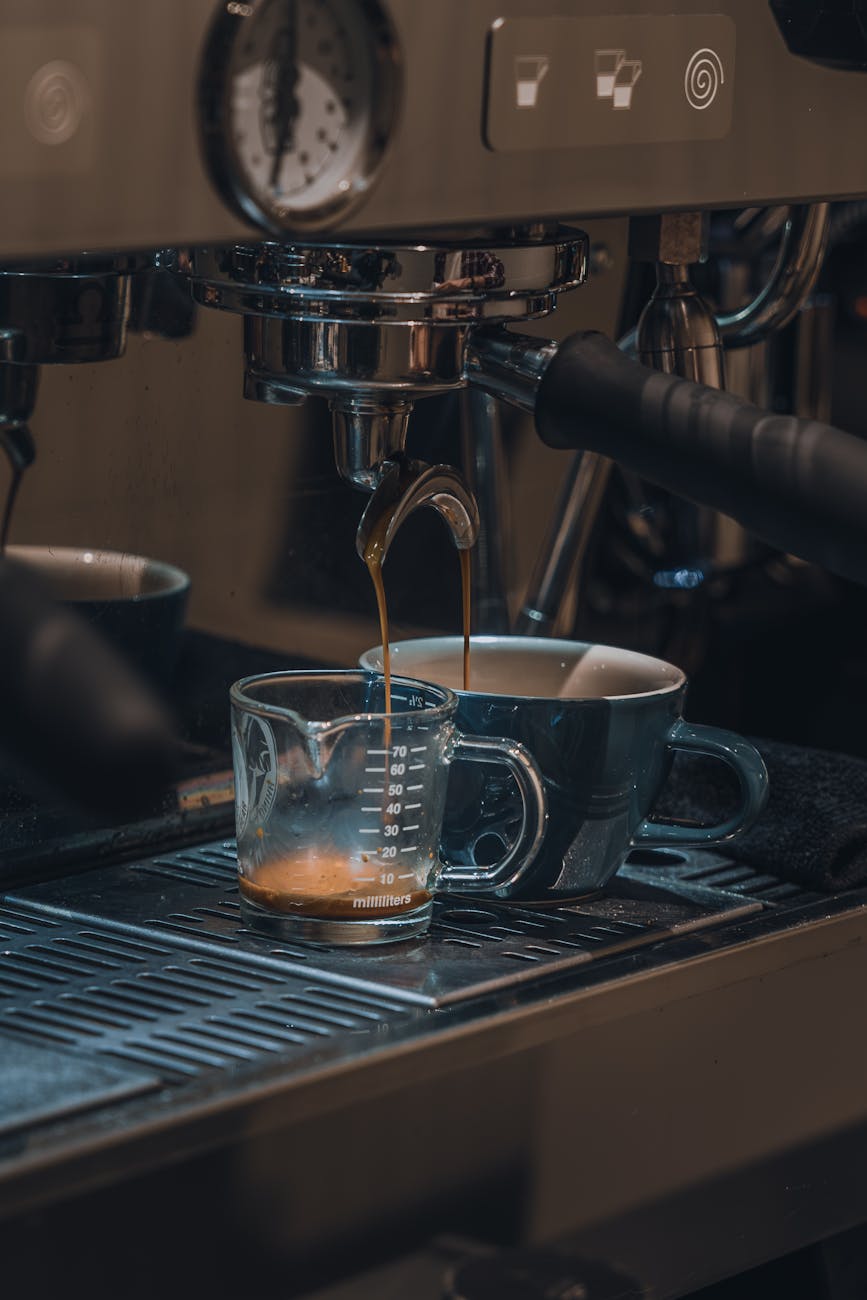
Espresso dialing in: How to adjust your recipe for dark vs light roasts
There’s nothing quite like a perfectly pulled shot of espresso. But there’s also nothing more frustrating than a shot that tastes disappointingly sour or brutally bitter. If you’ve ever switched from a classic Italian dark roast to a trendy single-origin light roast and used the same recipe, you’ve experienced this firsthand. The truth is, coffee isn’t just coffee. The roast level dramatically changes a bean’s physical and chemical properties, meaning a one-size-fits-all approach to espresso is destined for failure. This guide will walk you through the fundamental differences between dark and light roasts and provide you with the knowledge to adjust your espresso recipe, empowering you to extract delicious, balanced flavors from any bag of beans you bring home.
Understanding the roast profile’s impact
Before we can adjust our recipe, we need to understand why it’s necessary. The roasting process is a transformative journey for a coffee bean. A light roast and a dark roast are, on a cellular level, two very different things.
Light roasts are roasted for a shorter time at lower temperatures. This process preserves much of the bean’s original character, often resulting in bright, acidic, and complex flavor notes like fruit and flowers. Physically, these beans are very dense, less porous, and not oily on the surface. Because they are less developed, they are also less soluble, meaning it’s harder for water to extract the flavor compounds from them.
Dark roasts, on the other hand, are roasted longer and hotter. This caramelizes the sugars and brings oils to the surface, creating the classic bold, chocolatey, and nutty flavors many associate with coffee. This extended roasting process makes the beans more brittle, more porous, and far more soluble. They have expanded and lost density, making it much easier for water to penetrate and extract flavor. This core difference in solubility is the key to everything that follows.
Your espresso recipe toolkit: The key variables
To dial in any coffee, you need to master the interplay between a few key variables. Think of these as the levers you can pull to change the final taste in your cup. Understanding each one individually is the first step to understanding how they work together.
- Dose: This is the weight of your dry coffee grounds in the portafilter basket, measured in grams. A consistent dose is the foundation of a repeatable recipe.
- Yield: This is the weight of the liquid espresso in your cup, also measured in grams. The relationship between your dose and yield is called the brew ratio.
- Grind Size: Perhaps the most critical variable. A finer grind creates more surface area and more resistance for the water, slowing down the shot. A coarser grind does the opposite.
- Temperature: The temperature of the water used for brewing significantly affects which compounds are extracted.
- Time: This is the total duration of the shot, from the moment you start the pump to the moment you stop it. It’s more of an outcome of the other variables than a direct input, but it’s a crucial indicator of your extraction.
Changing one of these variables, like grind size, will directly impact another, like time. The art of dialing in is learning how to adjust them in harmony to achieve a balanced extraction, avoiding both the sourness of under-extraction and the bitterness of over-extraction.
Dialing in for dark roasts: Taming the bitterness
Since dark roast beans are highly soluble, our primary goal is to control the extraction to avoid pulling out the bitter, ashy flavors that come from over-extraction. We want to be gentle. Think less heat, less pressure, and less time.
A great starting point for a traditional dark roast is a lower brew ratio, such as 1:1.5 or 1:2. For an 18-gram dose, that means you’re aiming for a 27 to 36-gram yield. This shorter shot emphasizes the rich body and sweetness without giving the water enough time to extract the bitter compounds. To achieve this, you’ll use a relatively coarser grind. This allows the water to flow through more easily, helping you hit your target yield in a shorter time frame, typically between 20-28 seconds. Finally, lower your water temperature. Brewing between 88-92°C (190-198°F) is often ideal. The high solubility means you don’t need scorching hot water to get a good extraction; in fact, high temps can easily burn the coffee, leading to a harsh taste.
Mastering the light roast: Chasing the sweetness
Light roasts are the opposite challenge. These dense, less soluble beans fight you every step of the way, and the main enemy is under-extraction, which tastes intensely sour. To get a balanced and sweet shot, we need to do everything we can to help the water extract more from the coffee grounds.
This means we need to increase extraction. Start with a much finer grind than you would for a dark roast. This increases the surface area of the coffee and provides more resistance, giving the water more work to do and more time to do it. You’ll also want to use a longer brew ratio, often in the range of 1:2.5 or even 1:3. For an 18-gram dose, you could be looking for a yield of 45 to 54 grams. This extra water helps pull out those delicate, complex flavors. To make all this possible, you need more heat. A higher brewing temperature, typically 93-96°C (200-206°F), gives the water the energy it needs to penetrate the dense bean structure. Consequently, your shot times will naturally be longer, often falling in the 28-35 second range or even slightly beyond.
A comparative guide to starting points
Remember, every coffee is different, and your equipment plays a big role. These parameters are not rigid rules but rather informed starting points for your experimentation. Your palate is the ultimate judge. Use this table as a quick reference guide to begin your dialing-in process.
| Variable | Dark Roast (Starting Point) | Light Roast (Starting Point) | Rationale |
|---|---|---|---|
| Grind Size | Coarser | Finer | Controls flow rate. Dark roasts extract easily, so we slow it down. Light roasts are dense, so we increase surface area to help extraction. |
| Brew Ratio | 1:1.5 – 1:2 | 1:2.5 – 1:3 | Manages contact time and dilution. Shorter ratios for dark roasts prevent bitterness. Longer ratios for light roasts extract more sweetness to balance acidity. |
| Temperature | Lower (88-92°C / 190-198°F) | Higher (93-96°C / 200-206°F) | Affects solubility. Lower temps prevent scorching soluble dark roasts. Higher temps provide the energy needed to extract from dense light roasts. |
| Time | Shorter (20-28 sec) | Longer (28-35+ sec) | An outcome of the other variables. A general indicator of how the extraction is progressing. |
Conclusion: The journey to the perfect shot
Dialing in espresso is a craft where science meets sensory experience. The key takeaway is that roast level dictates a bean’s solubility, which should, in turn, dictate your entire approach. Dark roasts are forgiving and soluble; they require a gentler touch with lower temperatures, coarser grinds, and tighter ratios to prevent bitterness. Light roasts are dense and challenging; they demand a more aggressive extraction with higher temperatures, finer grinds, and longer ratios to overcome sourness and unlock their complex sweetness. By understanding these fundamental principles, you move beyond just following a generic recipe. You can now adapt, experiment, and confidently pull delicious, balanced espresso from any coffee bean, transforming frustration into a rewarding daily ritual.

 No products in the cart.