

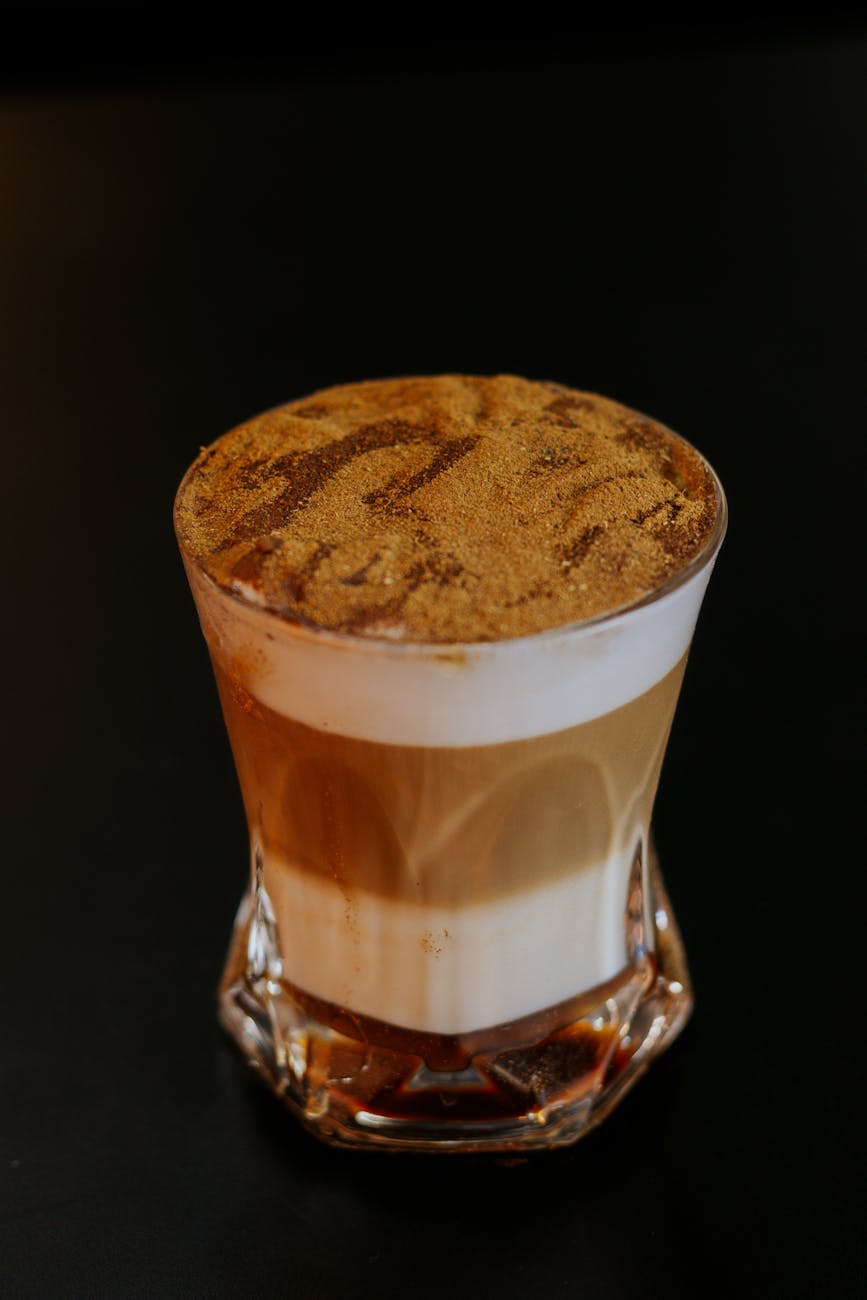
How to adjust espresso yield to improve cappuccino flavor balance
The perfect cappuccino is a delicate dance between the bold intensity of espresso and the creamy sweetness of steamed milk. Too often, however, this balance is off. You might craft a beautiful-looking drink only to find the coffee flavor is completely lost in a sea of milk, or worse, it’s harsh and bitter. Many home baristas focus on grind size and shot time but overlook the most powerful tool for tailoring flavor in milk-based drinks: the espresso yield. Adjusting the final weight of your espresso shot is the secret to transforming a mediocre cappuccino into a sublime one. This article will guide you through the process of manipulating your espresso yield to achieve a harmonious and delicious flavor balance every single time.
Understanding espresso yield and its impact on flavor
Before we can adjust our cappuccino, we first need to understand the core components of an espresso recipe. Most recipes are defined by three variables: the dose, the yield, and the time.
- Dose: This is the weight of dry, ground coffee you put in your portafilter. A typical double shot uses between 17-20 grams.
- Yield: This is the weight of the liquid espresso in your cup after extraction. This is the variable we will focus on adjusting.
- Time: This is the duration of the extraction, from the moment you start the pump until you stop it. A general ballpark is 25-35 seconds.
The relationship between the dose and the yield gives you your brew ratio. A 1:2 ratio is a very common starting point for espresso. This means for every 1 gram of coffee grounds, you extract 2 grams of liquid espresso. For an 18-gram dose, a 1:2 ratio would result in a 36-gram yield.
Changing this yield has a direct and dramatic effect on the espresso’s flavor and concentration. A shorter yield (e.g., a 1:1.5 ratio) results in a more concentrated, syrupy, and often sweeter shot known as a ristretto. A longer yield (e.g., a 1:2.5 ratio) produces a more diluted, less intense shot known as a lungo, which can highlight more delicate flavors but also risks introducing bitterness from over-extraction.
Why your straight espresso recipe might fail in a cappuccino
Many coffee enthusiasts dial in their grinder and espresso machine to pull a shot that tastes fantastic on its own. This shot might be bright, acidic, and have a complex, lingering finish. However, when you add 5-6 ounces of sweet, rich, steamed milk, those delicate characteristics can get completely lost or, in some cases, create an unpleasant flavor combination.
Steamed milk is naturally sweet due to lactose. This sweetness can do two things. First, it can overpower a delicate or under-bodied espresso, resulting in a drink that tastes like little more than hot milk. The coffee flavor is simply not strong enough to cut through. Second, the milk’s sweetness can clash with high acidity in an espresso. An espresso that tastes bright and citrusy on its own might taste sour or reminiscent of yogurt when combined with milk.
For a cappuccino, you generally want an espresso with enough body and intensity to stand up to the milk. You’re often looking for classic, complementary flavors like chocolate, caramel, and nuts to shine through. This often requires a different recipe than the one you would use for a straight espresso.
Dialing in your yield for the perfect cappuccino
Now for the practical part: adjusting your recipe. The goal is to manipulate the espresso yield to create a shot that is concentrated enough to complement the milk perfectly. Let’s assume your starting point is an 18g dose, yielding 36g of espresso in about 30 seconds (a 1:2 ratio).
First, make a cappuccino with this standard shot and taste it critically. What is the main issue? Is it weak, or is it bitter? Based on your diagnosis, you can make a targeted adjustment.
The most common problem is a weak, milky-tasting cappuccino. To fix this, you need to increase the concentration of your espresso. The solution is simple: decrease the yield. Instead of stopping the shot at 36g, stop it earlier, perhaps at 30g. This 1:1.7 ratio will produce a thicker, more syrupy shot with a powerful flavor profile that can easily cut through the milk, bringing forward rich chocolate and caramel notes.
If your drink tastes harsh or bitter, it could be a sign of over-extraction. This often happens when people try to get more “strength” by pulling a very long shot (e.g., 40g+). In this case, the fix is the same: decrease the yield. By pulling a shorter shot, you avoid extracting the bitter, astringent compounds that come at the end of the extraction process.
The following table provides a simple guide for troubleshooting:
| Cappuccino Flavor Issue | Diagnosis | The Fix: Adjust Espresso Yield | Example (18g Dose) | Desired Outcome |
|---|---|---|---|---|
| Weak & Milky | The espresso lacks the concentration and body to cut through the milk. | Pull a shorter shot (decrease yield). | Change from 36g out (1:2) to ~30g out (1:1.7). | A richer, more syrupy espresso that punches through the milk with notes of chocolate and caramel. |
| Harsh & Bitter | The espresso is likely over-extracted, pulling out astringent flavors that clash with the milk’s sweetness. | Pull a shorter shot (decrease yield). | Change from a long 40g+ shot (1:2.2+) to 36g out (1:2) or even shorter. | A sweeter, more balanced espresso that removes the harsh finish. |
| Sour & Unbalanced | The espresso is under-extracted. The sharp acidity isn’t balanced by sweetness. | This is more about overall extraction. Try a slightly shorter yield but grind finer to increase extraction. | Maintain a ~34g yield but tighten the grind to hit a 28-32 second shot time. | A shot with balanced acidity and enhanced sweetness that complements the milk. |
Note: When you shorten your yield, you may also need to grind slightly finer to maintain a similar shot time (25-35 seconds), ensuring the shot is still well-extracted and not sour.
Beyond yield: Other variables to consider
While yield is your primary tool, it works in concert with other factors. Once you are comfortable adjusting your yield, you can consider these other elements to further refine your cappuccino.
Coffee choice is paramount. Not all coffees are designed for milk. While a bright, floral Ethiopian coffee might make an incredible espresso, its delicate notes will likely be lost in a cappuccino. For milk-based drinks, look for medium to dark roast coffees with tasting notes of chocolate, nuts, caramel, or brown sugar. These flavors are a natural match for the sweetness of milk.
Your dose can also be adjusted. If you want an even more intense coffee flavor without changing the ratio, you can increase your dose (e.g., from 18g to 20g) while keeping the yield the same (e.g., 34g). This will create a more concentrated shot, but be aware you will need to adjust your grind size to accommodate the larger dose.
Finally, never underestimate the importance of milk quality and technique. Use fresh, cold whole milk for the best results. Steaming the milk correctly to create a smooth, velvety microfoam without overheating it is crucial. Properly steamed milk is incredibly sweet and will elevate your drink far more than milk that is scorched or has large, airy bubbles.
In conclusion, achieving the perfect cappuccino is less about finding a single “god shot” recipe and more about tailoring your espresso for its final purpose. Don’t be afraid to deviate from the standard 1:2 ratio that works so well for straight espresso. If your cappuccino tastes weak, the solution is almost always to pull a shorter, more concentrated shot by reducing the final yield. This small change boosts the espresso’s body and flavor intensity, allowing it to sing in harmony with the milk rather than being drowned out by it. By mastering the variable of yield, you empower yourself to troubleshoot effectively and consistently craft a balanced, rich, and deeply satisfying cappuccino that highlights the best qualities of both the coffee and the milk.

 No products in the cart.