

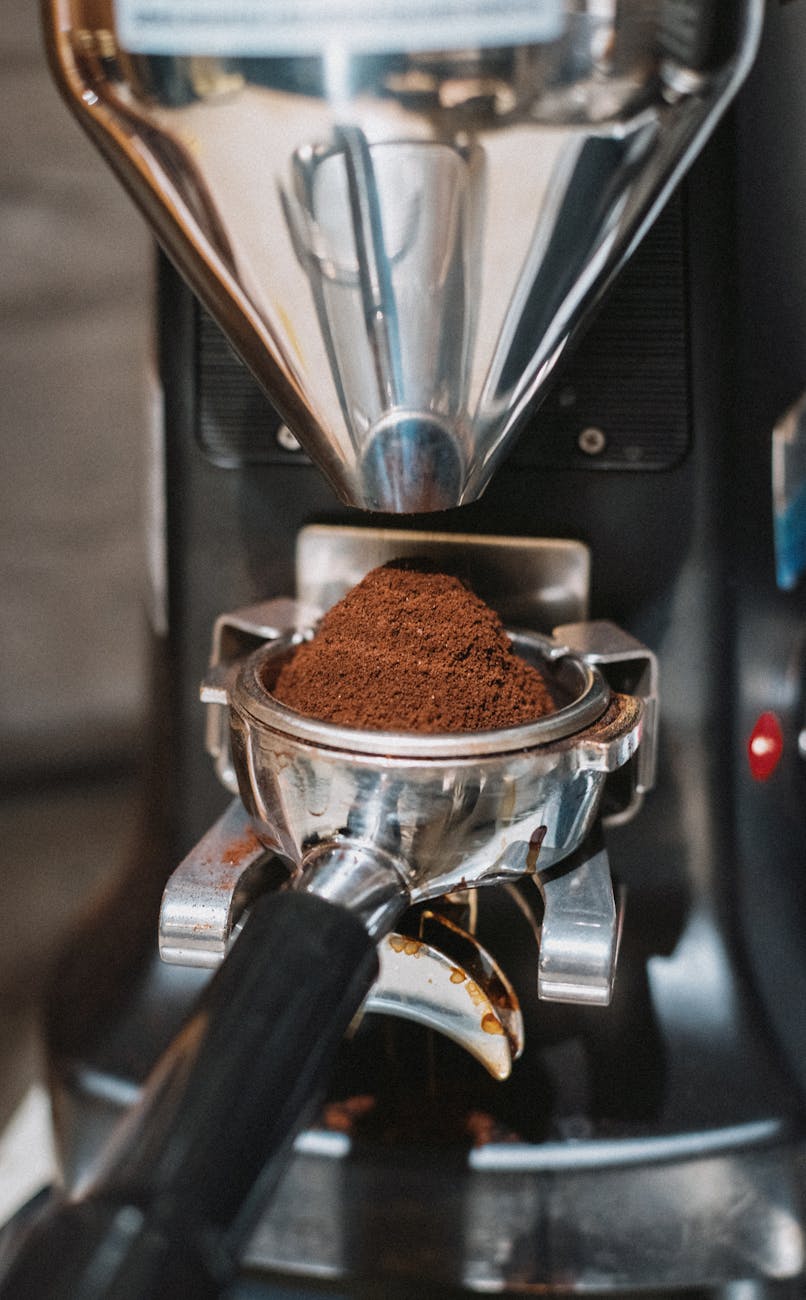
The quest for the perfect espresso shot is a journey filled with variables, from bean origin to water temperature. Yet, one of the most critical and often overlooked factors is the physical quality of your coffee grounds. We’re not just talking about the right size, but the right texture. Achieving light, fluffy, and clump-free grounds is the secret to unlocking flawless puck saturation. When your coffee bed is uniform, water can flow through it evenly, preventing channeling and ensuring a balanced, full-flavored extraction. This article will guide you through the essential tools, techniques, and knowledge needed to transform your dense, clumpy grounds into a fluffy foundation for a truly exceptional espresso shot every single time.
The foundation: Why your grinder matters most
Before we can discuss techniques, we must start at the source: your coffee grinder. No amount of puck preparation can fully compensate for an inconsistent or poor-quality grind. The grinder is not just an accessory; it is arguably the most important piece of equipment in your espresso setup. The goal is to produce coffee particles of a relatively uniform size, and this is where the distinction between grinder types becomes crucial.
Blade grinders, which use a spinning blade to smash beans into pieces, produce a wide and chaotic range of particle sizes, from large chunks to dust-like “fines.” This inconsistency makes even water flow impossible. For espresso, a burr grinder is non-negotiable. Burr grinders use two revolving abrasive surfaces to crush beans into a consistent size.
Within burr grinders, you’ll find two primary types:
- Conical burrs: These grinders feature a cone-shaped inner burr that rotates inside a ring-shaped outer burr. They are often lauded for their lower heat retention and are excellent for producing espresso with a rich body. However, they can sometimes produce a slightly wider particle distribution, which may be less inherently “fluffy.”
- Flat burrs: Featuring two parallel, ring-shaped burrs, this design is renowned for producing a highly uniform (unimodal) particle size. This uniformity is the key to creating a truly light and fluffy bed of coffee, minimizing the number of fines that can cause compaction and clumping. For the fluffiest possible grounds, a well-aligned flat burr grinder is often considered the gold standard.
Ultimately, a high-quality burr grinder provides the consistent foundation upon which all other techniques are built. It’s the first and most significant step toward better puck saturation.
Controlling the variables: Static and grind retention
Once you have a capable grinder, the next challenge is managing the physical forces that work against fluffiness: static electricity and grind retention. As coffee beans are shattered, the friction generates a static charge, causing the grounds to cling to each other and the grinder’s surfaces. This results in clumping in the portafilter and a messy workspace. Similarly, grind retention—where old grounds get stuck in the grinder chute—can lead to stale coffee in your fresh shot and contribute to clumping.
Fortunately, there is a simple yet incredibly effective technique to combat static: the Ross Droplet Technique (RDT). This involves adding a minuscule amount of water to your beans before grinding. A light spritz from a small spray bottle onto your dose of whole beans is all it takes. The moisture helps dissipate the static charge generated during grinding, allowing the grounds to fall freely and cleanly from the chute. The result is a noticeably fluffier, less clumpy pile of coffee in your portafilter.
A word of caution: Use RDT sparingly. Too much water can cause grounds to stick to the burrs and create a muddy mess, potentially leading to rust on some grinders. One or two light mists is more than enough to neutralize the static without introducing excess moisture.
Perfecting the puck: The art of distribution
Even with a top-tier grinder and perfect static control, the grounds won’t fall into your portafilter basket in a perfectly even layer. They will form a mound, with some areas denser than others. Tamping this uneven bed will lock in those inconsistencies, creating high- and low-density channels for water to exploit. This is where puck preparation, specifically distribution, becomes essential for achieving a homogenous and fluffy coffee bed.
The most effective method for this is the Weiss Distribution Technique (WDT). This technique involves using a tool with several very fine needles (such as acupuncture needles or 3D-printed tools) to stir the grounds in the portafilter. The motion should be a combination of raking and circular stirring, working from the bottom of the basket to the top. This action accomplishes two critical things:
- It breaks up any remaining clumps that formed during grinding or transfer.
- It evenly distributes the coffee particles throughout the entire basket, eliminating dense spots.
After a thorough WDT, the coffee bed should look perfectly level, light, and uniform. This fluffy, homogenous state is the ideal canvas for a firm, level tamp. By creating an evenly resistant path for the water, you are setting the stage for perfect puck saturation and a delicious, channel-free extraction.
Putting it all together: A summary of techniques
Achieving fluffy grounds is not about a single magic bullet but a systematic approach to controlling variables at each stage of the process. From bean selection to final distribution, each step builds upon the last. For example, lighter roasted beans are harder and tend to produce more fines and static, making RDT and WDT even more critical. Conversely, very dark, oily roasts can clump due to the surface oils, so a thorough distribution is key.
It’s also vital to maintain your equipment. A dirty grinder with burrs caked in old coffee oils will contribute to clumping and impart stale flavors. Regular cleaning ensures your grinder performs optimally and your grounds are as fresh and fluffy as possible. By understanding how each element interacts, you can create a reliable workflow for consistent results.
Here is a quick reference table summarizing the key techniques and their impact:
| Technique or Tool | Primary Goal | Impact on Grind Fluffiness |
|---|---|---|
| High-Quality Burr Grinder | Create uniform particle size | High |
| Ross Droplet Technique (RDT) | Eliminate static electricity | High |
| Weiss Distribution Technique (WDT) | Break up clumps and distribute grounds evenly | Very High |
| Regular Grinder Cleaning | Remove old grounds and oil buildup | Medium |
The journey from bean to perfectly saturated puck is one of precision and care. By focusing on creating fluffy, evenly distributed grounds, you are directly addressing the root cause of channeling and uneven extractions. It begins with investing in a quality burr grinder capable of producing uniform particles. From there, you refine your process by incorporating techniques like the Ross Droplet Technique to eliminate static and the Weiss Distribution Technique to de-clump and homogenize the coffee bed. Each step is a deliberate action to give the water an unobstructed, uniform path through the coffee. This meticulous preparation is what separates a good espresso from a great one, ensuring every shot you pull is balanced, rich, and truly repeatable.

 No products in the cart.