

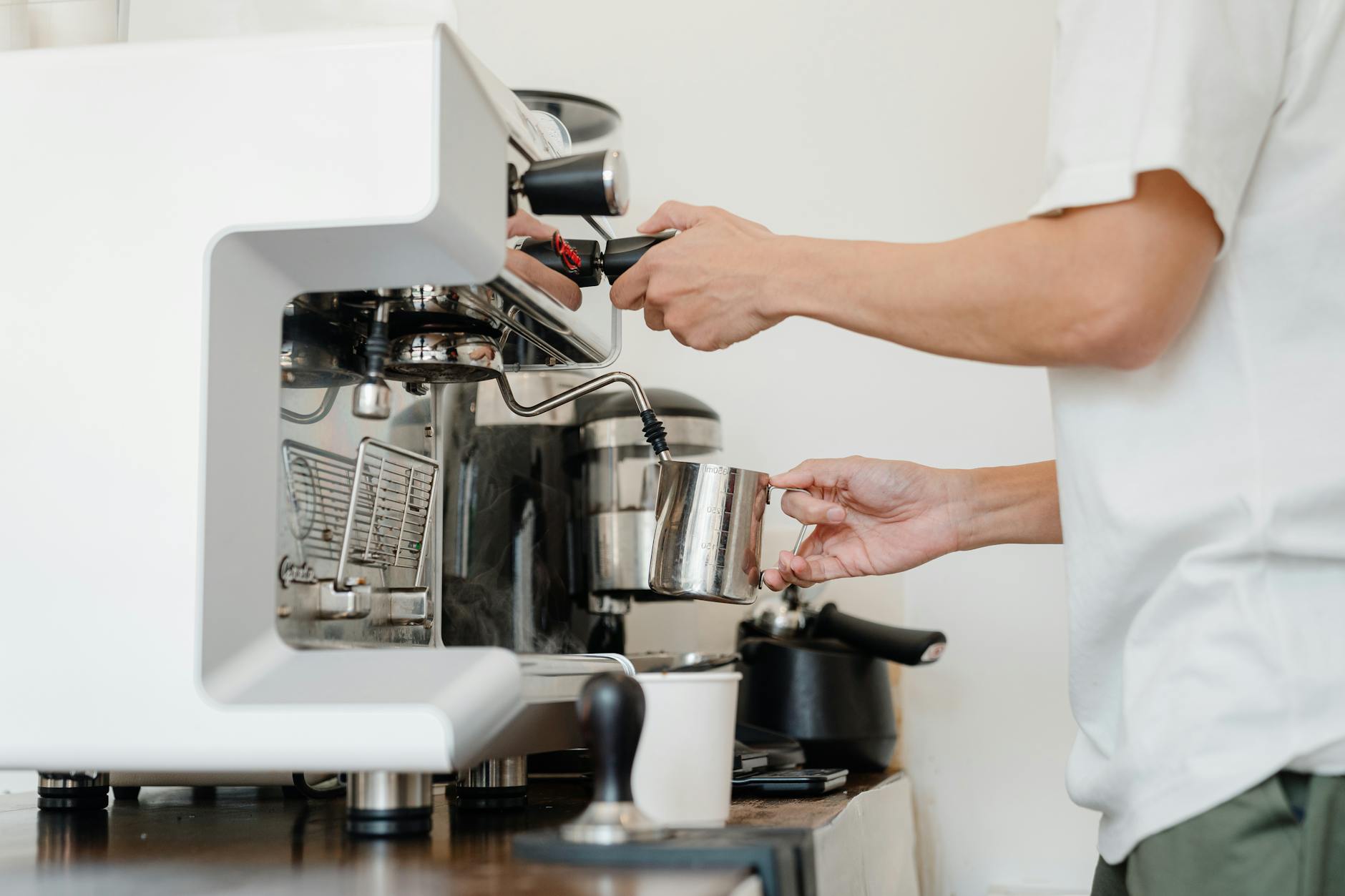
The Profitec Go has earned its reputation as a fantastic entry point into the world of prosumer espresso, offering precision and quality in a compact package. As a single-boiler machine, it’s a capable performer, but many new owners find that taming its steam wand requires a bit of a learning curve. Achieving that silky, glossy microfoam perfect for latte art isn’t just about flicking a switch; it’s about technique. This article is your detailed guide to understanding the nuances of the Profitec Go’s steam system. We will walk you through preparation, a step-by-step steaming process, and troubleshooting common issues, helping you transform your bubbly, foamy milk into the velvety-smooth texture you see in your favorite cafes.
Understanding the Profitec Go’s steam system
Before you even pick up your milk pitcher, it’s crucial to understand the machine you’re working with. The Profitec Go is a single-boiler espresso machine. This means the same boiler is used for both brewing espresso and creating steam, just at different temperatures. To steam, you must engage the steam mode, which tells the boiler to heat the water to a much higher temperature to produce steam pressure. This design choice is what makes the machine compact and affordable, but it also dictates the workflow.
Unlike larger, more expensive machines, you cannot brew and steam simultaneously. After pulling your shot, you’ll flip the steam switch and wait a short period—typically under a minute—for the boiler to reach steam temperature (around 135°C or 275°F). The Profitec Go is known for having robust steam power for its class, partly thanks to its standard single-hole steam tip. This tip concentrates the steam into a single, powerful jet, which is excellent for creating a strong vortex or whirlpool in your milk. This vortex is the key to incorporating air evenly and breaking down bubbles into the silky microfoam we’re aiming for.
Preparation is key: Your pre-steaming checklist
Great milk foam starts well before steam ever touches the milk. Rushing this stage is a common mistake that leads to poor results. Following a consistent preparation routine will give you more time and control during the actual steaming process, which happens very quickly.
- Start with cold milk in a cold pitcher. This is non-negotiable. The colder your milk and pitcher are, the longer you have to work with the milk before it reaches its final temperature (around 65°C / 150°F). This extra time is invaluable for stretching and texturing. We recommend using whole milk for learning, as its higher fat and protein content makes it more forgiving. For non-dairy, use a “barista edition” alternative designed for steaming.
- Choose the right size pitcher. Use a pitcher that is roughly double the volume of the milk you need. For a single latte, pouring about 150-180ml (5-6oz) of milk into a 350ml (12oz) pitcher is ideal. This gives the milk enough room to expand and roll without overflowing.
- Purge the steam wand. After the machine is up to steam temperature, open the steam valve for a couple of seconds before putting the wand in your milk. This crucial step purges any condensed water that has collected in the wand, ensuring you are hitting your milk with powerful, dry steam from the very start.
The two-phase steaming technique
Steaming milk is not one continuous action but a process of two distinct phases: stretching (aeration) and rolling (texturing). With the Profitec Go’s powerful steam, these phases happen quickly, so focus is essential.
Phase 1: Stretching the milk
This is where you introduce air. Submerge the steam tip just below the surface of the milk, positioning it slightly off-center. Open the steam valve fully. You are looking for a distinct “tiss-tiss-tiss” or tearing paper sound. This is the sound of air being pulled into the milk. Only keep the tip in this position for a few seconds—just long enough to increase the volume by about 20-30%. The pitcher should still feel cold to the touch at the end of this phase. If you introduce too much air, or introduce it when the milk is already warm, you will end up with stiff, bubbly foam.
Phase 2: Rolling the milk
Once you’ve introduced enough air, submerge the steam wand a little deeper into the milk, still keeping it off-center. The goal now is to stop introducing air and start texturing. Angle the pitcher to create a strong vortex or whirlpool. This motion is critical: it folds the air you just introduced into the milk, breaking down large bubbles into a homogenous, silky microfoam. Hold this position until the side of the pitcher becomes too hot to comfortably hold. Immediately turn off the steam valve before removing the wand from the milk. Give the pitcher a firm tap on the counter to pop any remaining large bubbles and swirl the milk to keep it integrated and glossy.
Troubleshooting common milk steaming problems
Even with the right technique, things can go wrong. Consistency comes from understanding what causes common issues and how to correct them. Here is a quick guide to diagnosing and fixing your milk foam.
| Problem | Likely Cause | Solution |
|---|---|---|
| Big, soapy bubbles | Too much air was introduced, or it was introduced for too long (i.e., when the milk was already warm). | Shorten the stretching phase. Submerge the wand deeper into the milk sooner to begin the rolling phase. Focus on creating a better vortex to break down existing bubbles. |
| Hot milk, but thin and watery | Not enough air was introduced during the stretching phase. The wand was likely submerged too deeply from the start. | Keep the steam tip closer to the surface at the beginning. Listen for that “tiss-tiss-tiss” sound and watch for a small increase in volume before submerging the wand. |
| Loud, screeching noise | The steam wand is positioned too deep or is pressed against the bottom or side of the pitcher. | Adjust the wand’s position. Pull it up slightly and ensure it’s in the main body of the milk, not touching the metal of the pitcher. |
| Milk separates quickly after steaming | The milk was overheated, or it was not integrated properly during the rolling phase. | Stop steaming as soon as the pitcher is too hot to touch. After steaming, immediately swirl the pitcher continuously until you are ready to pour to keep the foam and milk combined. |
Mastering the Profitec Go steam wand is a rewarding skill that elevates your home espresso experience from good to exceptional. Remember that success lies in a methodical approach. It begins with solid preparation—using cold milk and a cold pitcher, and always purging the wand. The core of the technique is the two-phase process: a short, controlled stretch to introduce air, followed by a longer rolling phase to create a silky vortex. By paying attention to sound, temperature, and visual cues, you can gain precise control over the final texture. Don’t be discouraged by initial failures; every pitcher is a learning opportunity. With practice and attention to these details, you will unlock your machine’s full potential and be pouring beautiful, cafe-quality latte art in no time.
 No products in the cart.