

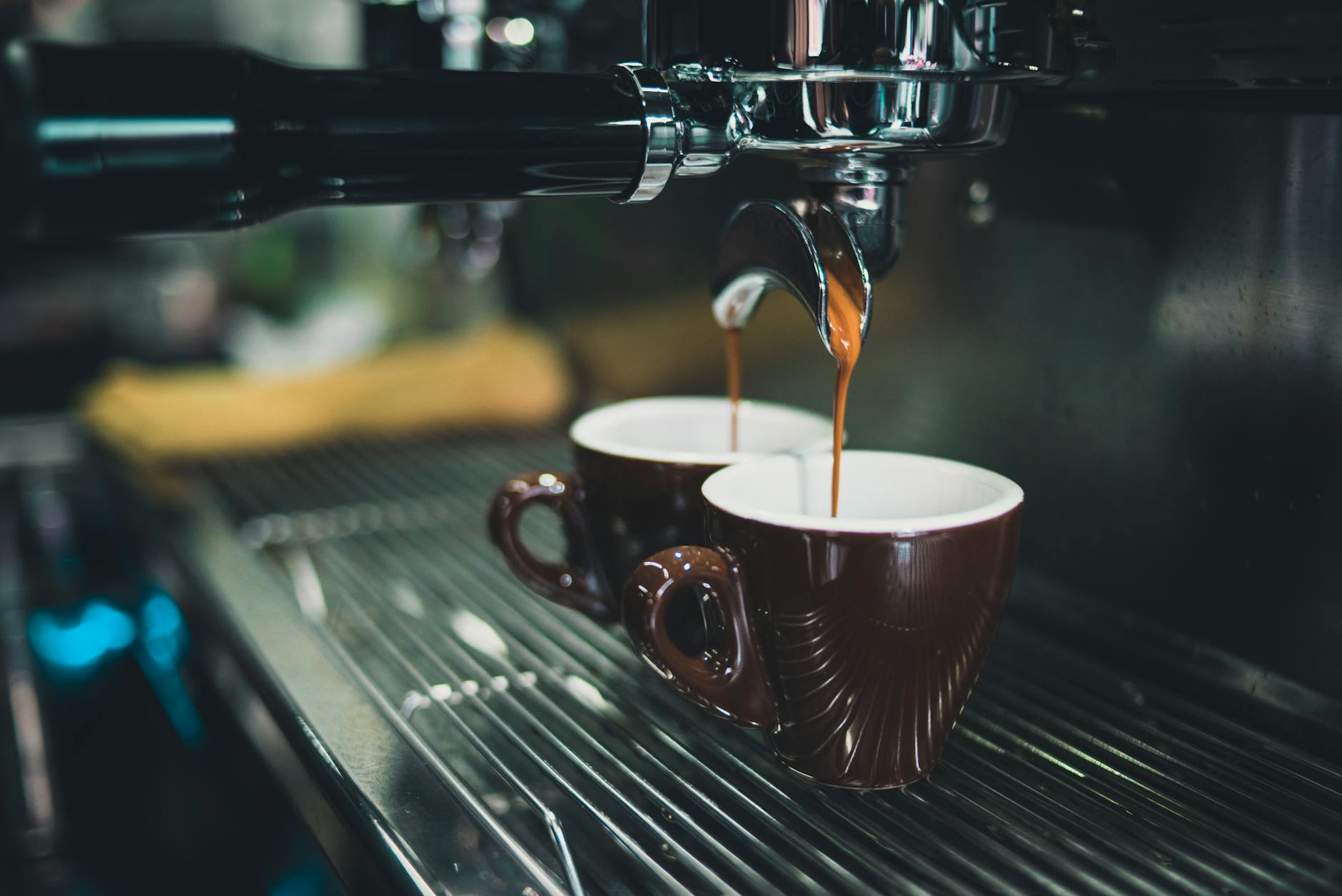
Tired of lukewarm coffee? How to get a hotter espresso shot from your automatic machine
There’s little that’s more disappointing for a coffee lover than anticipating a rich, steaming hot espresso only to be met with a lukewarm shot. Fully automatic espresso machines are marvels of convenience, delivering a quality brew at the touch of a button. However, this convenience can sometimes come at the cost of temperature. If you find your daily coffee lacking that satisfying heat, you’re not alone. The good news is that you don’t have to settle for a tepid cup. This guide will walk you through several practical and effective methods, from simple pre-heating rituals to mastering your machine’s settings, to ensure every espresso shot you pull is perfectly and consistently hot, unlocking its full flavor and aroma.
Why your automatic machine might be struggling with heat
Before diving into the solutions, it helps to understand why your super-automatic machine might not be delivering the piping hot espresso you crave. Unlike commercial-grade machines that use large, heavy boilers to keep water at a stable, high temperature, most home automatic machines use a thermoblock or a thermocoil. These systems are designed to heat water on demand, which is faster and more energy-efficient. However, this speed can be a double-edged sword.
The water is heated as it passes through the system, meaning the internal components, like the brew group and delivery spout, start cold. As the hot water travels through these cool parts, it can lose several degrees of heat before it even hits your cup. Furthermore, the machine is programmed to brew at a temperature that extracts coffee well without scalding the grounds, which is often slightly below boiling. This combination of on-demand heating and a cold path is the primary reason for a less-than-hot final product.
Mastering your machine’s built-in settings
Your first line of defense is the machine itself. Most modern fully automatic espresso makers offer a degree of temperature control, although it might be buried in a settings menu. It’s time to dust off that user manual and become familiar with your machine’s capabilities. Look for a setting specifically for “coffee temperature” or “brewing temperature.”
- Adjust the temperature: You will typically find options like “low,” “medium,” “high,” or “maximum.” As your goal is a hotter shot, immediately set this to the highest possible option. Don’t worry about burning the coffee; these machines have built-in limits to prevent that. This single adjustment can make the most significant difference.
- Consider other settings: While less direct, other settings can have a minor impact. For example, some machines link temperature to coffee strength. A stronger setting might engage the heater for a fraction longer. Experiment with these to see if they influence the final temperature in your specific model.
Consulting your manual is key here, as the process for changing these settings varies wildly between brands like De’Longhi, Jura, Saeco, and Philips.
The non-negotiable step: Pre-heating everything
Once you’ve optimized your machine’s settings, the next critical step is to pre-heat every surface the coffee will touch. Remember how the cold internal parts steal heat from the water? You can easily solve this by actively warming them up before you brew.
The process is simple but incredibly effective:
- Warm the machine’s internals: Before you pull your first espresso shot, run a “blank” shot. This means running a hot water cycle or a brewing cycle without any coffee. This sends hot water through the entire system, from the thermoblock through the brew group and out the spouts, warming everything up to an optimal temperature.
- Heat your cup: This is perhaps the most overlooked but impactful trick. A thick, cold ceramic mug can instantly sap the heat from your espresso, dropping its temperature by 10-15 degrees on contact. To prevent this, fill your cup with hot water from your kettle or the machine’s hot water spout. Let it sit for a minute while you prepare everything else, then dump the water out just before you brew. Your pre-heated cup will preserve the espresso’s heat, keeping it hotter for longer.
Long-term heat performance: The importance of maintenance
If you’ve tried the tips above and still find your coffee temperature lacking, or if your machine used to produce hotter coffee than it does now, the issue may be internal buildup. Over time, mineral deposits from your water, known as limescale, can form a crust on the machine’s heating element. This scale acts as an insulator, making it much harder for the thermoblock to transfer heat to the water effectively.
Regular descaling is not just a suggestion; it’s essential for maintaining your machine’s performance and longevity. Most machines will alert you when it’s time to descale. Do not ignore this prompt. Using the manufacturer-recommended descaling solution and following the procedure will strip away these mineral deposits, allowing your heating element to work at peak efficiency again. A clean, well-maintained machine is a machine that can produce consistently hot water, and therefore, a hotter espresso.
| Technique | Impact on Temperature | How to Do It |
|---|---|---|
| Adjust machine settings | High | Access the menu and set coffee temperature to “High” or “Maximum.” |
| Pre-heat the machine | Medium-High | Run a hot water cycle or a blank coffee shot before brewing. |
| Pre-heat your cup | Medium | Fill your mug with hot water and let it sit for a minute before use. |
| Regular descaling | High (Long-Term) | Follow your machine’s descaling procedure when prompted. |
Conclusion: Your path to a perfectly hot espresso
Achieving that satisfyingly hot espresso shot from your fully automatic machine is not only possible, but it’s also quite simple. It doesn’t require any expensive upgrades or complicated hacks. By taking a comprehensive approach, you can easily overcome the inherent challenges of on-demand heating systems. Start by diving into your machine’s settings and selecting the highest temperature option available. Make the crucial steps of pre-heating both the machine’s internal components and your coffee cup a non-negotiable part of your daily routine. Finally, commit to regular maintenance, especially descaling, to ensure your machine performs as well as it did on day one. By combining these easy-to-implement strategies, you’ll transform a lukewarm coffee into a rich, aromatic, and perfectly hot espresso every single time.
 No products in the cart.