

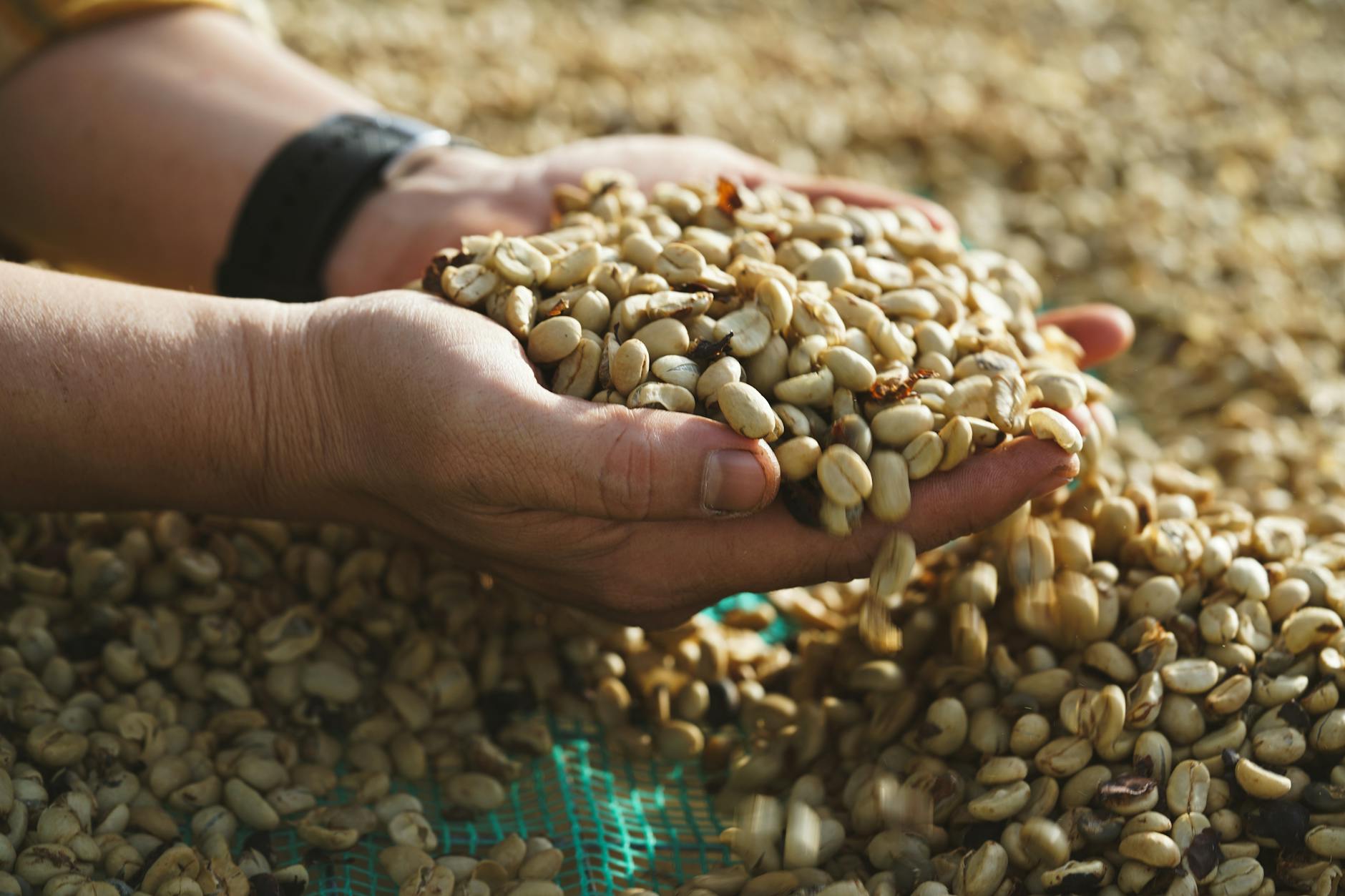
Beyond the grind: How bean varietal influences espresso extraction yield
For many coffee professionals and home enthusiasts, mastering espresso is a quest centered on variables like grind size, dose, water temperature, and pressure. We tweak these parameters endlessly in pursuit of the perfect shot. However, one of the most fundamental variables is often overlooked: the coffee bean itself. Specifically, the bean’s varietal, its unique genetic makeup, plays a monumental role in determining its extraction potential. Understanding how different varietals behave during extraction is the key to unlocking their full flavor potential. This article will delve into the science behind how a bean’s physical and chemical properties, dictated by its varietal, directly influence the final extraction yield and, ultimately, the taste in your cup.
What is extraction yield and why does it matter?
Before we explore the influence of varietals, we must first define our key metric: extraction yield (EY). In simple terms, extraction yield is the percentage of the dry coffee grounds’ mass that has dissolved into the brewing water. For example, if you start with 20 grams of coffee and your final espresso shot contains 4 grams of dissolved coffee solids, your extraction yield is 20%.
Why is this number so important? It directly correlates to flavor. The coffee industry generally accepts an ideal EY range for espresso to be between 18% and 22%.
- Under-extraction (below 18%): When not enough soluble compounds are pulled from the coffee, the resulting shot is often sour, salty, and lacks sweetness and complexity. This is because the initial compounds to dissolve are primarily acids.
- Over-extraction (above 22%): When too many compounds are dissolved, the shot becomes harsh, bitter, and astringent. This happens as the less desirable, more challenging to dissolve compounds are stripped from the coffee grounds.
Achieving a balanced, sweet, and flavorful espresso means landing in that ideal 18-22% window. While brew recipes are our tools to control this, the coffee bean’s varietal sets the inherent difficulty level for the entire process.
The physical blueprint: Bean density and size
One of the most significant ways varietals differ is in their physical structure, primarily their density and size. These traits are heavily influenced by the altitude and climate where the varietal thrives. For instance, a high-altitude Ethiopian Heirloom or Geisha varietal will typically be smaller and much denser than a lower-altitude Brazilian Catuai.
This density is a direct result of the bean maturing slowly in cooler temperatures, which creates a more compact and complex cellular structure. So how does this affect extraction?
A denser bean is less porous and has a stronger cellular wall. This makes it physically more resistant to water penetration and the dissolution of its soluble compounds. It is, in essence, less soluble by nature. To achieve an ideal extraction yield from a very dense bean, a barista must work harder. This often involves:
- Grinding finer: This increases the total surface area of the coffee particles, giving water more access to the soluble compounds inside.
- Increasing water temperature: Hotter water has more energy and can more effectively break down and dissolve coffee solids.
- Extending pre-infusion or shot time: Allowing more contact time can help coax out the flavors from a resistant coffee bed.
Conversely, a less dense, more porous varietal extracts much more easily. Using the same aggressive techniques on a softer bean would likely lead to rapid over-extraction and a bitter, unpleasant shot.
The chemistry of solubility
Beyond physical structure, the inherent chemical composition of a bean varietal dictates its extraction potential. Every coffee bean is a complex package of lipids, carbohydrates (sugars), organic acids, alkaloids (like caffeine), and other compounds. The relative concentration of these components varies from one varietal to another.
The compounds we target for a delicious espresso are primarily the water-soluble ones: sugars and acids. Different varietals have different levels of these desirable compounds. For example, a Pacamara varietal might have a different profile of organic acids than a Bourbon. This genetic predisposition means that even if two different varietals had the exact same density, they would still have different maximum extraction potentials and would taste different at the same EY percentage.
Solubility is the name of the game. A varietal with a higher concentration of easily soluble sugars will naturally lend itself to a higher extraction yield with less effort, often resulting in a sweeter cup. A varietal whose flavor compounds are more tightly bound within the cellular structure requires a more carefully tailored approach to unlock them without also pulling out unwanted bitterness. This is why a roaster’s profile is also critical; roasting makes coffee more brittle and soluble, but the bean’s inherent potential is set by its genetics.
Practical adjustments for different varietals
Understanding the theory is one thing; applying it to your espresso machine is another. The key takeaway is that you cannot use a single, static recipe for every coffee. You must adapt your approach based on the characteristics of the varietal you are using. A recipe that produces a beautiful 20% EY with a soft Brazilian coffee might only yield a sour 16% EY with a dense Kenyan bean.
Let’s compare how you might approach two different beans:
| Characteristic | High-Density Varietal (e.g., Kenyan SL28) | Low-Density Varietal (e.g., Brazilian Catuai) |
|---|---|---|
| Typical Growing Altitude | High (1700m+) | Low to Medium (800m – 1200m) |
| Bean Hardness/Porosity | Very hard, less porous | Softer, more porous |
| Inherent Solubility | Lower | Higher |
| Grind Size Adjustment | Finer (to increase surface area) | Coarser (to prevent channeling and over-extraction) |
| Water Temperature | Standard to slightly higher (e.g., 94-96°C) | Standard to slightly lower (e.g., 92-94°C) |
| Potential Challenge | Under-extraction, sourness | Over-extraction, bitterness |
By recognizing the varietal’s likely characteristics, you can make informed starting adjustments. For the dense Kenyan bean, you anticipate its resistance to extraction and immediately opt for a finer grind. For the porous Brazilian bean, you know it will give up its flavors easily, so you start with a coarser grind to control the flow rate and avoid pulling out too much too quickly.
Conclusion
In the complex world of espresso, the bean varietal is not just a footnote on a bag; it is the very foundation upon which a successful extraction is built. We’ve seen how a varietal’s genetic destiny influences its physical density and chemical makeup, which in turn dictates its inherent solubility. A dense, high-altitude Geisha resists extraction differently than a soft, porous Catuai. Ignoring these differences and applying a one-size-fits-all recipe is a surefire way to miss the unique potential of each coffee. By understanding these principles, you can move beyond simply following numbers and begin to truly partner with your coffee, adjusting your technique to highlight the specific qualities of each varietal for a more delicious and consistent result.


 No products in the cart.