

How bean freshness affects the crema in fully automatic espresso
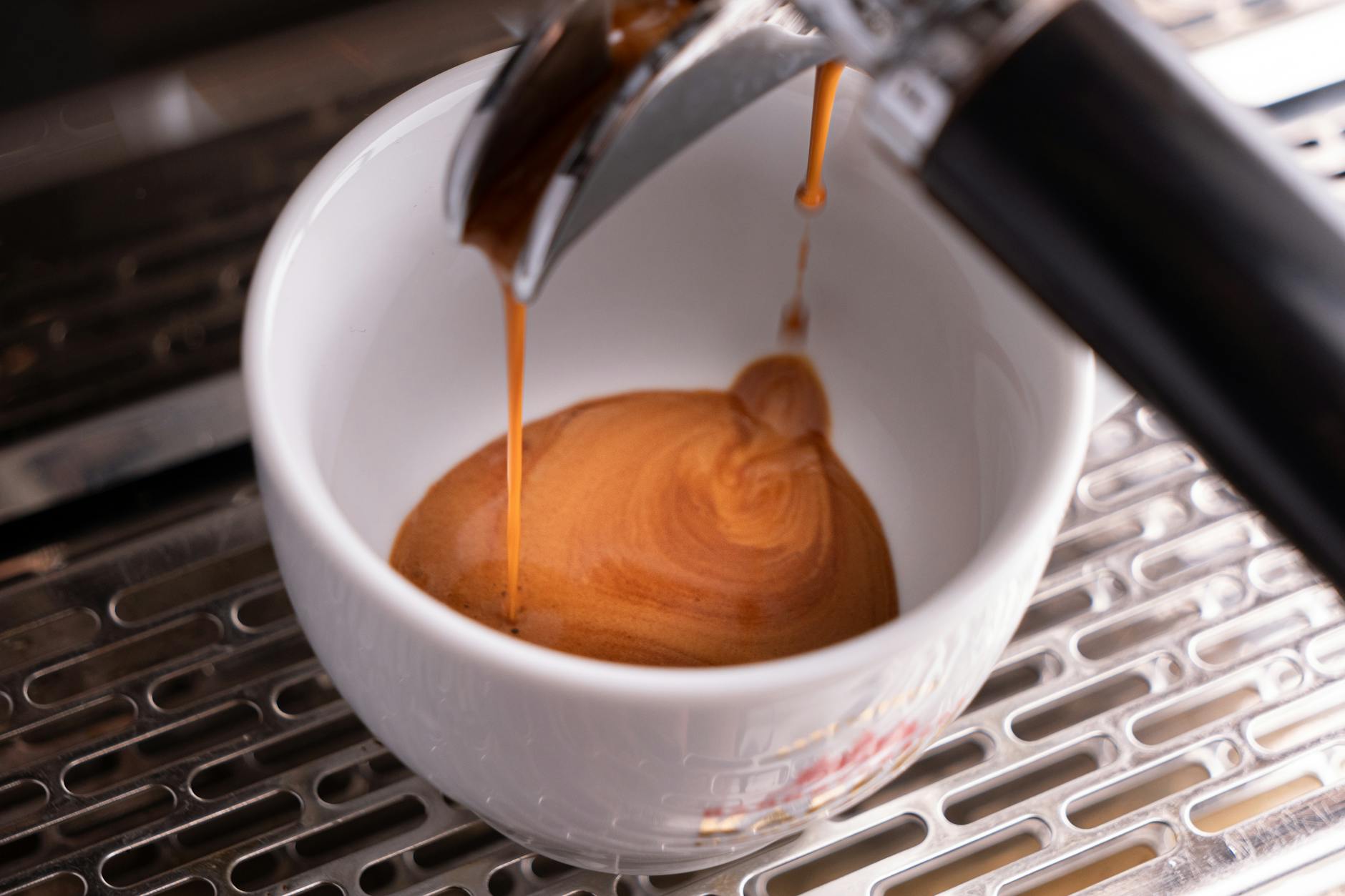
That beautiful, reddish-brown layer floating atop a freshly pulled espresso shot is more than just a pretty foam. It’s called crema, and for many coffee lovers, it’s the hallmark of a perfect extraction. If you’ve invested in a fully automatic espresso machine, you expect that rich, velvety crema with every cup. Yet, sometimes it falls flat—thin, bubbly, or gone in a flash. While machine settings play a role, the most common culprit is often overlooked: the freshness of your coffee beans. This article will delve into the science behind crema, explaining why fresh beans are the secret ingredient and how the age of your coffee directly impacts that coveted layer, turning your home coffee into a true café-quality experience.
What exactly is espresso crema?
Before we can understand how freshness affects it, we need to clarify what crema is. It’s not simply air bubbles. Crema is a complex and delicate emulsion created when hot, high-pressure water is forced through a finely-ground puck of coffee. This intense process emulsifies the natural oils within the coffee beans, suspending them in a layer of microscopic bubbles of carbon dioxide (CO2). It also contains suspended coffee solids and melanoidins, which are compounds formed during the roasting process that contribute to the color and flavor.
Think of it as the signature of a well-made espresso. A good crema should be:
- Thick and persistent: It shouldn’t disappear within a minute.
- Fine-textured: Composed of tiny, compact bubbles, not large, soapy ones.
- Rich in color: Typically a hazelnut to reddish-brown, sometimes with darker “tiger-striping” patterns.
This layer isn’t just for looks. It contributes significantly to the sensory experience of the espresso, offering a smoother, fuller mouthfeel and trapping aromatic compounds that are released as you drink.
The vital role of carbon dioxide in creating crema
The single most important gas for creating crema is Carbon Dioxide (CO2). When green coffee beans are roasted, a series of complex chemical reactions occur. Sugars and amino acids caramelize, oils are developed, and a significant amount of CO2 gas is created and trapped within the bean’s cellular structure. This trapped gas is the engine of crema production.
When your fully automatic machine grinds these beans and forces hot water through them at 9 bars of pressure or more, this CO2 is violently released. Under this pressure, the gas is unable to escape as large bubbles. Instead, it dissolves into the water and combines with the coffee’s oils to form a super-saturated liquid. As this liquid exits the portafilter and returns to normal atmospheric pressure, the CO2 comes out of the solution, forming the millions of tiny, stable bubbles that make up the crema. Without sufficient CO2, you simply cannot create a rich, lasting emulsion, no matter how good your machine is.
The timeline of freshness: From roast to stale
The amount of CO2 in a coffee bean is not static; it begins to decrease the moment the roasting process ends. This process is called de-gassing, and understanding its timeline is key to perfecting your crema.
A “best by” date on a coffee bag is often meaningless for espresso quality. What you need to look for is a “roasted on” date. This date is your starting point for the freshness clock.
Here’s a general guide to how bean age affects crema potential:
| Time Since Roast Date | CO2 Level & Crema Quality | Flavor Notes |
|---|---|---|
| 1-3 Days | Too much CO2. The crema will be overly aggressive, pale, and bubbly. It will dissipate very quickly as the large gas bubbles pop. | Harsh and “gassy.” The flavors haven’t had time to mature and balance. |
| 4-21 Days | The sweet spot. Ideal CO2 levels for a thick, rich, and persistent crema with a fine texture. This is peak freshness for espresso. | Flavors are fully developed, balanced, and vibrant. This is the intended taste profile. |
| 1 Month+ | Significant CO2 loss. The crema will be noticeably thinner, lighter in color, and will disappear quickly. | Flavors begin to flatten out. Delicate aromatic notes are lost. |
| 3 Months+ | Stale. Very little CO2 remains. Crema will be virtually non-existent, thin, or just a few sad bubbles on the surface. | Flavor is woody, papery, and bland. The natural coffee oils have begun to go rancid, imparting a bitter taste. |
Tips for maximizing crema with your automatic machine
Now that you understand the science, achieving great crema is about practical application. Your high-tech machine can only work with the ingredients you provide it. To give it the best chance of success, you need to focus on the beans.
1. Buy fresh, whole beans: Always look for a “roasted on” date and buy your beans in small quantities you can use within a few weeks. Pre-ground coffee goes stale exponentially faster because the increased surface area allows CO2 to escape very rapidly.
2. Store them correctly: Oxygen, light, heat, and moisture are the enemies of freshness. Store your beans in an airtight, opaque container in a cool, dark cupboard. Do not store them in the refrigerator, and avoid the freezer unless you are doing long-term deep-freezing with a vacuum-sealed bag.
3. Adjust your machine’s grinder: While freshness is paramount, your machine’s settings can help. A finer grind setting increases the surface area of the coffee particles, which can help the machine extract what little CO2 and oils are available in slightly older beans. Experiment with going one or two clicks finer on your grinder if you notice your crema is starting to weaken.
4. Consider the bean type: As a final note, beans of the Robusta species naturally contain more CO2 and produce a thicker, more stable crema than Arabica beans. This is why many traditional Italian espresso blends include a percentage of Robusta. If crema is your top priority, an espresso blend may perform better than a 100% Arabica single-origin coffee.
Conclusion
In conclusion, the quest for the perfect crema from your fully automatic espresso machine begins long before you press the “start” button. It begins with the coffee beans. We’ve established that crema is a delicate emulsion of coffee oils and, most importantly, carbon dioxide gas formed under high pressure. This CO2 is a direct byproduct of the roasting process and dissipates over time. Therefore, bean freshness is not a suggestion but a requirement for producing a rich, velvety, and lasting crema. By shifting your focus from “best by” dates to “roasted on” dates and aiming to use your beans within that optimal 4-to-21-day window, you provide your machine with the essential ingredient it needs. Combined with proper storage and a well-adjusted grind, prioritizing freshness will unlock your machine’s true potential, delivering a consistently beautiful and delicious espresso shot every time.
 No products in the cart.