

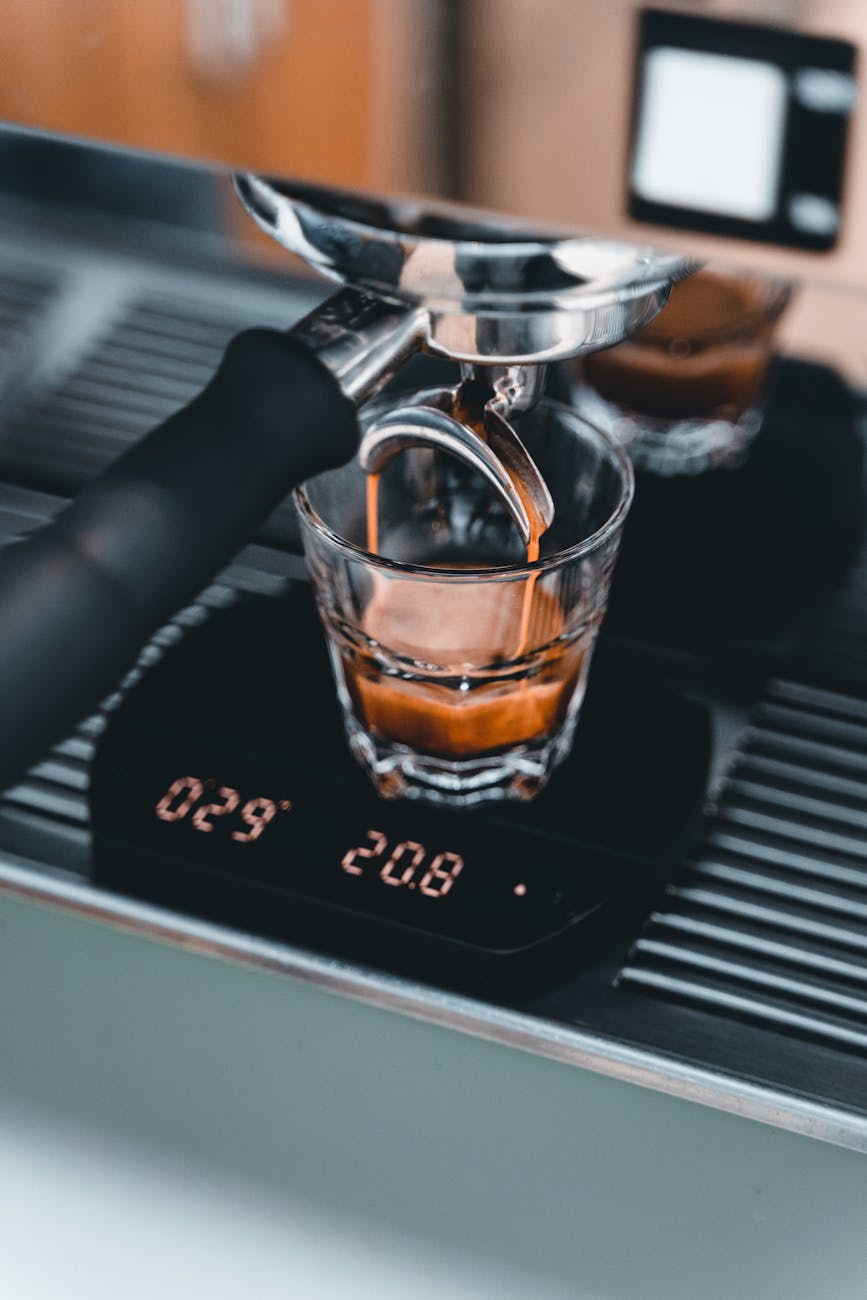
Stop channeling: How a WDT tool perfects your espresso shot
There’s nothing more frustrating for a home barista than pulling a shot that looks promising but tastes disappointingly sour and thin. You’ve invested in a great machine, quality beans, and a capable grinder, yet your espresso is inconsistent. The most likely culprit is a sneaky problem called channeling. This phenomenon occurs when water finds a path of least resistance through your coffee puck, leading to uneven extraction and a poorly balanced cup. This article will dive deep into the world of espresso channeling, explaining what it is, what causes it, and how a simple, inexpensive gadget known as a WDT tool is the ultimate solution for achieving consistently delicious, cafe-quality espresso at home.
Understanding espresso channeling
At its core, espresso channeling is a problem of uneven water flow. When you brew espresso, you are forcing hot water through a tightly compacted puck of coffee grounds under high pressure. In a perfect world, this water would flow through the entire puck evenly, extracting all the delicious flavors uniformly. However, water is lazy; it will always take the easiest route. If there are any weak spots, cracks, or less dense areas in your coffee puck, the water will rush through these “channels” instead of saturating the entire bed of coffee. This leads to a shot that is simultaneously under-extracted in some areas and over-extracted in others, creating a jarring mix of sour and bitter flavors.
You can often spot channeling by observing your extraction, especially with a bottomless portafilter:
- Spurting jets: Instead of a single, syrupy stream, you see tiny jets of water spraying out from the basket.
- Uneven flow: The espresso begins to flow from one side of the basket before the other.
- Rapid blonding: The stream turns from a rich brown to a pale blonde color much too quickly, indicating the water has exhausted a small part of the puck.
Even without a bottomless portafilter, a soupy, messy puck after brewing is a strong sign that your puck’s integrity was compromised by channeling.
The root of the problem: Clumps and uneven density
To understand how to fix channeling, we must first understand its primary cause: an inconsistent coffee bed. The journey from whole bean to a prepared puck is fraught with opportunities for clumps and density variations to form. Most coffee grinders, particularly at the entry-level, can produce grounds with significant static electricity, causing fine particles to clump together. Even high-end grinders aren’t immune to this, especially in certain humidity conditions.
When you dose these clumpy grounds into your portafilter, you create a landscape of hills and valleys. Some areas will be dense with compacted clumps, while others will be loose and airy. Simply tapping or shaking the portafilter is not enough to resolve this issue. In fact, aggressive tapping can sometimes make it worse by causing finer particles to settle at the bottom and coarser particles to rise, a process known as stratification. When you tamp this uneven bed, you are simply compressing the existing inconsistencies, locking in those low-density areas that will later become superhighways for water flow. This flawed foundation is what dooms your shot before the water even hits the coffee.
The solution: Introducing the Weiss Distribution Technique (WDT)
This is where the Weiss Distribution Technique, or WDT, comes to the rescue. Developed by coffee enthusiast John Weiss in the early 2000s, this method was created to solve the very problem of clumpy grounds from home grinders. The WDT tool itself is simple: a handle holding several very fine needles, typically 0.3-0.4mm in diameter, like those used for acupuncture or 3D printer nozzle cleaning.
The magic of the WDT tool lies in its ability to mechanically de-clump and homogenize the coffee grounds. By stirring the grounds in the portafilter with the fine needles, you break apart every single clump, no matter how small. This action redistributes the coffee particles, filling in any air pockets and creating a coffee bed that is uniformly fluffy and consistent in density from top to bottom and edge to edge. By eliminating the paths of least resistance, you force the water to work harder and flow through the entire coffee puck evenly, ensuring a balanced and complete extraction.
Putting it into practice: Your WDT workflow
Incorporating the WDT tool into your espresso routine is simple and adds less than a minute to your prep time, but the results are transformative. Here is a step-by-step guide to perfect puck prep:
- Dose your coffee: Grind your beans directly into your portafilter. Using a dosing funnel is highly recommended as it prevents mess and allows you to stir vigorously without spilling grounds.
- Distribute with the WDT tool: Insert the needles all the way to the bottom of the basket. Stir the grounds using small, circular motions, working your way from the bottom up. Ensure you cover the entire area of the basket, including the edges. Your goal is a perfectly level and fluffy bed of coffee with no visible clumps.
- Settle and groom: Gently tap the portafilter once or twice on your counter or palm. This will collapse any large air pockets created during stirring and settle the grounds into a more level bed.
- Tamp evenly: Place your tamper on the grounds and apply firm, consistent pressure. Ensure your tamp is perfectly level. Twist gently as you release pressure to polish the surface.
By following these steps, you create the ideal foundation for a beautiful extraction. The difference this technique makes is immediately noticeable.
Puck prep comparison: Before and after WDT
| Feature | Puck prep without WDT | Puck prep with WDT |
|---|---|---|
| Grounds appearance | Clumpy and unevenly distributed. | Fluffy, homogenous, and level. |
| Extraction flow | Prone to spurting, tiger-striping, and uneven flow. | Steady, centered, and even conical flow. |
| Shot time | Often unpredictable and fast due to channels. | More consistent, controllable, and often slightly longer. |
| Taste profile | Unbalanced, with notes of both sourness and bitterness. | Balanced, sweet, and complex with clear flavor notes. |
| Post-extraction puck | Often muddy, cracked, or with visible holes. | Typically firm, dry, and easily knocked out in one piece. |
Conclusion
Espresso channeling is the hidden enemy of consistency, turning potentially great coffee into a disappointing experience. As we’ve seen, this issue stems almost entirely from a poorly prepared coffee bed filled with clumps and areas of varying density. While techniques like tapping and leveling can help, they don’t address the root cause. The Weiss Distribution Technique, using a simple needle tool, directly targets and eliminates these inconsistencies. It ensures your coffee grounds are perfectly homogenous, creating a uniform puck that resists channeling and promotes a balanced, even extraction. For any home barista looking to elevate their craft, adopting the WDT is not just a tweak; it’s a fundamental step toward mastering espresso and unlocking the true potential of your coffee beans.

 No products in the cart.