

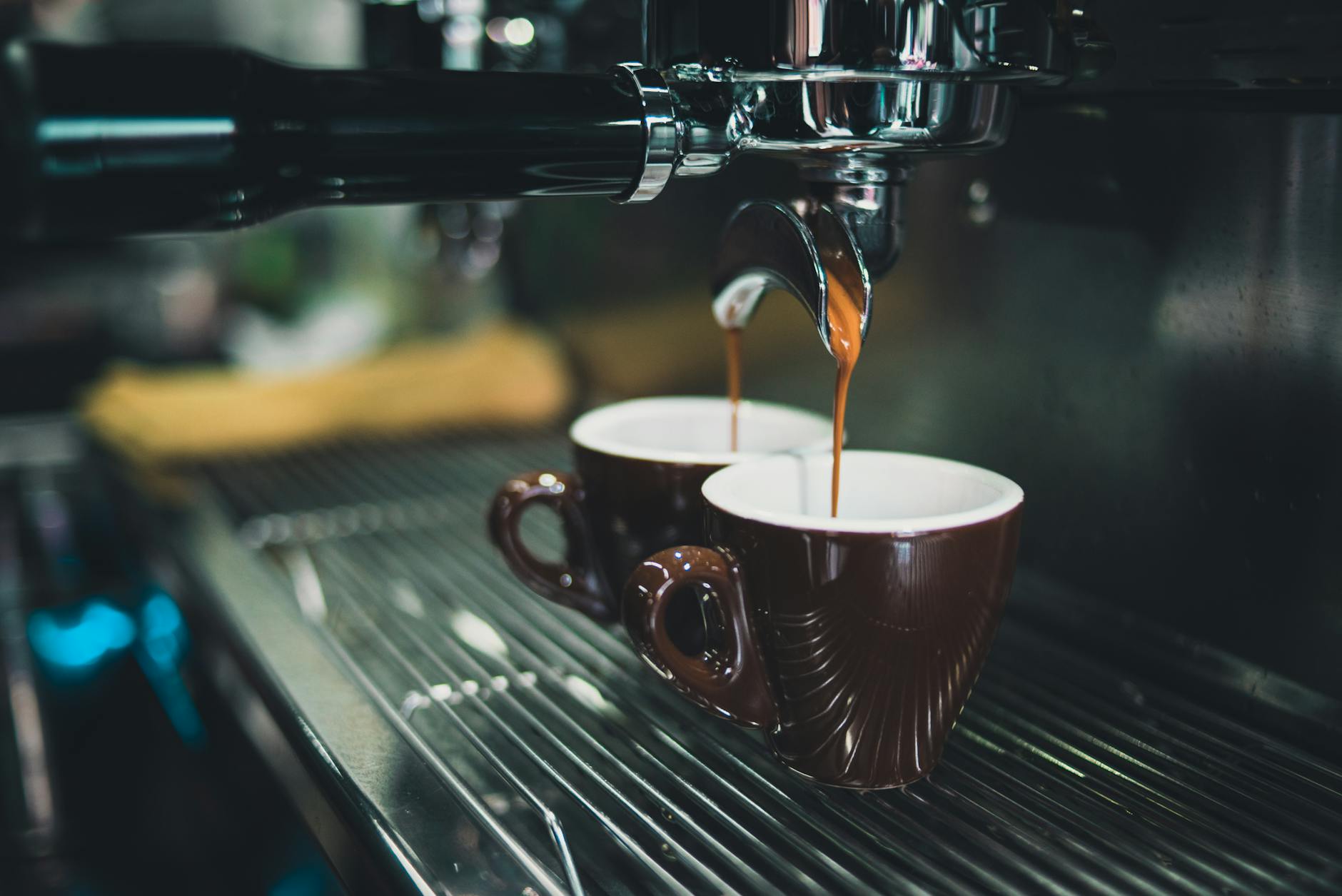
Unlocking sweetness: Finding the perfect brew temperature for light roast espresso on your Gaggia Classic
The Gaggia Classic is a legend in the world of home espresso, a robust and capable machine that has served as the entry point for countless coffee enthusiasts. While it excels at pulling rich, syrupy shots from traditional medium and dark roasts, it presents a unique challenge when you venture into the world of light roast coffee. These beans, celebrated for their bright, fruity, and floral notes, demand a higher and more stable brewing temperature to properly extract their complex flavors. Taming the Gaggia Classic to meet this demand is the key to unlocking a new dimension of espresso. This guide will walk you through understanding your machine’s behavior, mastering manual techniques, and exploring upgrades to consistently pull delicious, balanced light roast espresso.
Why light roasts are a challenge for the Gaggia Classic
Before we dive into solutions, it’s crucial to understand the problem. Light roast coffee beans are fundamentally different from their darker counterparts. During a shorter roasting process, they retain more of their original density and complex organic compounds. This makes them less porous and less soluble, meaning it’s harder for water to penetrate the grounds and extract the desirable flavors. To compensate, you need more thermal energy—in other words, a higher brew temperature. If the water isn’t hot enough, you’ll fail to extract the sugars, resulting in an espresso shot that is disappointingly sour and vegetal.
This is where the Gaggia Classic’s primary limitation comes into play: its simple bimetallic thermostat. This component operates on a wide temperature swing. It tells the boiler to heat up until it reaches a peak temperature (often around 105°C), then shuts off. The boiler then slowly cools until it hits a low point (around 95°C), at which point the thermostat kicks the heater back on. This 10°C swing means the temperature of your brew water is a lottery. For a forgiving dark roast, you might not notice the difference. But for a sensitive light roast, this inconsistency is the difference between a beautifully sweet, acidic shot and a sour, under-extracted mess.
Mastering the art of temperature surfing
The most accessible way to gain control over your Gaggia’s temperature is a technique called temperature surfing. It’s a manual process of timing your shot to coincide with a specific point in the boiler’s heating cycle, allowing you to brew at a more consistent temperature. For light roasts, we want to brew at the hotter end of the cycle. While it requires practice, this method can dramatically improve your results without any cost.
Here’s a common workflow for surfing to a higher temperature:
- Warm up the machine: Turn on your Gaggia Classic and let it fully heat up for at least 20-30 minutes, with the portafilter locked in. This ensures the entire system is thermally stable.
- Trigger the heating cycle: Purge a few ounces of water through the group head. You’ll see the orange brew-ready light turn off. This means the boiler temperature has dropped and the heating element has been activated.
- Wait for the peak: Now, wait. The heating element is working to bring the boiler to its maximum temperature. When it reaches it, the orange brew-ready light will turn back on. This is your starting signal.
- Time your shot: As soon as the light turns on, start a timer. This is the hottest point in the cycle. You should pull your shot almost immediately after the light comes on. Experiment by waiting 0, 5, or 10 seconds after the light appears to see how it affects the taste. The key is to pick a time and stick with it for consistency.
By following the same routine every time, you remove temperature as a major variable, allowing you to focus on dialing in your grind size and ratio.
| Time after light on | Approximate temperature | Expected taste profile for light roast |
|---|---|---|
| 0-5 seconds | Very high (e.g., 96-98°C at the puck) | Ideal for very light roasts. Aims to maximize extraction, bringing out sweetness and complex acidity. Reduces sourness. |
| 10-15 seconds | High (e.g., 94-96°C at the puck) | A good starting point. Balances acidity with body. May still be slightly sour for the lightest roasts. |
| 20+ seconds | Medium (e.g., 92-94°C at the puck) | Generally too cool for light roasts. Likely to result in sour, under-extracted flavors. |
The PID upgrade: The ultimate solution for stability
While temperature surfing is a fantastic free upgrade to your skills, the ultimate solution for temperature stability on a Gaggia Classic is installing a PID controller. A PID (Proportional-Integral-Derivative) controller is essentially a smart brain for your machine. It replaces the stock thermostat with a precise digital controller and a thermocouple that constantly reads the boiler’s temperature.
Instead of the wild 10°C swings of the original thermostat, a PID makes tiny, rapid adjustments to the heating element, keeping the water temperature incredibly stable, often within a single degree of your set point. This upgrade transforms the Gaggia Classic from a good machine into a great one, giving you the precision of machines that cost many times more.
For light roasts, the benefits are immense:
- Precision: You can set your brew temperature to exactly 96°C, 97°C, or whatever you find works best for a particular bean. No more guesswork.
- Consistency: Every single shot is pulled at the exact same temperature. This removes all doubt and allows you to dial in your other variables with confidence.
- Repeatability: Did you find the perfect shot at 95.5°C for that Ethiopian coffee? You can write it down and replicate it perfectly tomorrow, next week, or next month.
PID kits are widely available online and, for those comfortable with some basic electronics, offer one of the most significant upgrades you can make to your Gaggia Classic.
Tying it all together: Dialing in your shot
Mastering temperature is the most important step, but it doesn’t exist in a vacuum. Once you have a stable and repeatable brew temperature, either through disciplined surfing or a PID, you can confidently adjust the other variables to perfect your light roast espresso. Remember that light roasts are dense and require a finer grind than you might be used to. Don’t be afraid to push your grinder finer to slow the shot down and increase extraction.
Furthermore, experiment with your brew ratio. While a standard 1:2 ratio (e.g., 18g of coffee in, 36g of espresso out) is a great starting point, light roasts often shine with longer ratios. Try a 1:2.5 or even a 1:3 ratio. This extra water can help extract more of the delicate sugars and floral notes, balancing the acidity and creating a more nuanced and enjoyable cup. With your temperature now locked in, these adjustments to grind and ratio become meaningful, predictable steps toward the perfect shot.
Brewing a truly exceptional light roast espresso on a Gaggia Classic is a journey, but it’s far from impossible. It requires acknowledging the machine’s inherent temperature instability and taking active steps to manage it. For the barista on a budget, mastering the art of temperature surfing is a skill that will pay dividends, bringing much-needed consistency to your shots. For those willing to invest a little more, a PID controller is a transformative upgrade, unlocking a level of precision that allows you to explore the full, vibrant spectrum of flavors that light roast coffees have to offer. Whichever path you choose, taking control of your brew temperature is the most critical step. It empowers you to move beyond frustratingly sour shots and start pulling consistently sweet, complex, and rewarding espresso from your beloved Gaggia Classic.
 No products in the cart.