

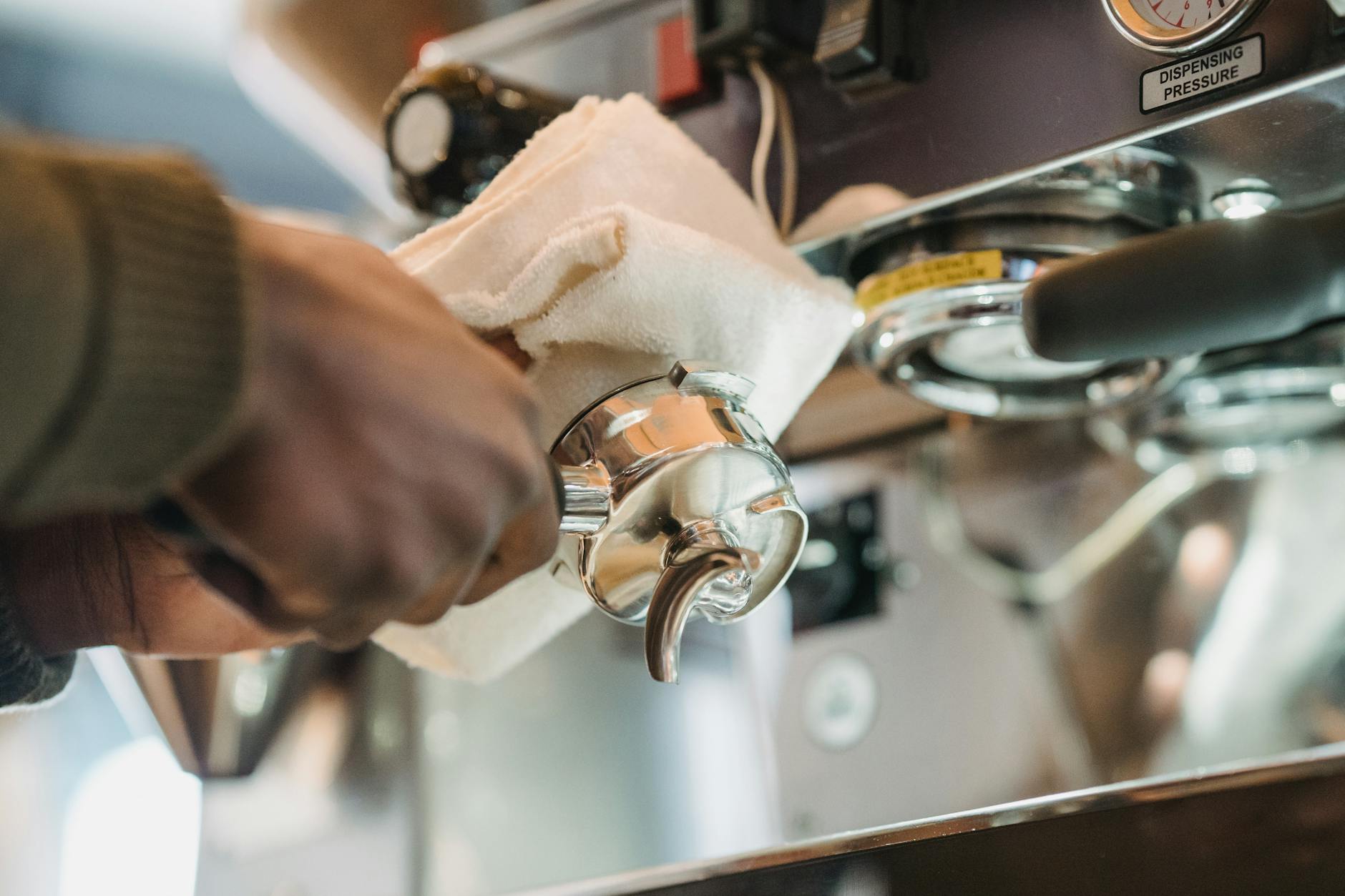
A super-automatic espresso machine is a marvel of modern convenience, delivering barista-quality coffee at the touch of a button. It’s an investment in your daily ritual, a source of comfort and energy. However, to keep that magic alive and ensure every cup tastes as delicious as the first, a little daily care is essential. Many owners overlook the importance of a consistent maintenance routine, only to be met with bitter coffee or costly repairs down the line. This guide will walk you through creating a simple yet effective daily maintenance schedule. We will explore the crucial tasks that take only a few minutes but make a world of difference in the flavor of your coffee and the lifespan of your machine.
Why daily maintenance matters for flavor and function
Think of your super-automatic machine like any high-performance engine. It can’t run at its best if it’s clogged with old residue. Every time you brew a coffee, natural oils are extracted from the beans. While these oils are responsible for the rich flavor and crema, they leave behind a sticky residue that can build up inside the machine’s brew group and spout. Over time, this buildup turns rancid, imparting a bitter and unpleasant taste to your fresh coffee. Similarly, milk proteins from a steam wand, if not cleaned immediately, can harden like cement, blocking the frothing system and becoming a breeding ground for bacteria. A simple daily routine isn’t just about cleanliness; it’s about preserving the integrity of every single cup and preventing minor issues from escalating into major, expensive malfunctions.
The five minute daily cleanup routine
Integrating maintenance into your coffee-making habit is the key to consistency. These tasks should become second nature, just like grinding the beans or frothing the milk. They take less than five minutes and are the most critical part of your entire cleaning schedule.
- Empty the drip tray and grounds puck container: At the end of each day, pull out the drip tray and the container that collects the used coffee pucks. Wash them with warm, soapy water and dry them thoroughly before putting them back. Letting damp grounds sit overnight creates a perfect environment for mold and unpleasant odors that can permeate your machine.
- Clean the steam wand immediately: This is a non-negotiable step. As soon as you finish frothing milk, point the wand over the drip tray and purge it for a second or two to clear any internal milk residue. Then, wipe the exterior with a clean, damp cloth. This prevents milk from drying and hardening, which is notoriously difficult to remove later.
- Rinse the water tank: While you don’t need to scrub it daily, giving the water tank a quick rinse before refilling it with fresh, filtered water prevents the buildup of slime or scale. Always use fresh water for the best-tasting coffee.
- Perform a machine rinse cycle: Most super-automatic machines have a built-in rinse function that flushes the spouts and internal brewing path when you turn the machine on or off. Always allow this cycle to complete. It’s a simple, automated way to clear out loose grounds from the previous brew.
Building a complete maintenance schedule
While the daily routine is your first line of defense, it works best as part of a larger schedule. These less frequent tasks tackle deeper cleaning needs and are essential for the long-term health of your machine. Combining daily, weekly, and monthly actions ensures every component is cared for. Refer to your machine’s manual for specific instructions, but this table provides a great general framework to follow.
| Frequency | Task | Why it’s important |
|---|---|---|
| Daily | Empty drip tray and grounds bin; Clean steam wand; Rinse water tank. | Prevents mold, bacteria, and bad odors. Ensures pure coffee flavor. |
| Weekly | Deep clean the brew group; Clean milk system with a dedicated solution; Wash bean hopper. | Removes built-up coffee oils and milk fat that daily rinsing misses. |
| Monthly (or as prompted) | Descale the machine; Use coffee oil remover tablets; Change water filter. | Removes mineral buildup (scale) from internal components and stubborn oils from the brew unit. |
Knowing the warning signs
Your machine will often tell you when it needs attention, even before a scheduled cleaning is due. Learning to recognize these signs can help you troubleshoot issues and prevent them from worsening. If your coffee suddenly tastes overly bitter or sour, it’s a strong indicator of rancid oil buildup, meaning it’s time to use a coffee oil remover tablet. Is your espresso shot looking thin, watery, and lacking crema? This could be a sign that the brew group is clogged and needs a thorough cleaning. Similarly, if the coffee flow seems slow or the machine is making unusual straining noises, it could be an early warning of a scale buildup, pointing to the need for a descaling cycle. Paying attention to these sensory clues allows you to be proactive with your maintenance.
Ultimately, a super-automatic espresso machine is an investment in your daily quality of life. Protecting that investment doesn’t require hours of work, but rather a few minutes of consistent, mindful care. By establishing a simple daily routine of emptying trays, wiping the steam wand, and rinsing key components, you lay the foundation for a long and healthy machine life. When you combine this with a structured schedule for weekly and monthly deep-cleaning tasks like descaling and oil removal, you guarantee optimal performance. This proactive approach not only prevents costly repairs but, more importantly, ensures that every single cup of coffee you brew is as fresh, aromatic, and delicious as it was meant to be.


 No products in the cart.