

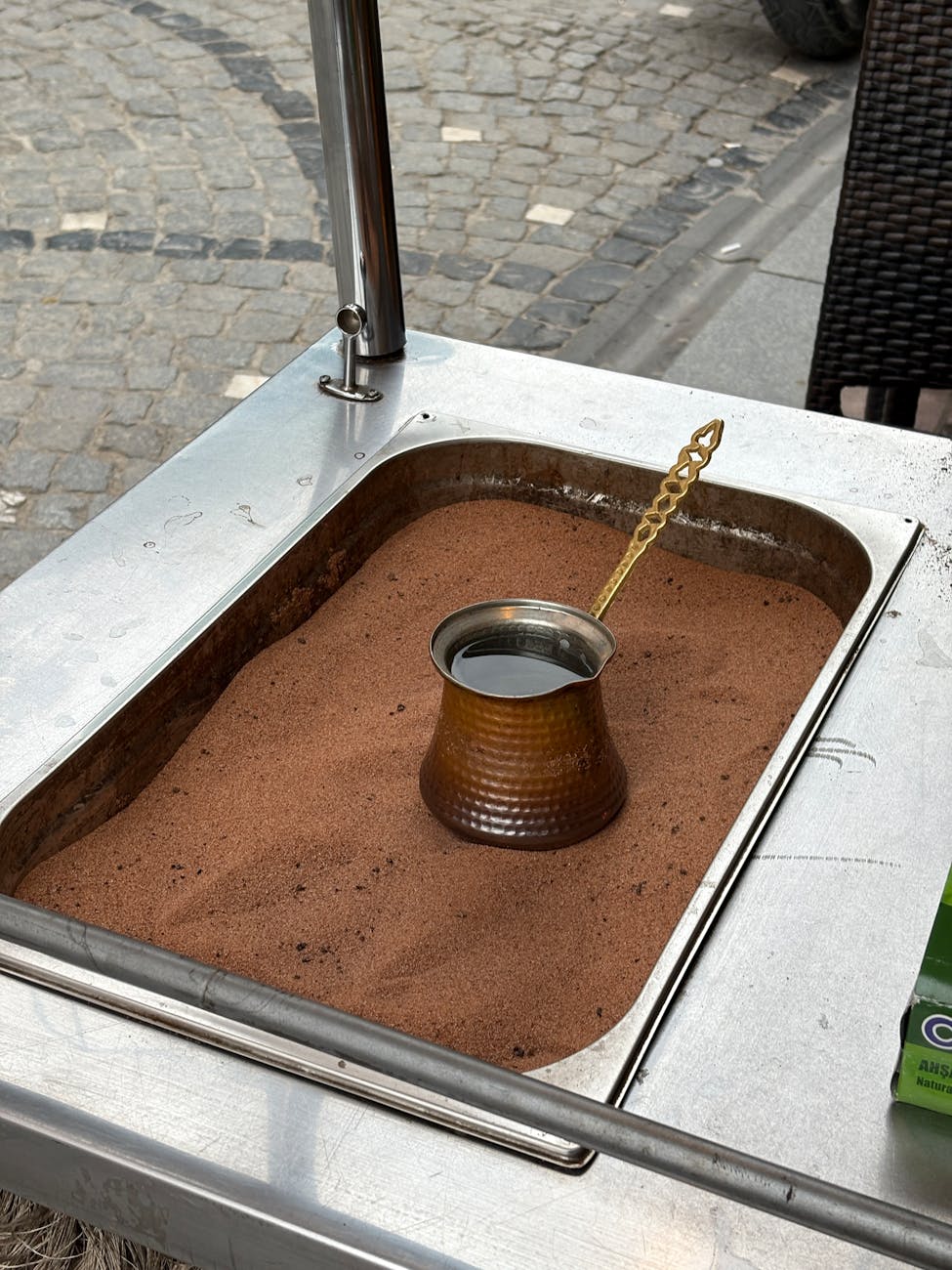
Copper vs. stainless steel cezve: Which brews the best Turkish coffee?
The art of brewing Turkish coffee is a time-honored tradition, where every detail matters—from the fineness of the grind to the temperature of the water. At the heart of this ritual is the cezve, or ibrik, the small, long-handled pot in which the magic happens. While modern variations exist, the debate among aficionados often comes down to a fundamental choice of material: classic, traditional copper or modern, practical stainless steel. This choice is far from merely aesthetic. The material of your cezve directly influences its thermal performance, which in turn has a profound impact on the control you have over the brew and, most importantly, the final flavor and aroma in your cup. This article delves into the science and sensory experience behind each option.
The science of heat distribution
To understand why the material of a cezve is so crucial, we first need to talk about thermal conductivity. In simple terms, this is how quickly and evenly a material can transfer heat. When brewing Turkish coffee, you are working with extremely fine grounds suspended in water, a combination highly susceptible to scorching. Uneven heating creates “hot spots” on the bottom of the pot, which can easily burn the coffee grounds, introducing bitter and acrid flavors into your final brew.
This is where the difference between copper and stainless steel becomes stark. Copper is one of the best thermal conductors among common metals, second only to silver. It heats up incredibly fast and, more importantly, distributes that heat evenly across its entire surface. Stainless steel, on the other hand, is a relatively poor conductor of heat. It takes longer to heat up and tends to concentrate heat directly above the flame or heating element, making hot spots a significant risk.
Copper cezve: The artisan’s choice for precision
A traditional copper cezve is the tool of choice for Turkish coffee purists, and for good reason. Its exceptional thermal conductivity provides the brewer with unparalleled control. When you place a copper cezve on a heat source, the water and coffee mixture heats rapidly and uniformly, allowing for a consistent extraction. This prevents the delicate grounds from burning and helps cultivate the rich, velvety foam, or kaymak, that is the hallmark of a perfectly brewed Turkish coffee.
Just as important as its ability to heat up is its ability to cool down. The moment you lift a copper cezve from the heat, it begins to lose temperature quickly. This responsiveness is vital. It allows you to manage the crucial “rise” of the coffee foam with precision, pulling it off the heat at the perfect moment to prevent it from boiling over—an action that would instantly ruin the foam and over-extract the coffee. Traditionally, these cezves are lined with tin to create a non-reactive barrier between the coffee and the copper, which must be maintained and occasionally re-tinned.
Stainless steel cezve: The modern path to convenience
The stainless steel cezve is a product of modern convenience. Its primary advantages are its durability, low maintenance, and affordability. It won’t tarnish like copper, is resistant to scratches and dents, and can usually be cleaned in a dishwasher. Since stainless steel is non-reactive, it doesn’t require any special lining, eliminating the long-term maintenance needs associated with traditional tinned copper pots.
However, these benefits come at the cost of thermal performance. As a poor heat conductor, a stainless steel cezve heats slowly and retains heat for much longer after being removed from the stove. This lack of responsiveness makes it much harder to control the brew. The coffee can easily continue to heat and boil over even after you’ve pulled it away from the source. Furthermore, the tendency for stainless steel to develop hot spots means the brewer must be extra vigilant, often stirring more frequently to prevent a burnt taste from tainting the coffee. While functional, it offers a less forgiving brewing experience.
How material translates to flavor
Ultimately, the goal is a delicious cup of coffee, and the material of the cezve is a direct path to achieving that. The superior heat control offered by copper allows for a gentle and even extraction. This process protects the delicate aromatic compounds in the coffee, resulting in a brew that is rich, smooth, and deeply flavorful without bitterness. The fine control over the foam formation ensures the iconic creamy texture and mouthfeel of authentic Turkish coffee.
With stainless steel, the brewing process is a greater challenge. The risk of scorching from hot spots can easily introduce a burnt, acrid taste. The poor thermal response can lead to boiling, which not only destroys the foam but also causes over-extraction, resulting in a harsher, more bitter flavor profile. While it is possible to make a decent cup of coffee with a stainless steel cezve, it requires more effort to mitigate its thermal shortcomings and rarely achieves the same nuanced and aromatic quality as one brewed in copper.
| Feature | Copper Cezve | Stainless Steel Cezve |
|---|---|---|
| Thermal Conductivity | Very high | Low |
| Heat Control | Excellent and highly responsive | Poor and slow to respond |
| Flavor Profile | Rich, smooth, aromatic, complex | Prone to bitterness and burnt notes |
| Durability | Softer metal, can dent easily | Very high, resistant to damage |
| Maintenance | Requires polishing and re-tinning | Very low, often dishwasher safe |
Conclusion: Tradition or convenience?
In the contest between copper and stainless steel, the choice ultimately depends on your priorities as a coffee brewer. If your goal is to master the art of Turkish coffee and achieve the most authentic, rich, and aromatic flavor possible, the traditional copper cezve is the undisputed champion. Its superior thermal properties provide the precision and control necessary to unlock the full potential of the coffee. However, this performance comes with the need for greater care and maintenance. For those who prioritize durability, ease of use, and a lower price point over nuanced flavor, the stainless steel cezve serves as a practical and robust alternative. It gets the job done, but it lacks the finesse of its traditional counterpart.
 No products in the cart.