

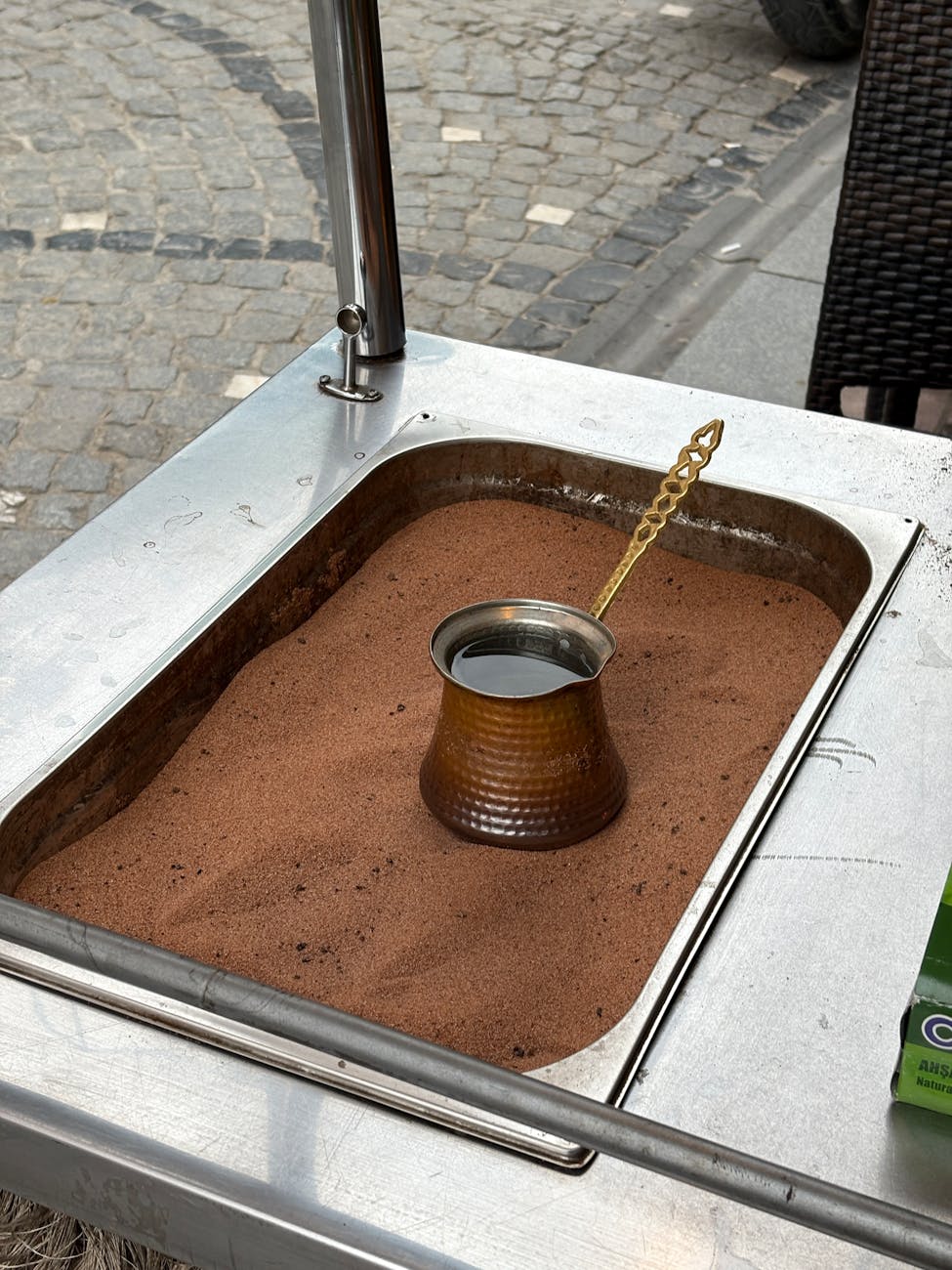
Copper vs. stainless steel cezve: Which offers better brewing control?
Making authentic Turkish coffee is an art form, a ritual where every detail matters. At the heart of this tradition is the cezve, or ibrik, the small, long-handled pot designed specifically for this unique brewing method. While many focus on the grind of the coffee or the water temperature, the material of the cezve itself plays a pivotal role in the final cup. The choice between a traditional copper cezve and a modern stainless steel one is more than just a matter of aesthetics. It directly impacts heat conductivity and, consequently, your control over the brewing process. This article will delve into the properties of both materials, exploring how they influence heat management and helping you decide which cezve is right for your coffee ritual.
The science of heat in Turkish coffee brewing
Before comparing copper and steel, it’s essential to understand why the material of your cezve matters so much. The key lies in a property called thermal conductivity. In simple terms, this is how quickly and efficiently a material can transfer heat. When you place your cezve on a heat source, you want the heat to spread evenly and quickly throughout the pot and into the water and coffee grounds. Uneven heating creates “hot spots,” which can scorch the coffee grounds at the bottom, introducing bitter, burnt flavors into your brew. Even heat distribution is crucial for a balanced extraction.
Furthermore, Turkish coffee brewing requires precise temperature management. You need to bring the coffee to a foam just below boiling, often multiple times, without letting it boil over. A material with high thermal conductivity is highly responsive; it heats up fast when you want it to and cools down quickly when you remove it from the heat. This responsiveness gives you the control needed to master the delicate dance of raising and lowering the foam, which is the hallmark of a perfectly brewed Turkish coffee.
Copper cezve: The traditional choice for precision
For centuries, copper has been the material of choice for artisans crafting cezves, and for good reason. Copper boasts exceptional thermal conductivity, second only to silver among common metals. When you use a copper cezve, the heat from your stove spreads almost instantaneously and uniformly across the bottom and up the sides of the pot. This eliminates the risk of hot spots, ensuring that all the coffee grounds are heated gently and evenly.
This superior conductivity translates directly into unparalleled brewing control. A copper cezve reacts immediately to changes in heat. As you approach the critical foaming stage, you can reduce the heat or lift the pot, and the brewing process will slow down instantly. This allows you to “ride the foam” with precision, developing the rich kaymak (crema) without the disaster of a boil-over. However, this traditional material comes with its own considerations. Copper is reactive, so a quality copper cezve must be lined with a non-reactive material, typically tin. This lining requires gentle care and may need to be re-tinned after years of use.
Stainless steel cezve: The modern, durable alternative
Stainless steel has become a popular material for all types of cookware, including cezves, primarily due to its durability and ease of maintenance. It is tough, resistant to scratches and dents, and completely non-reactive, meaning it requires no special lining and won’t impart any metallic taste to your coffee. It’s also incredibly easy to clean and is often dishwasher safe.
The trade-off, however, comes in its thermal performance. Stainless steel is a relatively poor conductor of heat compared to copper. This means it takes longer to heat up, and the heat does not spread as evenly. This can lead to hot spots, especially on electric coil or gas stoves, potentially scorching the coffee. More importantly, its low conductivity and higher heat retention mean it is far less responsive. When you remove a stainless steel cezve from the heat, it continues to hold onto that heat, and the brewing process doesn’t stop immediately. This makes it much trickier to control the foam and prevent the coffee from boiling over, requiring you to anticipate and act sooner.
A direct comparison of cezve materials
Choosing between copper and stainless steel ultimately depends on your priorities as a coffee brewer. Do you value the absolute control and tradition of copper, or the convenience and resilience of stainless steel? The decision becomes clearer when you see their properties laid out side-by-side.
| Feature | Copper Cezve | Stainless Steel Cezve |
|---|---|---|
| Heat Conductivity | Excellent | Poor |
| Heat Responsiveness | Very high (heats and cools quickly) | Low (heats and cools slowly) |
| Brewing Control | Superior, allows for precise foam management. | Challenging, prone to boil-overs. |
| Durability | Good (soft metal, can dent) | Excellent (scratch and dent resistant) |
| Maintenance | High (requires polishing, gentle cleaning, potential re-tinning) | Low (easy to clean, dishwasher safe) |
| Price | Generally higher | Generally lower |
The table highlights the core difference: a copper cezve is a high-performance, precision tool, while a stainless steel cezve is a practical, workhorse pot. If your goal is to perfect the art of Turkish coffee and achieve the richest, most aromatic brew possible, the responsiveness of copper is your greatest ally. If you are a beginner or simply want a hassle-free, durable pot for daily coffee without fuss, stainless steel is a perfectly sensible and affordable choice.
Conclusion: Tradition and control vs. durability and convenience
In the debate of copper versus stainless steel cezves, there is no single “best” answer, only the best choice for you. Your decision hinges on what you value most in your coffee-making experience. A copper cezve is the enthusiast’s choice. Its outstanding heat conductivity provides the immediate responsiveness and precise control needed to master the perfect foam and unlock the most nuanced flavors from your coffee. It honors tradition and rewards skillful brewing. On the other hand, a stainless steel cezve is the pragmatic option. It offers unmatched durability, is incredibly easy to maintain, and comes at a more accessible price point, making it an excellent starting point for newcomers or a reliable pot for daily use where convenience is key.

 No products in the cart.