

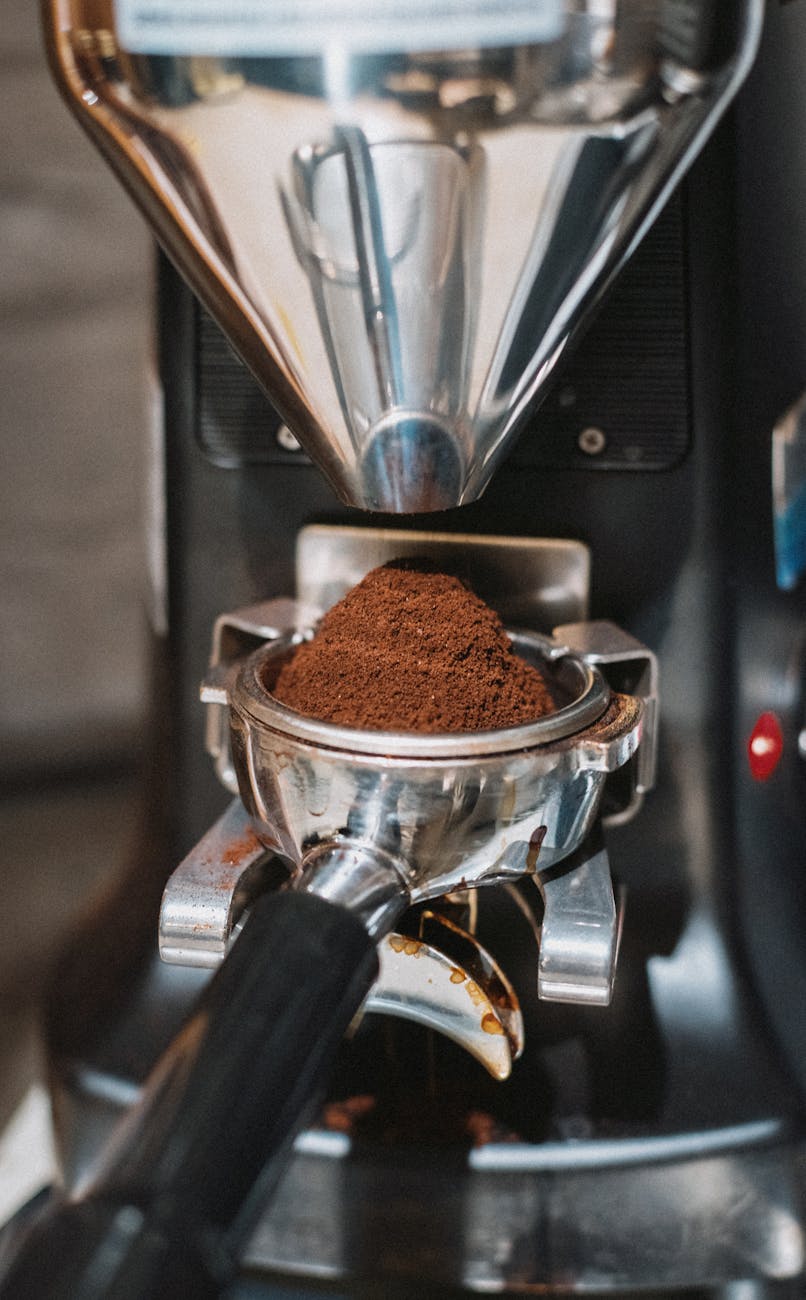
The quest for the perfect shot of espresso is a journey that often leads coffee enthusiasts to obsess over beans, machines, and techniques. Yet, one of the most critical components in this journey is frequently overlooked: the grinder’s burrs. At the heart of your grinder, these small, sharp components are responsible for transforming whole beans into the uniform grounds necessary for a balanced extraction. The material they are made from, most commonly steel or ceramic, has a profound impact on the final taste in your cup. This article will delve into the nuanced differences between steel and ceramic burrs, exploring how each material shapes the coffee grounds and, consequently, the flavor profile, making them better suited for different espresso styles, from traditional Italian to modern third-wave.
Understanding the core of your grinder
Before we compare materials, it’s essential to understand why burr grinders are the undisputed champions of coffee grinding. Unlike blade grinders that violently chop beans into inconsistent pieces, burr grinders use two abrasive surfaces, or burrs, to crush and grind coffee beans into a uniform size. This uniformity is paramount for espresso, as water under high pressure will exploit any inconsistency, leading to an uneven extraction where some grounds are over-extracted (bitter) and others are under-extracted (sour). The material of these burrs dictates how they interact with the coffee beans. Factors like sharpness, hardness, and thermal properties all play a direct role in the final particle distribution, which in turn influences the body, clarity, and overall flavor of your espresso shot. Choosing between steel and ceramic is the first major decision in tailoring your grind to your taste.
The case for steel burrs: Precision and clarity
Steel burrs are prized in the specialty coffee world for one primary reason: sharpness. Machined from hardened steel, these burrs have incredibly sharp cutting edges that slice through coffee beans with remarkable precision. This clean cutting action produces a highly uniform, or unimodal, grind distribution with a lower quantity of very fine particles, often called “fines.”
This precision has a direct impact on flavor. A more uniform grind allows for a cleaner extraction, which translates to greater clarity in the cup. This means the delicate, nuanced flavors of a coffee bean—the floral notes of an Ethiopian Yirgacheffe or the fruity acidity of a Kenyan—are more distinct and vibrant. For this reason, steel burrs are the preferred choice for modern, light-roast espresso. This style focuses on highlighting the coffee’s origin and terroir, and the clarity provided by steel burrs is the perfect vehicle for that exploration. The main trade-off is that steel is a better conductor of heat, meaning in a high-volume café setting, they can heat up faster, potentially affecting the coffee’s volatile aromatics. They also have a slightly shorter lifespan than their ceramic counterparts.
The virtue of ceramic burrs: Durability and body
Ceramic burrs offer a different set of advantages, rooted in their material properties. Ceramic is significantly harder than steel, which gives it exceptional durability and a longer lifespan. A set of ceramic burrs can often grind twice as much coffee as a steel set before needing replacement. They are also chemically inert, meaning they will never rust, and they have lower thermal conductivity, so they heat up more slowly during grinding.
From a performance standpoint, the micro-structure of ceramic burrs means they tend to crush and shatter beans rather than slice them cleanly. This action creates a grind distribution that is slightly less uniform, with a higher percentage of fines. While this might sound negative, these extra fines can be a benefit for certain espresso styles. They increase the viscosity and texture of the espresso, resulting in a fuller body, a heavier mouthfeel, and often a richer, more stable crema. This process also tends to mute some of the coffee’s brighter acidic notes, blending the flavors together. This makes ceramic burrs an excellent match for traditional, darker roast espresso blends, where the goal is a syrupy, rich shot with classic notes of chocolate, nuts, and caramel.
Matching the burr to your espresso style
Ultimately, the choice between steel and ceramic burrs is not about which is objectively superior, but which is best suited for the kind of espresso you want to drink. The two materials excel at producing different results, catering to two distinct philosophies of espresso.
If you are a modern espresso enthusiast who enjoys light-roast single origins and wants to taste every subtle flavor note, steel burrs are your ideal choice. Their ability to produce a clean, uniform grind will give you the clarity needed to appreciate the complexity of these coffees. Conversely, if you are a lover of traditional espresso—rich, thick, and comforting—then ceramic burrs can help you achieve that classic profile. Their tendency to create more fines will build the heavy body and syrupy texture that defines this style. It is also important to remember that burr geometry, whether flat or conical, adds another layer of complexity, but the material remains a fundamental starting point.
| Feature | Steel Burrs | Ceramic Burrs |
|---|---|---|
| Hardness | Less hard, but sharper cutting edge | Extremely hard, but more brittle |
| Lifespan | Shorter (approx. 500-1000 kg) | Longer (approx. 1000-1500 kg) |
| Heat Conductivity | Higher (heats up faster) | Lower (more thermally stable) |
| Grind Profile | More uniform with fewer fines | Less uniform with more fines |
| Flavor Impact | High clarity, bright acidity, distinct notes | Fuller body, muted acidity, blended flavors |
| Best For | Modern, light roast single origins | Traditional, dark roast blends |
In conclusion, the debate between steel and ceramic burrs is a perfect example of how deeply technical details can influence the sensory experience of coffee. Neither material is inherently better; they are simply different tools for different jobs. Steel burrs, with their sharp, precise cutting action, are designed to deliver clarity and bring out the bright, complex notes of modern light roasts. Ceramic burrs, with their durability and tendency to produce more fines, are built to enhance body and texture, creating the rich, syrupy shots beloved in traditional espresso. By understanding your own taste preferences and the style of coffee you enjoy most, you can confidently choose the burr material that will help you pull the perfect shot, every time.
 No products in the cart.