

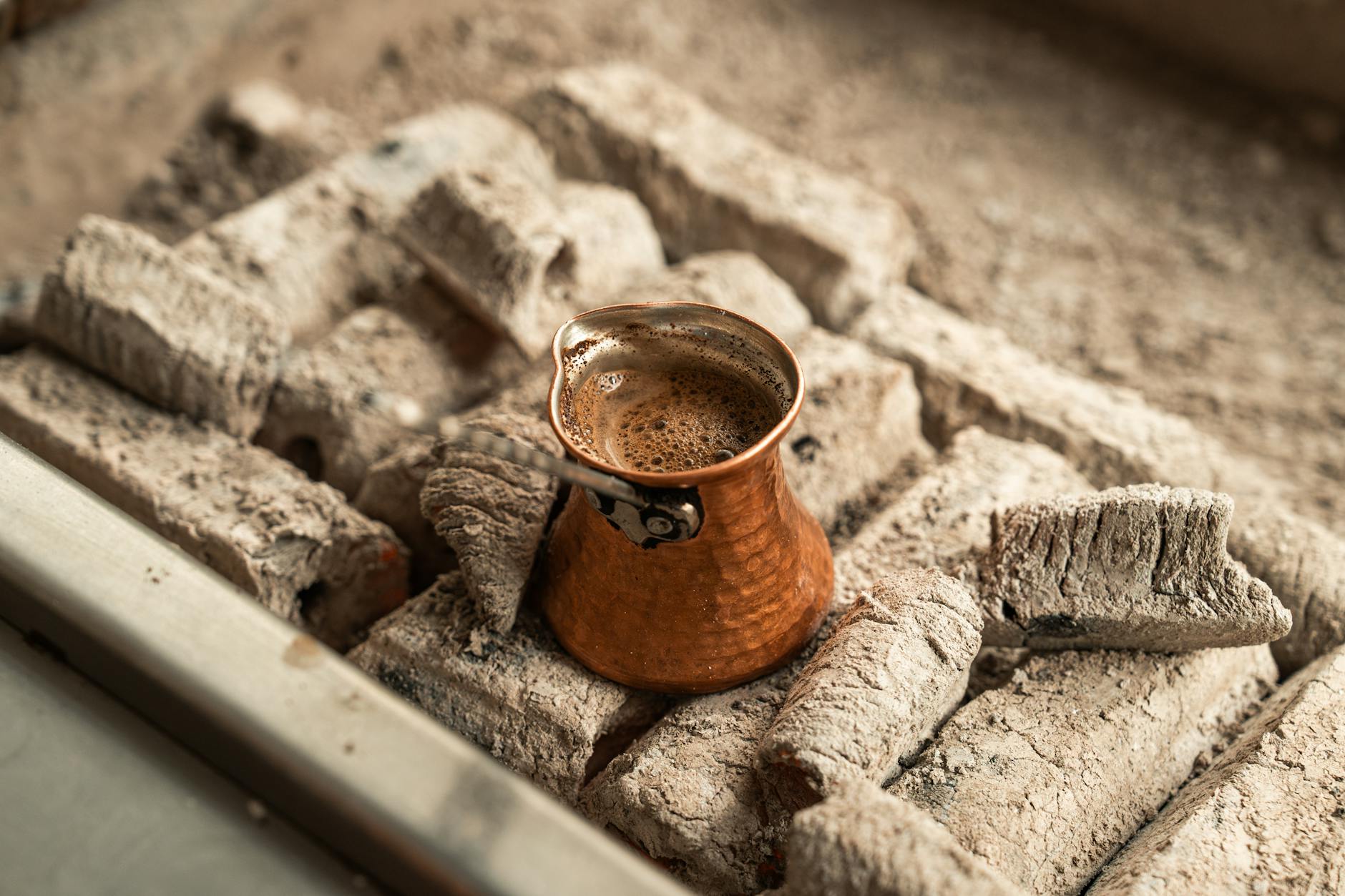
The art of preparing authentic Turkish coffee begins long before the water meets the grounds in a cezve. It starts with the grind. Unlike any other brewing method, Turkish coffee demands a grind so fine it resembles a powder, almost like flour or cocoa. This unique texture is essential for creating the rich body and signature crema, or kaymak, that defines this ancient brewing tradition. Choosing the right grinder is therefore not just a matter of convenience, but a critical step in achieving the desired result. The central debate for enthusiasts often comes down to two choices: the traditional, hands-on experience of a manual grinder versus the modern efficiency of an electric one. This article will delve into this comparison, exploring which type of grinder is truly best suited for achieving the elusive, perfect Turkish coffee fineness.
The essential nature of the Turkish coffee grind
Before comparing grinders, it’s crucial to understand why the grind for Turkish coffee is so specific. The brewing method involves simmering coffee grounds directly in water, and the final beverage is served unfiltered, with the fine sediment settling at the bottom of the cup. For this to work, the grounds must be exceptionally fine, typically around 50 to 100 microns. This is significantly finer than the finest espresso setting on a standard grinder.
This powder-like consistency serves two purposes:
- Extraction: The vast surface area of the powdered grounds allows for a rapid and thorough extraction of flavors and oils during the brief simmering process. This is what creates the intensely aromatic and robust taste profile.
- Texture: A superfine grind is essential for the coffee’s characteristic thick, velvety mouthfeel. If the grind is too coarse, the result will be a gritty, unpleasant beverage with under-extracted, weak flavor. The powder is what remains suspended in the liquid long enough to create that rich body before settling.
Achieving this level of fineness is a mechanical challenge. Most standard coffee grinders are simply not engineered to grind this finely without overheating the beans or producing an inconsistent particle size, which is why specialized equipment is necessary.
The traditional path: Manual Turkish coffee grinders
For centuries, Turkish coffee was ground by hand using tall, cylindrical brass grinders, and these are still widely regarded by purists as the best tool for the job. These grinders are specifically designed with burrs that can be adjusted to produce a true powder. They are not to be confused with typical manual grinders used for pour-over or French press, which cannot reach the required fineness.
Advantages of a manual grinder:
- Exceptional grind quality: A high-quality manual Turkish grinder provides unparalleled consistency at the superfine setting. Because they operate at a low speed, they generate virtually no heat, preserving the delicate aromatic oils in the coffee beans.
- Control and tradition: The act of grinding by hand is a sensory, ritualistic part of the coffee-making process. It connects the user to the tradition and allows for a hands-on feel for the coffee.
- Portability and durability: These grinders are compact, require no electricity, and are often built from durable materials like brass, making them last a lifetime.
However, they are not without their drawbacks. Grinding enough coffee for even one or two cups is a physically demanding and time-consuming task. The capacity is small, making it impractical for serving a group of people quickly.
The modern approach: Specialized electric grinders
For those who value convenience and speed, electric grinders offer a compelling alternative. It is vital to note that your average electric burr grinder, even an expensive one, will likely not be able to produce a Turkish coffee grind. The burrs are not designed to be set that close together and attempting to do so can damage the motor. You must seek out a model that is explicitly advertised as being “Turkish-capable”.
Advantages of an electric grinder:
- Speed and efficiency: An electric grinder can produce a perfect Turkish grind in a matter of seconds with the simple push of a button. This is ideal for daily use or when preparing coffee for guests.
- Consistency: High-end models provide excellent consistency and often feature stepless adjustment, allowing you to dial in the exact fineness you desire.
- Larger capacity: Their hoppers can hold a larger quantity of beans, streamlining the process of making multiple servings.
The primary disadvantages are cost and size. Electric grinders capable of this task are a significant investment, often costing several hundred dollars. They are also noisy, bulky, and can introduce issues like static, which can make the fine coffee powder messy to handle.
A direct comparison: Manual vs. electric
Choosing between manual and electric ultimately depends on your priorities. Do you value the ritual and perfect, heat-free grind over speed? Or does the convenience of a quick, effortless grind outweigh the cost and lack of tradition? The table below breaks down the key differences to help guide your decision.
| Feature | Manual Turkish Grinder | High-End Electric Grinder |
|---|---|---|
| Grind Quality | Excellent, consistent powder with no heat damage (high-quality models). | Excellent, consistent powder (on Turkish-capable models). |
| Speed & Convenience | Slow, requires significant manual effort and time. | Very fast, push-button operation. |
| Cost | Generally lower price point for a quality model. | Significantly higher initial investment. |
| Noise Level | Very quiet, almost silent operation. | Loud during operation. |
| Experience | Traditional, ritualistic, and engaging. | Modern, efficient, and hands-off. |
Conclusion: Which grinder is right for you?
In the debate of manual versus electric for Turkish coffee, there is no single “winner.” The right choice is deeply personal and hinges on your lifestyle, budget, and philosophy toward coffee making. If you view preparing Turkish coffee as a cherished ritual and prioritize the tactile experience and absolute preservation of flavor, a high-quality manual grinder is an unbeatable and authentic tool. It rewards your effort with a perfect, cool grind. On the other hand, if you drink Turkish coffee daily or entertain guests frequently, the speed, ease, and consistency of a specialized electric grinder will be invaluable. While it requires a significant financial investment, its convenience is undeniable. Ultimately, both paths can lead to a delicious cup, as long as you choose a grinder specifically designed for the task.


 No products in the cart.