

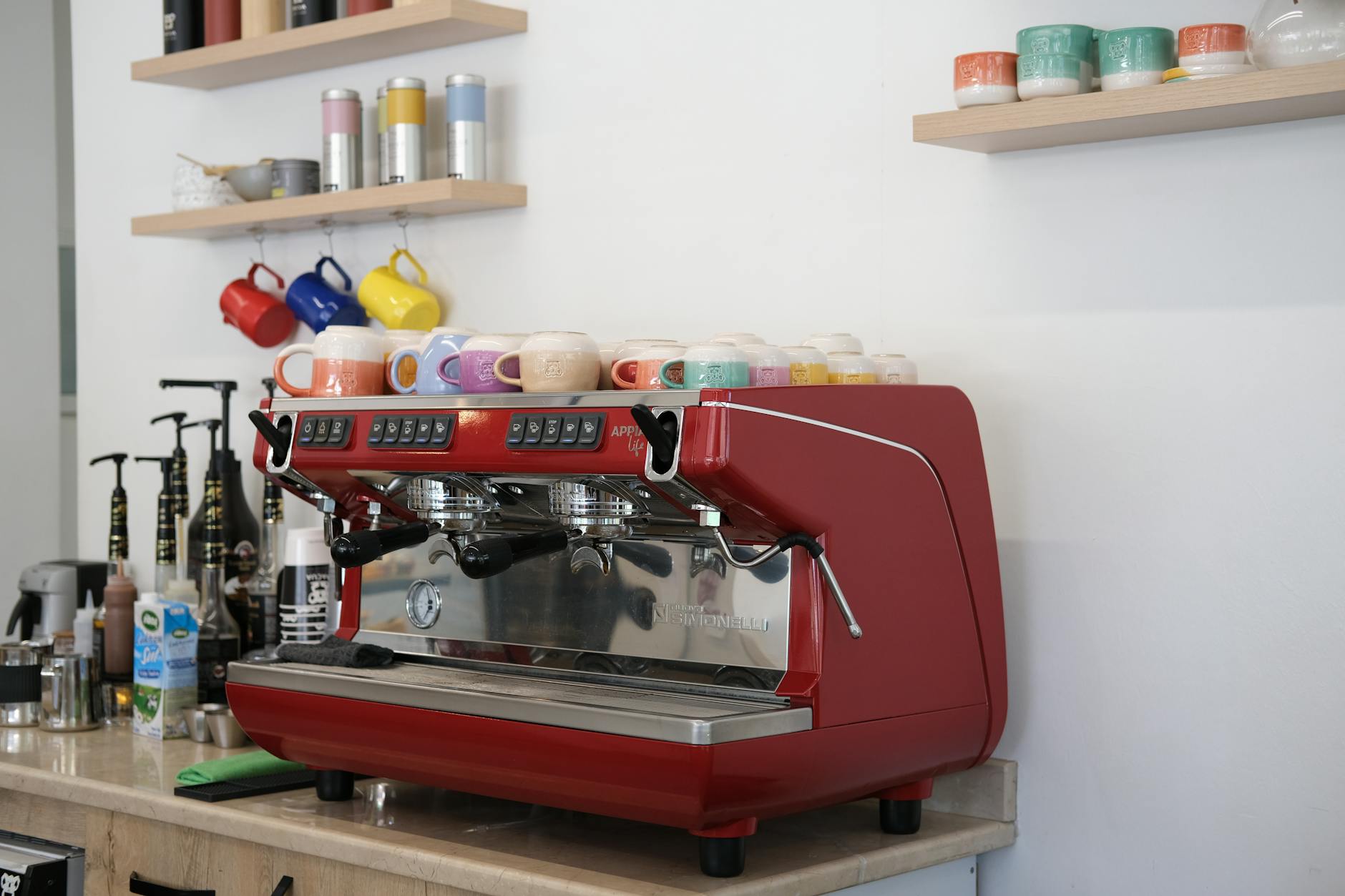
The morning ritual of a home barista is a carefully choreographed dance. From weighing the beans and dialing in the grinder to tamping with perfect pressure, every step is aimed at achieving that perfect shot of espresso. Yet, for many, the final step of sweetening the coffee introduces an element of chaos. Do you reach for the familiar sugar bowl or a sleek bottle of liquid sweetener? This choice is more than a matter of preference; it directly impacts your drink’s taste, texture, and the efficiency of your entire workflow. This article will delve into the practical comparison between liquid sweeteners and classic granulated sugar, exploring how each one integrates into the home espresso process and influences the final product in your cup.
The challenge of dissolving solids in a small liquid
At the heart of the debate is a simple matter of physics. An espresso shot is a small, concentrated beverage, typically around 30-40 milliliters. When you pull a shot, it’s hot, but it begins to cool immediately. This is where granulated sugar runs into its first problem: solubility. Sugar crystals need heat and agitation to dissolve fully. In a small, rapidly cooling espresso, you often end up stirring vigorously only to find a gritty, undissolved sludge at the bottom of your cup. This not only results in an inconsistently sweetened drink, with the last sip being overwhelmingly sugary, but it also negatively affects the texture and mouthfeel.
Liquid sweeteners, by their very nature, bypass this issue entirely. Whether it’s a simple syrup you’ve made at home, agave nectar, or maple syrup, the sugar is already in solution. It integrates into the espresso instantly and seamlessly, with minimal stirring required. This guarantees a uniformly sweetened beverage from the first sip to the last. This advantage becomes even more pronounced in cold espresso drinks like iced lattes or shaken espressos, where getting granulated sugar to dissolve is nearly impossible.
Optimizing your workflow and consistency
For the dedicated home barista, workflow is everything. You aim for a process that is clean, efficient, and, most importantly, repeatable. Introducing granulated sugar can disrupt this flow. The process involves finding the sugar, grabbing a spoon, attempting to measure a consistent amount, and the inevitable minor spills on the counter. The stirring required adds another step and another utensil to clean. It’s a small hassle, but these moments add up and detract from the smooth experience you’re trying to create.
Contrast this with a liquid sweetener, often kept in a pump or squeeze bottle right at the coffee station. The action is simplified to a single press or a quick squeeze. This method is not only faster and cleaner, but it’s also incredibly precise. One pump delivers the exact same amount of sweetness every single time. This level of consistency is crucial. When you’ve spent so much time perfecting your espresso recipe, it makes sense to apply the same precision to your sweetener, ensuring every drink you make is just as good as the last.
Exploring the impact on flavor
Sweetness isn’t just a sensation; it’s a flavor component that can either complement or overwhelm the nuanced notes of your coffee beans. Granulated sugar, particularly white sugar, is largely neutral. It adds sweetness without contributing much else, which can be a good thing. Brown or raw sugars will add a subtle molasses note.
Liquid sweeteners, however, open up a world of possibilities.
- Simple syrup: Typically made from a 1:1 ratio of white sugar and water, this is the most neutral liquid option. It sweetens your espresso cleanly, allowing the coffee’s origin flavors, whether they are fruity, floral, or chocolatey, to remain the star of the show.
- Agave nectar: This provides a clean but more pronounced sweetness than simple syrup and can sometimes be perceived as sweeter than sugar, so you may need to use less.
- Maple syrup: A fantastic choice for fall or winter drinks, it adds a distinct rich, and woody flavor that pairs beautifully with many espresso profiles.
- Honey: Adds a floral sweetness that can be lovely but may clash with more delicate coffees.
The ability to easily make your own simple syrups at home is a major advantage. Infusing them with vanilla beans, cinnamon sticks, or citrus peels allows you to customize your drinks endlessly, creating your own signature lattes with minimal effort.
A practical comparison at a glance
To make the choice clearer, let’s break down the key differences in a head-to-head comparison. While granulated sugar has its place, the advantages of a liquid system for a dedicated espresso setup become evident when you look at the details of daily use.
| Feature | Granulated Sugar | Liquid Sweetener (e.g., Simple Syrup) |
|---|---|---|
| Dissolving Speed | Slow and requires heat and stirring; poor in cold drinks. | Instantaneous, mixes seamlessly in hot or cold drinks. |
| Workflow Efficiency | Slower, messier, requires extra utensils. | Fast, clean, and precise with a pump or squeeze bottle. |
| Consistency | Difficult to measure precisely with a spoon, leading to variable sweetness. | Highly consistent and repeatable with each dose. |
| Flavor Impact | Mostly neutral sweetness. | Can be neutral (simple syrup) or used to add complementary flavors (maple, etc.). |
| Cost per Serving | Very low. | Low if homemade; higher if store-bought. |
| Customization | Limited. | Excellent. Easy to create and use infused syrups for custom flavors. |
In conclusion, while granulated sugar is the traditional and most affordable option, its performance in a modern home espresso workflow is lacking. The challenges with dissolving, inconsistency in measurement, and disruption to an efficient process are significant drawbacks for anyone serious about their coffee. Liquid sweeteners, particularly homemade simple syrup, present a clear upgrade. They offer superior integration, perfect consistency, and unparalleled speed, allowing the home barista to maintain control over every variable. By making the simple switch to a liquid sweetener, you are not just sweetening your coffee; you are refining your craft, enhancing the final taste, and creating a more seamless and enjoyable coffee-making experience from start to finish.


 No products in the cart.