

Don’t let this happen to your brew: Common Gaggia Classic maintenance mistakes ruining your espresso
The Gaggia Classic is a legend in the world of home espresso. For decades, its robust build and powerful performance have promised coffee lovers the key to unlocking cafe-quality shots in their own kitchens. However, this promise comes with a condition: proper maintenance. Many enthusiastic owners, despite their best intentions, fall into simple maintenance traps that slowly degrade the quality of their espresso. What starts as a rich, flavorful shot can devolve into a bitter, sour, or muddled mess. This isn’t a failure of the machine, but often a result of small, overlooked steps in the cleaning process. This article will guide you through the most common maintenance mistakes that ruin espresso flavor and show you how to easily correct them.
Neglecting the immediate post-shot cleanup
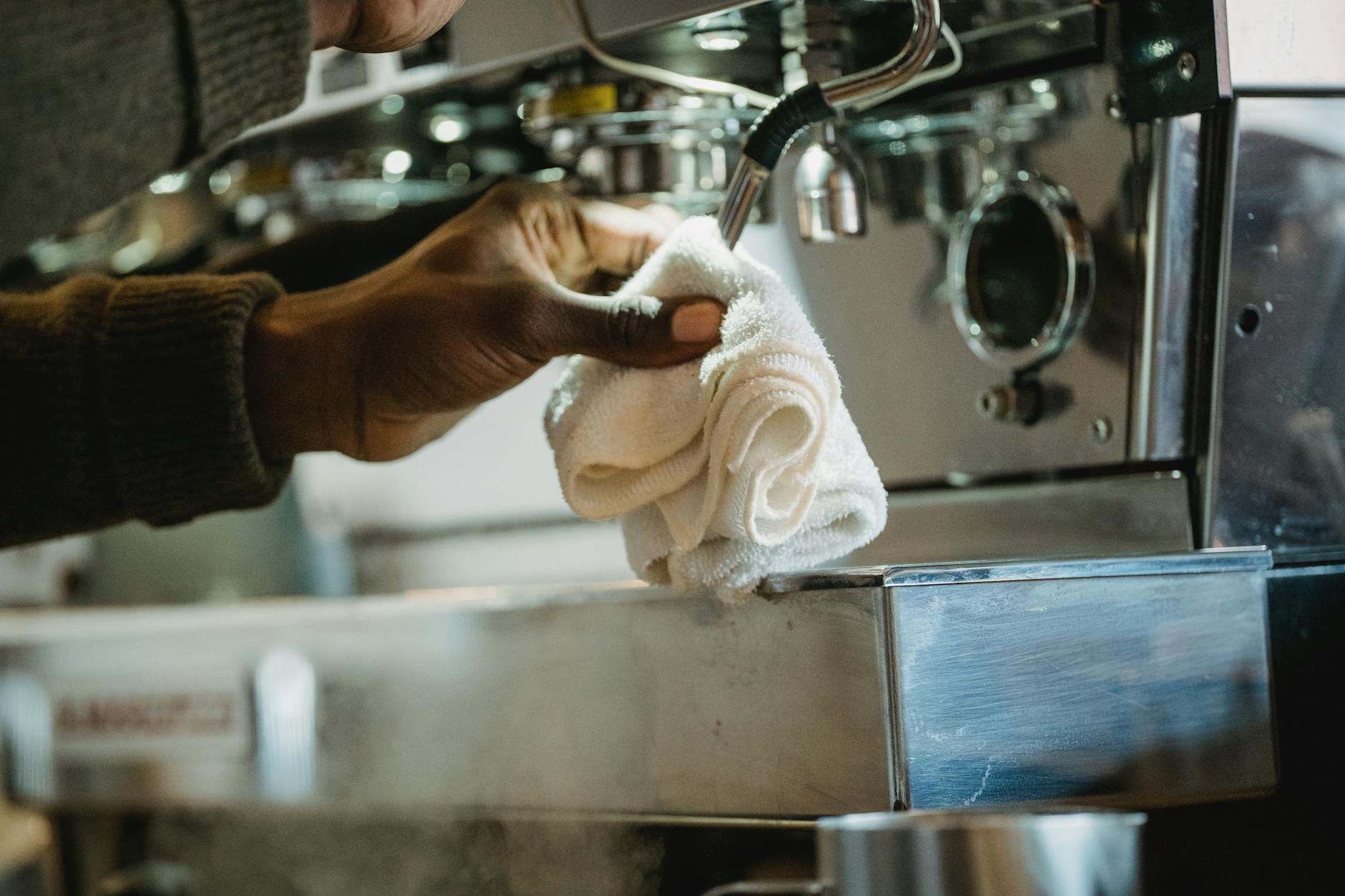
The journey to bad espresso often begins seconds after a good one is made. The biggest mistake new owners make is treating their Gaggia Classic like a simple drip coffee maker, walking away after pulling their shot. Coffee is an oily substance, and when left under heat, these oils quickly bake onto surfaces, turning rancid and imparting a foul, bitter taste to every subsequent shot.
Two critical actions must become second nature:
- Purge and wipe the group head: Immediately after removing your portafilter, run a small amount of hot water through the group head. This flushes out loose coffee grounds. Follow this with a quick scrub of the shower screen and gasket area with a group head brush. This entire process takes less than 15 seconds and prevents old, stale coffee from contaminating your next fresh puck.
- Clean the portafilter right away: Don’t leave the portafilter with its spent puck locked into the hot group head. This not only dries out the coffee, making it difficult to knock out, but the constant heat and pressure can prematurely wear out your group head gasket. A worn gasket leads to a poor seal, causing water to channel around the puck instead of through it, resulting in a weak, under-extracted shot. Knock out the puck, rinse the portafilter, and wipe the basket dry immediately.
This simple, immediate cleanup routine is your first line of defense against flavor contamination and is foundational to every other maintenance task.
The backflushing blunder: doing it wrong or not at all
Moving beyond the daily wipe-down, we encounter the most misunderstood maintenance task: backflushing. Your Gaggia Classic is equipped with a three-way solenoid valve. This marvel of engineering releases excess pressure from the portafilter after your shot is complete, drying the puck for a clean knockout. However, during this process, a small amount of coffee grounds and oils are inevitably sucked back up into the valve and brew path. Without regular backflushing, this pathway becomes clogged with rancid coffee residue.
This buildup directly impacts flavor, introducing stale and bitter notes into your fresh brew. It can also cause the valve to malfunction, leading to soupy pucks and inconsistent pressure. The mistake isn’t just in not backflushing, but in how it’s done. A simple water backflush is good for a daily rinse, but it won’t break down the hardened coffee oils. A dedicated espresso machine detergent is essential.
Here’s a simple schedule to follow:
| Task | Frequency | Method |
|---|---|---|
| Water Backflush | Once a week (or every few days for heavy users) | Use a blind basket (one without holes) and run the brew cycle for 10 seconds on, 10 seconds off, 5 times. This dislodges fresh grounds. |
| Chemical Backflush | Every 4-6 weeks | Use a blind basket with a small amount of espresso detergent (like Cafiza). Follow the same on/off cycle, then rinse thoroughly by repeating the cycle with only water. |
Proper backflushing keeps the machine’s internal pathways as clean as its external ones, ensuring that the only flavor in your cup is from the fresh beans you just ground.
Ignoring the silent killer: limescale
While coffee oils present an immediate threat to flavor, limescale is a more insidious enemy that works slowly over time. If you use hard tap water, you are introducing minerals like calcium and magnesium into your machine’s boiler and pipework with every shot. As water is heated, these minerals precipitate out and form a hard, crusty deposit known as limescale.
Limescale ruins espresso in two primary ways. First, it can flake off and impart a chalky, unpleasant mineral taste to your water. Second, and more critically, it acts as an insulator on the boiler’s heating element and internal surfaces. This prevents the machine from maintaining a stable and accurate brew temperature. Temperature instability is a recipe for disaster in espresso, leading to shots that are either sour and thin (too cold) or bitter and harsh (too hot). In severe cases, scale can completely block water flow, rendering the machine useless.
The solution is twofold:
- Prevention: Use softened or filtered water. This is the single best thing you can do to protect your Gaggia Classic long-term. A simple Brita filter can help, but a dedicated water softening pouch for the tank is even better.
- Treatment: Descale the machine every 2-3 months (more often if you have very hard water). Use a descaling solution specifically designed for espresso machines to dissolve the mineral buildup. Never use vinegar, as its acetic acid can damage the aluminum boiler and rubber seals over time.
Forgetting the wearable components
Finally, even a perfectly clean machine will produce poor espresso if its essential wearable parts are neglected. The most important of these is the group head gasket. This simple rubber ring creates the high-pressure seal between your portafilter and the group head. Over time, heat and pressure cause it to become hard, brittle, and cracked. A failing gasket prevents a proper seal, causing water to leak over the sides of the portafilter during extraction. This loss of pressure means you can’t achieve a proper extraction, resulting in a weak, watery shot no matter how perfect your grind or tamp is.
Check your gasket regularly. If it feels hard as plastic instead of pliable like rubber, or if you have to crank the portafilter handle far to the right to get a seal, it’s time for a replacement. This is an inexpensive part that most owners can replace themselves in under 10 minutes, and it should be done every 6-12 months.
While not technically part of the Gaggia Classic, we must also mention the grinder. A dirty grinder will ruin espresso before the water even hits the coffee. Stale grounds and oils build up on the burrs, contaminating your fresh beans with rancid flavors. Regularly cleaning your grinder is just as important as cleaning your espresso machine.
Conclusion
Owning a Gaggia Classic is an invitation to the wonderful world of home espresso, but it requires a commitment to its care. The path to disappointing, flavorless coffee is paved with small neglects: skipping the post-shot rinse, misunderstanding backflushing, allowing limescale to build, and ignoring the aging of simple parts like the group head gasket. These aren’t complex engineering challenges; they are simple, routine tasks that protect your machine and, more importantly, the flavor in your cup. By incorporating these maintenance habits into your coffee-making ritual, you ensure your Gaggia Classic can perform at its peak. You’ll be rewarded not just with a longer-lasting machine, but with the consistent, delicious, and nuanced espresso you set out to create from the very beginning.

 No products in the cart.