

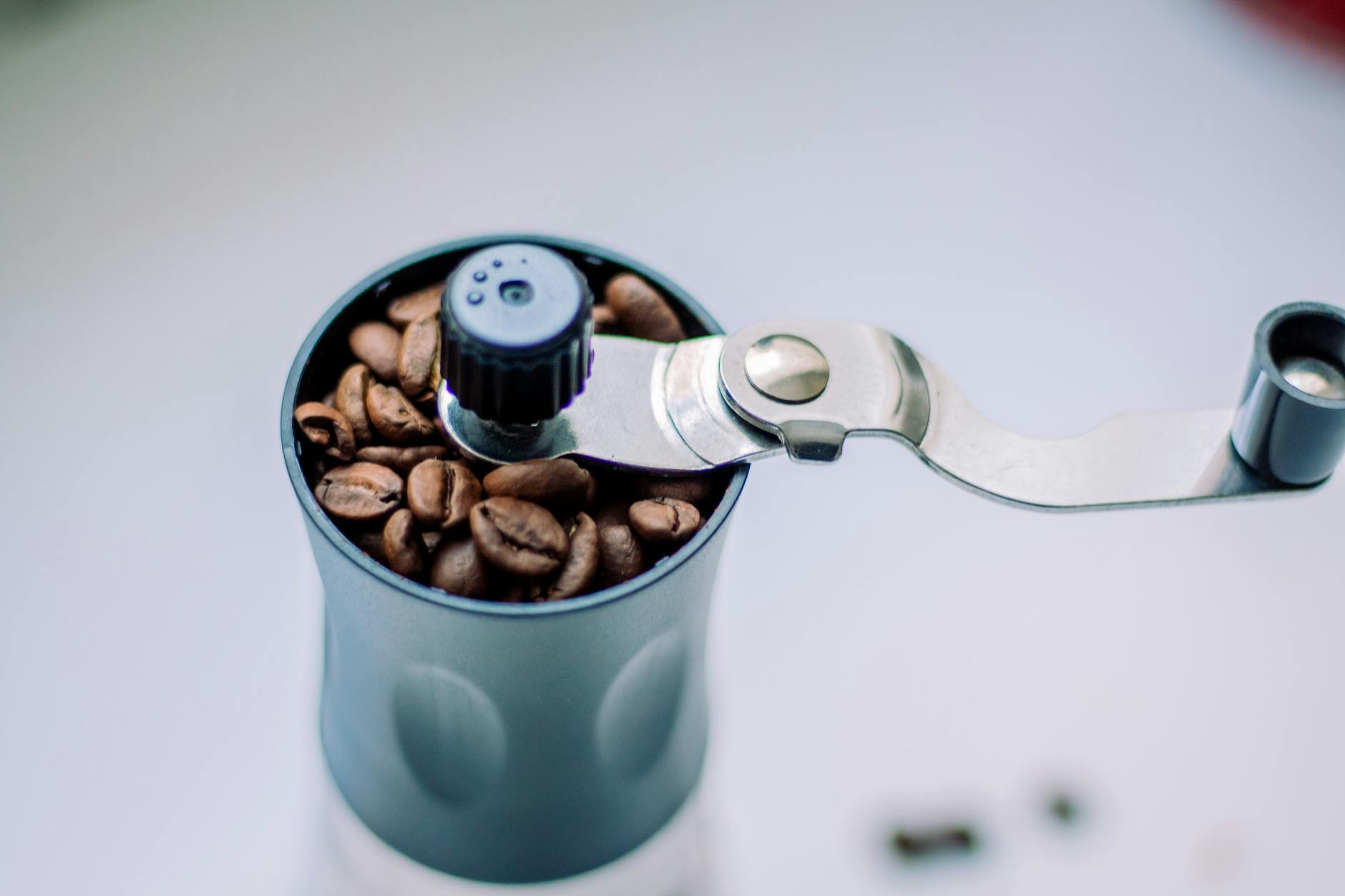
The Gaggia Anima Prestige is a marvel of home coffee engineering, a super-automatic machine designed to deliver delicious espresso and milk drinks with the push of a button. At the heart of this convenience lies its integrated ceramic burr grinder, a component that’s crucial for turning whole beans into the perfect foundation for your coffee. However, not all coffee beans are created equal, and the type you choose can significantly impact your machine’s performance and longevity. This article will guide you through the world of coffee roast levels, helping you understand which beans will work in harmony with your Anima Prestige’s internal grinder. We’ll explore why certain roasts can be problematic and ultimately help you select the perfect beans for a consistently great cup and a healthy machine.
Understanding the grinder in your Gaggia Anima Prestige
Before we dive into coffee roasts, it’s important to understand the specific grinder you’re working with. The Gaggia Anima Prestige features a 100% ceramic flat burr grinder. This is a significant feature for a few key reasons. Ceramic is an excellent material because it doesn’t heat up as much as steel during the grinding process. This is crucial for preserving the delicate aromatic oils in your coffee beans, ensuring that the heat from grinding doesn’t “cook” the flavor out before brewing.
Furthermore, burr grinders, as opposed to blade grinders, crush beans between two revolving surfaces to a consistent size. This uniformity is vital for a balanced and proper espresso extraction. However, the intricate mechanics of a super-automatic grinder, designed for precision and automation, also present a specific vulnerability. The path from the hopper, through the burrs, and into the brew unit is compact. This makes the system susceptible to blockages, especially from beans that are excessively oily or brittle. This is where the roast level becomes the most critical factor in your bean selection.
The spectrum of coffee roasts: from light to dark
Coffee beans start as dense, green seeds. The roasting process transforms them, developing the flavors we associate with coffee while also changing their physical properties. Understanding this spectrum is key to choosing the right bean for your machine.
- Light roasts: These beans are roasted for the shortest amount of time. They are typically light brown, have a dry surface, and are the most dense. Flavor-wise, they retain most of the coffee’s original “terroir,” often featuring bright, acidic, and floral or fruity notes. Because they are so hard, they can sometimes be a challenge for grinders not designed for them.
- Medium roasts: This is a popular sweet spot for many. The beans are a medium brown color and still have a mostly matte, dry surface, though some may show a slight sheen. The roasting has developed more body and balanced the acidity, introducing notes of chocolate, caramel, and nuts. They are less dense than light roasts but still structurally sound.
- Dark roasts: Roasted the longest, these beans are dark brown to nearly black. The extended heat brings the natural oils to the surface, giving them a distinct, glossy sheen. These beans are the least dense, lightest in weight, and most brittle. The flavor is dominated by the roast itself, resulting in bold, smoky, and bittersweet notes with very low acidity.
Why oily, dark roasts are a problem for super-automatics
While the bold, intense flavor of a French or Italian roast can be appealing, these very dark, oily beans are the primary enemy of a super-automatic espresso machine like the Gaggia Anima Prestige. The problem is twofold: the oil and the brittleness.
The sticky oils that coat the surface of dark-roasted beans act like glue inside your grinder. They cause the ground coffee to clump together, sticking to the burrs, the chute, and the internal mechanisms that dose the coffee into the brew unit. Over time, this buildup can:
- Clog the grinder: A buildup of oily residue can completely jam the grinder, preventing it from functioning and potentially straining the motor.
- Cause inconsistent dosing: When the grounds are sticky, the machine can’t accurately dose the right amount of coffee for a shot, leading to weak, watery, or inconsistent espresso.
- Foul the brew unit: The oily grounds can also create a gummy mess in the brew unit, making it difficult to clean and affecting the taste of your coffee.
The brittleness of dark roast beans means they shatter into a mix of coarse chunks and fine dust, rather than grinding uniformly. This inconsistency further complicates the extraction process and contributes to the clogging issue.
Finding the sweet spot for your Anima Prestige
So, what’s the ideal choice? For the Gaggia Anima Prestige and most super-automatic machines, the sweet spot is a medium or medium-dark roast. These beans provide the perfect balance. They have been roasted long enough to develop a rich, full-bodied flavor profile perfect for espresso, but not so long that their surfaces become coated in performance-hindering oils. When you look at the beans, they should appear dry and matte, or at most have a very light, satin-like sheen.
By choosing a high-quality, non-oily bean, you ensure that the ceramic grinder can do its job effectively. The grounds will be fluffy and uniform, they’ll travel smoothly through the machine’s internal pathways, and the brew unit will stay cleaner for longer. You’ll be rewarded with consistent, delicious coffee and a machine that requires less frequent deep cleaning and maintenance.
| Roast level | Surface appearance | Suitability for Anima Prestige | Common flavor notes |
|---|---|---|---|
| Light | Dry, matte, light brown | Acceptable, but can be hard on the grinder | Fruity, floral, high acidity |
| Medium | Dry, matte, medium brown | Excellent / Recommended | Balanced, chocolate, nutty, caramel |
| Medium-Dark | Slight sheen, dark brown | Good / Use with caution | Rich body, bittersweet, hints of spice |
| Dark | Oily, glossy, nearly black | Not Recommended | Smoky, carbon, very low acidity |
Ultimately, investing in a Gaggia Anima Prestige is about getting fantastic coffee with minimal fuss. To honor that investment, it’s crucial to feed it the right fuel. While the allure of a super-dark, smoky Italian roast is strong, these oily beans can compromise the intricate mechanics of your machine, leading to clogs, inconsistent performance, and potential damage. The clear winner for your grinder is a high-quality medium or medium-dark roast with a dry surface. This choice strikes the perfect balance, delivering rich and complex flavors suitable for any espresso drink while ensuring your machine runs smoothly and reliably for years. By being mindful of the beans you put in the hopper, you protect your machine and guarantee a better-tasting cup every single time.


 No products in the cart.