

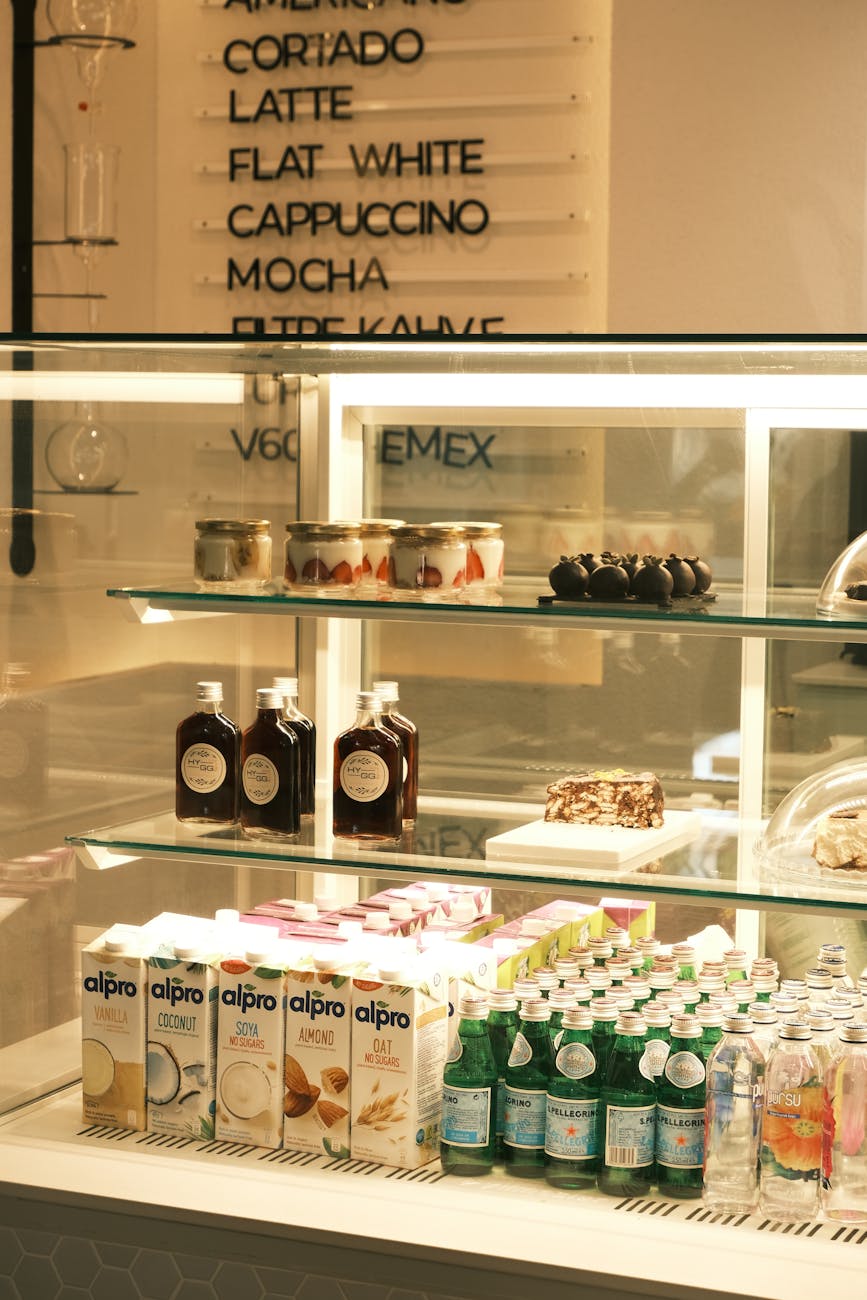
The art of the sweet cortado: Best practices for adding sugar
The cortado stands as a monument to balance in the coffee world. A simple, elegant combination of equal parts espresso and steamed milk, it offers a perfect harmony between the bold intensity of the coffee and the silky sweetness of the milk. But what happens when you have a sweet tooth? The question of adding sugar to such a carefully crafted drink can be surprisingly controversial. For many, it’s a personal preference, but for purists, it’s a step too far. This article isn’t here to judge. Instead, we’ll dive into the best practices for mixing sugar into your cortado, ensuring you enhance its delightful character rather than mask it. We will explore the right techniques, timing, and even the type of sweetener to use for the perfect result.
Understanding the cortado and its balance
Before we can properly sweeten a cortado, we must first appreciate its construction. The name cortado comes from the Spanish word cortar, meaning “to cut.” The steamed milk is meant to “cut” through the intensity and acidity of the espresso, creating a smoother, more approachable drink without the foaminess of a cappuccino or the milk-heavy nature of a latte. In a 4 to 4.5-ounce serving, the relationship between the two ingredients is paramount.
A well-pulled espresso shot has a complex flavor profile with notes of bitterness, acidity, and sweetness. The milk, when steamed correctly to about 140-150°F (60-65°C), undergoes a transformation where its lactose sugars become more prominent, lending a natural sweetness. The magic of the cortado lies in this delicate dance. The milk softens the espresso’s sharp edges while the espresso provides a robust backbone. Adding sugar carelessly can throw this entire system out of whack, overpowering the subtle notes of both the coffee and the milk.
The right way to add sugar: Timing and technique
If you’ve decided to sweeten your cortado, how and when you do it makes all the difference between a gritty, unevenly sweet drink and a seamlessly integrated one. Simply dumping sugar on top of the finished product is the least effective method, as it often fails to dissolve and can ruin the beautiful microfoam.
- Method 1: Sweeten the shot first. This is widely considered the superior technique. Add your desired amount of sugar directly into the cup or server as the espresso shot is being pulled. The heat, pressure, and agitation of the espresso extraction process will dissolve the sugar crystals completely. This integrates the sweetness into the very foundation of the drink. When you add the steamed milk, the sweetness is already perfectly and evenly distributed.
- Method 2: Use a simple syrup. A liquid sweetener is your next best option. A simple syrup (a 1:1 ratio of sugar and water, heated until dissolved) will mix into the finished drink instantly and evenly without any risk of grittiness. This is a versatile solution that works just as well for iced drinks. You can even create flavored syrups, like vanilla or brown sugar, to add another layer of complexity.
- Method 3: Stir gently, if you must. If your only option is to add granulated sugar to a finished cortado, choose the finest sugar you can find, like caster sugar. Add it immediately while the drink is still very hot and stir gently with a small spoon, trying to disturb the milk texture as little as possible. Scrape the bottom to ensure no crystals are left behind.
Choosing your sweetener: Beyond standard white sugar
The type of sweetener you choose will have a significant impact on the final flavor of your cortado. While standard white granulated sugar adds pure sweetness, other options can introduce complementary flavors that elevate the experience. Think of a sweetener not just as something that adds sweetness, but as an ingredient that can add depth and character. Exploring different types can help you customize your drink to perfectly match your palate and the specific notes of the coffee beans you are using.
Here is a breakdown of common sweeteners and their impact:
| Sweetener | Flavor Profile | Dissolvability | Best For |
|---|---|---|---|
| White Sugar | Neutral sweetness | Good in hot espresso | A clean, straightforward sweet taste. |
| Demerara/Turbinado | Subtle molasses, caramel notes | Fair, needs heat | Adding a slight caramel depth to coffees with nutty or chocolatey notes. |
| Brown Sugar | Strong molasses, rich | Good, but can clump | Creating a richer, more dessert-like drink. |
| Simple Syrup | Neutral (or flavored) | Excellent, instant | The most consistent and even way to sweeten any drink. |
| Honey or Agave | Distinct floral or earthy flavors | Excellent, instant | When you want the flavor of the sweetener to be a prominent part of the drink. |
Conclusion: Crafting your perfect cup
The debate over sweetening coffee, especially a beautifully balanced drink like a cortado, will likely never end. While coffee purists advocate for appreciating the unadulterated flavors of the bean and milk, personal preference should always be the final arbiter. The goal is not to mask the coffee but to enhance your enjoyment of it. By understanding the delicate balance of a cortado, you can make an informed choice. The key takeaway is that technique is everything. For the best results, integrate your sweetener early by dissolving it directly into the hot espresso shot, or opt for the flawless consistency of a simple syrup. By following these best practices, you can enjoy a sweetened cortado that remains balanced, delicious, and perfectly suited to your taste.



 No products in the cart.