

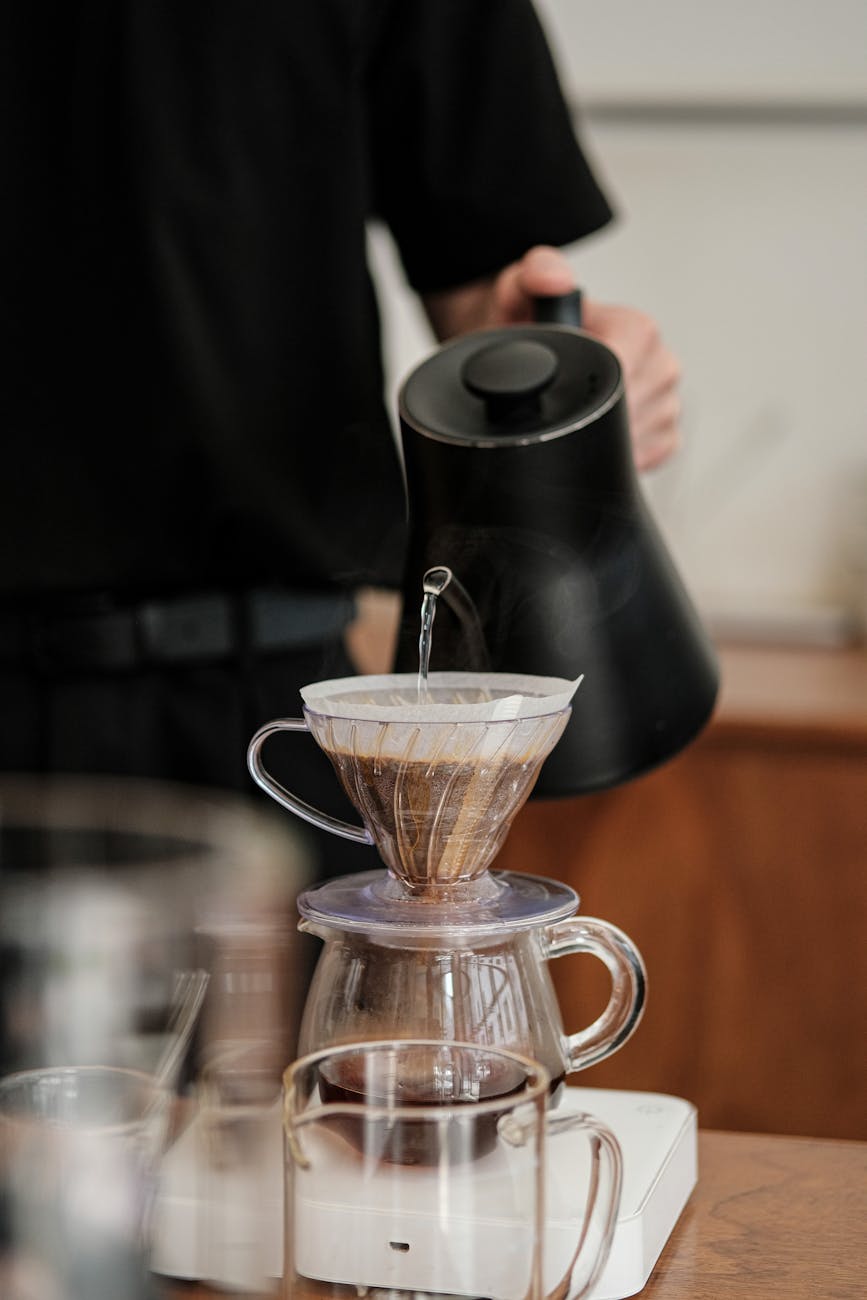
AeroPress vs espresso machine: Understanding extraction differences
Choosing your perfect coffee brewer can feel overwhelming. Two popular contenders, the AeroPress and the espresso machine, both promise a fantastic cup, but they achieve it in fundamentally different ways. While both can produce a strong, concentrated coffee, the similarities largely end there. The real story is in the extraction process itself, the science of how water pulls flavor from coffee grounds. This article will dive deep into these extraction differences, exploring the critical roles of pressure, time, and grind size. Understanding these core principles will not only help you decide which brewer is right for you but will also empower you to brew better coffee, regardless of the method you choose.
The pressure principle: How force shapes flavor
The most dramatic difference between an espresso machine and an AeroPress lies in a single word: pressure. An espresso machine is a high-pressure system by design. It forces hot water through a tightly packed puck of finely ground coffee at around 9 bars of pressure, which is roughly nine times the atmospheric pressure at sea level. This intense force is the key to espresso’s unique character. It happens incredibly fast, usually in just 25-30 seconds, and this speed combined with pressure allows the water to extract compounds that are otherwise difficult to dissolve, like oils and lipids. These oils are what create espresso’s signature crema and contribute to its heavy, syrupy body.
The AeroPress, on the other hand, is a low-pressure brewer. While you are manually pressing the plunger, you’re only generating about 0.25 to 0.75 bars of pressure. This is significantly less forceful. Because of this, the AeroPress relies more on immersion, where the coffee grounds steep in the water for a period before being pressed. This combination of immersion and light pressure results in a very different extraction. It’s gentler and less volatile, pulling out a clean and clear set of flavors without the same concentration of oils. The resulting cup has a lighter body and lacks the thick crema of a true espresso.
Extraction time and grind size: A delicate balance
The vast difference in pressure directly dictates the ideal grind size and extraction time for each method. Think of it as a balancing act. Because an espresso machine uses immense pressure, it needs a very fine, almost powder-like grind. This fine grind creates a lot of surface area and provides the necessary resistance to the high-pressure water. If the grind were too coarse, the water would blast through it in seconds, resulting in a weak, sour, and under-extracted shot. The entire process is a sprint, lasting only 25-30 seconds to achieve a balanced extraction.
The AeroPress offers much more flexibility. Since it combines immersion with low pressure, you have a wider playground for experimentation. You can use a fine grind similar to espresso for a quick, concentrated brew of about a minute. Or, you can use a medium grind, closer to what you’d use for drip coffee, and extend the immersion time to two or three minutes. This longer contact time compensates for the lower pressure, allowing the water to gently dissolve the coffee’s soluble compounds. This versatility is a key appeal of the AeroPress; it allows the user to manipulate time and grind size to highlight different aspects of a coffee’s flavor profile, from bright acidity to deep sweetness.
Solubility and body: What’s actually in your cup?
So, what do these differences in pressure, time, and grind actually mean for the liquid in your cup? It all comes down to what is being extracted from the coffee grounds. The high-pressure environment of an espresso machine creates an emulsion of coffee oils and water, which is what we see as crema. It also results in a very high concentration of dissolved coffee solids, often referred to as Total Dissolved Solids (TDS). A typical espresso shot will have a TDS of 8-12%, making it feel thick, rich, and intense on the palate.
The AeroPress produces a brew with a much lower TDS, typically in the 1.2-1.8% range, which is closer to a strong drip coffee. Because it uses a paper filter (or metal, depending on your preference) and lower pressure, it filters out most of the oils and finer coffee particles, or fines. This leads to a cup with exceptional clarity and a much lighter body. You won’t get crema, but you will get a very clean and nuanced expression of the coffee bean’s origin flavors. It’s less about texture and intensity and more about the purity and complexity of the taste itself.
Comparing the final brew: A tale of two coffees
Ultimately, the choice between an AeroPress and an espresso machine comes down to the kind of coffee experience you prefer. Neither is definitively “better” than the other; they are simply designed to achieve different goals. An espresso machine is a specialized tool for creating a specific type of beverage: a small, highly concentrated, and texturally rich coffee that serves as the base for drinks like lattes and cappuccinos. The AeroPress is a versatile and forgiving manual brewer that excels at producing a clean, full-flavored cup that highlights a coffee’s subtle notes. It can make a concentrated, espresso-style shot, but it will always lack the true crema and body of a 9-bar extraction.
To make the differences clear, here is a direct comparison of the key extraction variables and results:
| Feature | Espresso Machine | AeroPress |
|---|---|---|
| Pressure | High (approx. 9 bars) | Low (approx. 0.25-0.75 bars) |
| Extraction Type | Percolation under high pressure | Immersion followed by low-pressure percolation |
| Typical Grind Size | Very fine | Fine to medium (versatile) |
| Typical Brew Time | 25-30 seconds | 1-3 minutes (versatile) |
| Resulting Body | Heavy, syrupy, viscous | Light to medium, clean |
| Oils & Crema | Significant oils, produces a thick crema | Minimal oils, no true crema |
| Flavor Profile | Intense, concentrated, bold | Clean, clear, nuanced, highlights origin notes |
By understanding these core differences in the extraction process, you can appreciate each brewer for its unique strengths. One is a master of intensity and texture, while the other is a champion of clarity and versatility.
In the end, the debate isn’t about which brewer wins, but which style of coffee extraction best suits your taste and lifestyle. The espresso machine, with its reliance on high pressure, delivers an intense, syrupy shot with a signature crema, a complex process perfected for a very specific result. The AeroPress uses a gentler combination of immersion and manual pressure, offering incredible versatility and producing a cup celebrated for its flavor clarity and lack of bitterness. It empowers the user to experiment with grind, time, and technique. Whether you crave the powerful punch of a true espresso or the clean, nuanced profile of an AeroPress brew, understanding the science of extraction is the first step toward mastering your morning ritual.

 No products in the cart.