

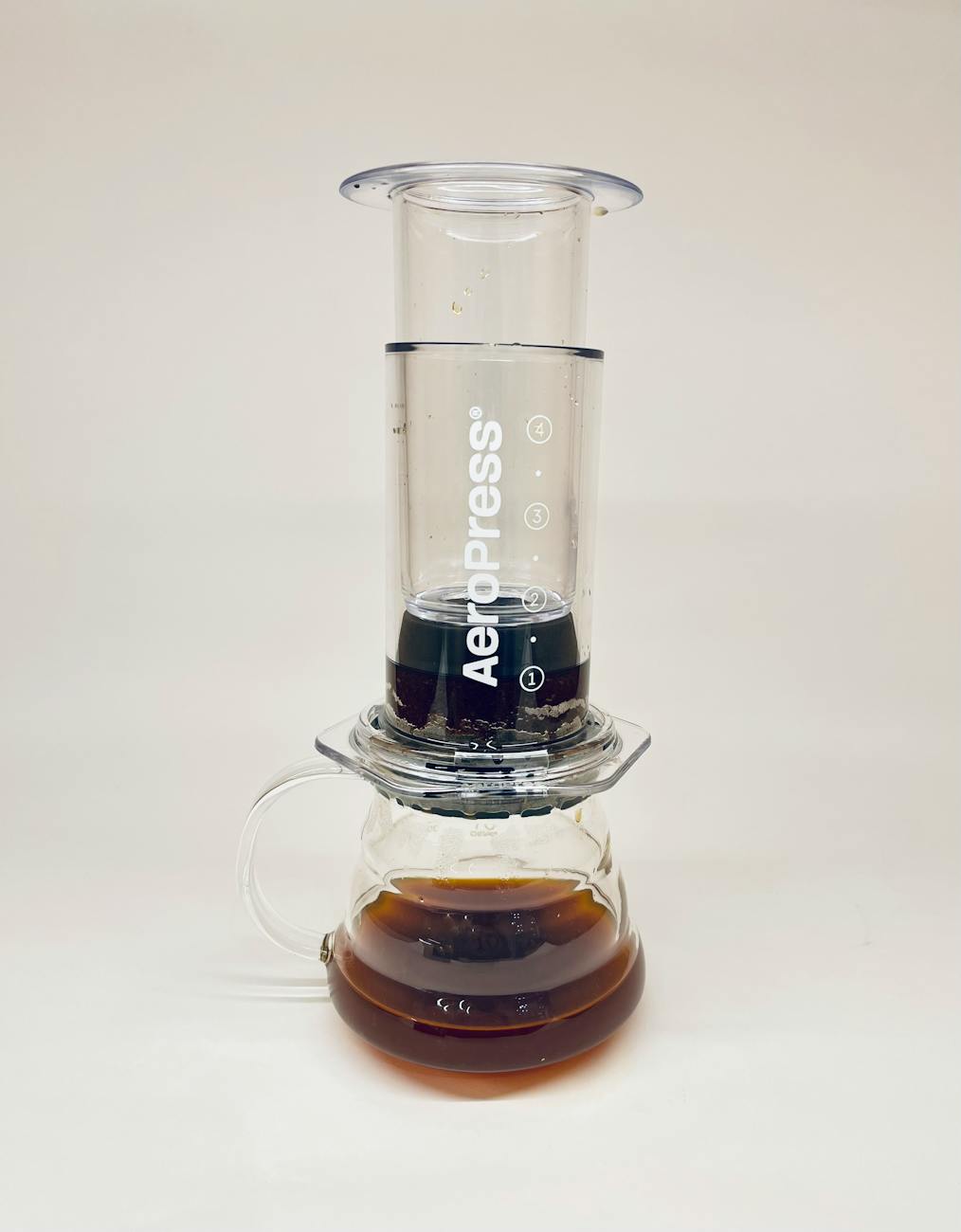
The AeroPress has earned a devoted following for its versatility, simplicity, and ability to produce an outstanding cup of coffee. Its community is a hotbed of experimentation, with brewers endlessly tweaking variables like grind size, water temperature, and inversion techniques. Yet, one of the most debated steps is also one of the simplest: should you wet the paper filter before brewing? For some, it’s an non-negotiable ritual essential for a clean cup. For others, it’s an unnecessary step that adds more fuss than flavor. This article will dive into the heart of this debate, exploring the arguments for and against rinsing, the science behind the paper, and ultimately help you decide whether this small action is worth adding to your AeroPress routine.
The case for rinsing your filter
The primary argument for rinsing an AeroPress paper filter is to eliminate any potential “papery” taste. Paper is made from wood pulp, which contains compounds like lignin. While modern filter papers are highly processed to be as neutral as possible, some coffee lovers with sensitive palates can still detect a subtle, woody, or cardboard-like flavor imparted by a dry filter. Rinsing the filter with hot water before use helps to wash away these soluble compounds, ensuring the only flavors in your cup are from the coffee beans themselves.
Beyond taste, rinsing serves two practical purposes. First, it helps the filter adhere to the plastic filter cap. A wet filter creates a snug, uniform seal, which can help prevent any water from bypassing the coffee grounds around the edges. This ensures a more even and consistent extraction. Second, the act of rinsing with hot water pre-heats the filter cap and, if you rinse it over your mug or server, that vessel as well. Maintaining thermal stability is crucial in coffee brewing; pre-heating components prevents a sudden drop in temperature when the hot water hits them, leading to a more efficient extraction of desirable flavor compounds.
The argument against rinsing
On the other side of the debate, many brewers argue that rinsing is an outdated practice. The quality of paper filters, especially the official AeroPress ones, has improved significantly over the years. They are oxygen-bleached and manufactured to be highly neutral, meaning the “paper taste” is either negligible or completely non-existent for the average person. Proponents of this view suggest that any perceived difference is a placebo effect, a ritual performed out of habit rather than necessity.
Furthermore, convenience is a major factor. The AeroPress is lauded for its speed and portability. Adding an extra step, even a quick one, detracts from its efficiency. When you’re traveling, camping, or just in a hurry for your morning coffee, skipping the rinse saves time, effort, and a little bit of water. The argument for creating a better seal is also contested. The pressure exerted by the plunger is generally sufficient to create a tight seal between the filter and the cap, making the pre-adhesion from wetting redundant. For many, the practical benefits of a faster, simpler workflow outweigh any subtle, and possibly imaginary, improvements in the final cup.
A practical test and potential results
Ultimately, the best way to settle the debate is to trust your own palate. Performing a simple side-by-side comparison is easy and enlightening. To do this, you’ll need to brew two cups of AeroPress coffee back-to-back, keeping every single variable identical—coffee dose, grind size, water temperature, and recipe—with one exception:
- Cup 1: Use the paper filter dry, straight from the package.
- Cup 2: Place the filter in the cap and thoroughly rinse it with hot water before screwing it onto the chamber.
Taste them next to each other, paying close attention to the aroma, the initial flavor, the mouthfeel, and especially the aftertaste. A blind test, where a friend prepares the cups for you without telling you which is which, is even better for an unbiased result. You might be surprised by what you find, or you might find no difference at all. Below is a table of what discerning palates often report.
| Feature | Potential Dry Filter Taste | Potential Rinsed Filter Taste |
|---|---|---|
| Aroma | Slightly flat, with a hint of dry paper. | Cleaner, brighter, and more focused on the coffee. |
| Taste | A subtle woody or cardboard note, muted acidity. | A purer expression of the coffee’s origin flavors. |
| Aftertaste | A lingering, slightly dry or astringent finish. | Clean, crisp, and without any distracting notes. |
Conclusion: A personal choice
So, should you wet your AeroPress paper filter? The answer isn’t a simple yes or no. The evidence suggests that rinsing can make a difference, primarily by removing residual paper flavors and helping to pre-heat your brewing device for better thermal stability. This is why it remains a best practice in the specialty coffee world, where eliminating every negative variable is key to consistency. However, the effect is subtle. Modern, high-quality filters have minimized the issue of paper taste, and for many, the convenience of a dry filter outweighs the marginal gains from rinsing. The final verdict rests on your own taste buds and priorities. We encourage you to perform the side-by-side test. You may discover you’re sensitive to the paper taste and join the rinsing camp forever, or you might decide it’s a needless ritual. Either way, the goal is the same: to brew a cup of coffee you truly enjoy.

 No products in the cart.