

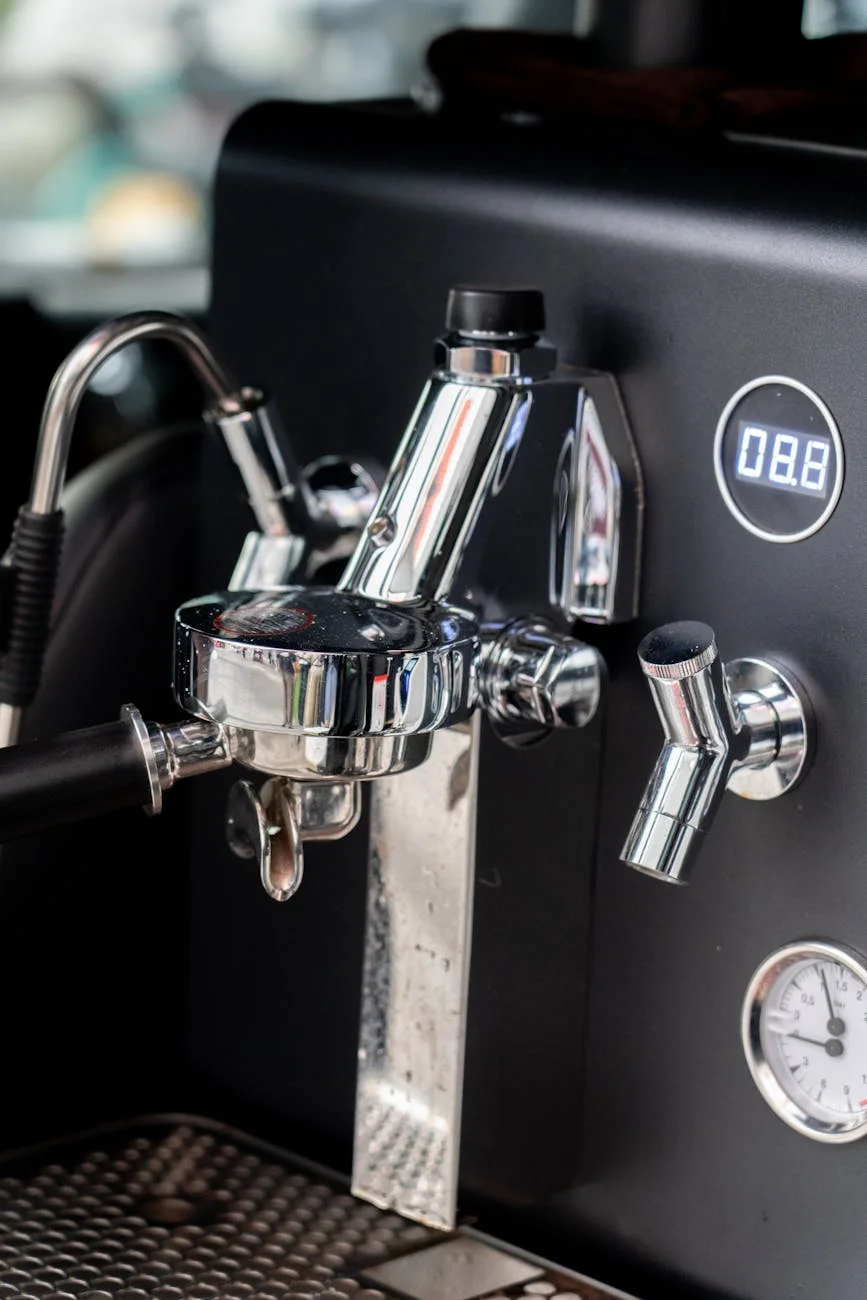
Gaggia classic workflow: steaming milk before or after the shot?
For users of the Gaggia Classic and other single-boiler espresso machines, workflow is a constant topic of discussion and refinement. Unlike dual-boiler or heat-exchanger machines that can brew espresso and steam milk simultaneously, the single boiler requires a dedicated process for each task. The central question in this workflow is one of sequence: should you steam your milk first, when the boiler is at a higher temperature, or pull your espresso shot first and then heat the boiler for steaming? The answer is not merely a matter of preference but involves managing the machine’s thermal stability to achieve the best possible results for both the espresso and the milk texture.
This article explores the technical considerations and practical outcomes of both approaches. By understanding how the Gaggia Classic’s boiler behaves, experienced home baristas can make an informed decision that aligns with their specific goals, whether that is prioritizing the perfect espresso shot or achieving silky, well-integrated microfoam for latte art. We will analyze the impact of each sequence on temperature, timing, and ultimately, the quality of your final beverage.
The technical case for steaming first
The primary argument for steaming milk before pulling the shot is rooted in thermal management. The Gaggia Classic’s boiler must be heated to a temperature significantly higher than what is required for brewing espresso in order to produce steam. The “steam first” workflow leverages this high-temperature state as a starting point, allowing the barista to then cool the boiler down to a precise brewing temperature. This method offers a more controlled and predictable descent to the target brew temperature.
When you activate the steam switch, the boiler heats to approximately 140-150°C (284-302°F). After steaming your milk, you can then purge the excess steam through the steam wand. This action, often called “temperature surfing,” rapidly vents both steam and hot water, causing the boiler temperature to fall. By carefully monitoring the machine’s indicator lights and using a timed purge, you can guide the boiler down to the ideal espresso brewing range of 90-94°C (194-201°F). This approach gives you greater control over the starting temperature of your shot, which is a critical variable for proper extraction.
The advantage here is predictability. Starting from a known high temperature and actively cooling down can be more consistent than starting from a lower idle temperature and trying to “catch” the correct brewing temperature as the heating element cycles on and off. This workflow minimizes the risk of pulling a shot with an overheated group head, a common issue that can lead to bitter and over-extracted espresso.
Prioritizing the shot: the brew first method
Conversely, the “brew first” method prioritizes the integrity of the espresso shot above all else. Espresso is at its most aromatic and flavorful the moment it is extracted. Its delicate crema begins to dissipate, and its complex flavors start to degrade within seconds. For baristas who believe the perfect shot cannot wait, pulling the espresso first is the only logical choice. This workflow ensures the espresso is as fresh as possible when it is combined with the milk.
After the shot is pulled, the machine is then switched to steam mode. This is where the main drawback of this method appears: the time it takes for the Gaggia Classic’s boiler to heat up to steam temperature. This can take anywhere from 30 to 60 seconds, during which your perfectly pulled shot is sitting and cooling. While some may argue this “resting” period allows the flavors to settle, many purists contend that it compromises the espresso’s peak quality.
Furthermore, this waiting period can be inefficient. The barista is left waiting for the machine to be ready, while the most time-sensitive component of the drink, the espresso, slowly degrades. However, for those making drinks like a traditional cappuccino or a macchiato, where the milk volume is small and steaming is quick, the delay may be short enough to be acceptable. The decision ultimately rests on whether the barista is willing to sacrifice a small amount of espresso quality for the sake of workflow simplicity.
A comparison of workflow outcomes
Choosing a workflow involves a series of trade-offs. Neither method is definitively superior; instead, each one prioritizes different aspects of the final drink. Understanding these trade-offs allows you to tailor your process to your personal preferences.
| Factor | Steam First Workflow | Brew First Workflow |
|---|---|---|
| Espresso Quality | Potentially higher due to more precise brew temperature control. | Shot is at its absolute freshest, but may degrade while waiting for milk. |
| Milk Quality | Milk can be steamed and set aside, allowing for microfoam integration. | Milk is freshly steamed and immediately ready to pour. |
| Workflow Efficiency | Requires active temperature management (purging) to cool the boiler. | Involves a waiting period for the boiler to heat up to steam temperature. |
| Temperature Stability | Offers a more controlled descent to a target brew temperature. | Brewing occurs from a standard idle temperature, which can be less stable. |
Ultimately, the “steam first” method is often favored by those who are meticulous about extraction variables and want to ensure their brewing temperature is as accurate as possible. The “brew first” method is better suited for those who prioritize the freshness of the espresso shot and are willing to accept the slight degradation that occurs while the milk is being prepared.
Optimizing your chosen technique
Regardless of the workflow you choose, consistency is key. For the “steam first” method, mastering the cooling flush is essential. Practice timing your purges and pay close attention to the machine’s indicator lights to learn its heating and cooling cycles. Some users install a PID controller to gain absolute control over boiler temperature, but with practice, excellent results are achievable without one.
For the “brew first” method, minimizing the time the espresso sits is the primary goal. Have your milk pitcher ready to go before you even start grinding your beans. Once the shot is pulled, immediately switch to steam mode and begin steaming as soon as the machine is ready. A small, well-prepared station will make this transition much smoother. Additionally, ensuring your espresso puck is perfectly prepared is crucial for a great shot. Proper distribution of the coffee grounds is fundamental to prevent channeling and ensure an even extraction. Using a tool designed for this purpose can significantly improve the consistency and quality of your espresso base.
Conclusion
The debate over steaming milk before or after the shot on a Gaggia Classic is a nuanced one, centered on the effective management of a single-boiler system. Steaming first offers a pathway to superior thermal control and potentially a more precise extraction, but it requires a disciplined approach to cooling the boiler. Brewing first prioritizes the freshness of the espresso shot, accepting that the shot will rest while the boiler heats up for steaming. There is no single correct answer; the ideal workflow depends on the user’s priorities.
The best approach is to experiment with both methods. Pay attention to the taste of your espresso, the texture of your milk, and the overall efficiency of your process. By understanding the technical principles at play, you can refine your technique and make a deliberate choice that consistently produces the results you desire. For those looking to improve their espresso preparation, reliable tools are available from retailers like papelespresso.com that can help achieve greater consistency.
 No products in the cart.