

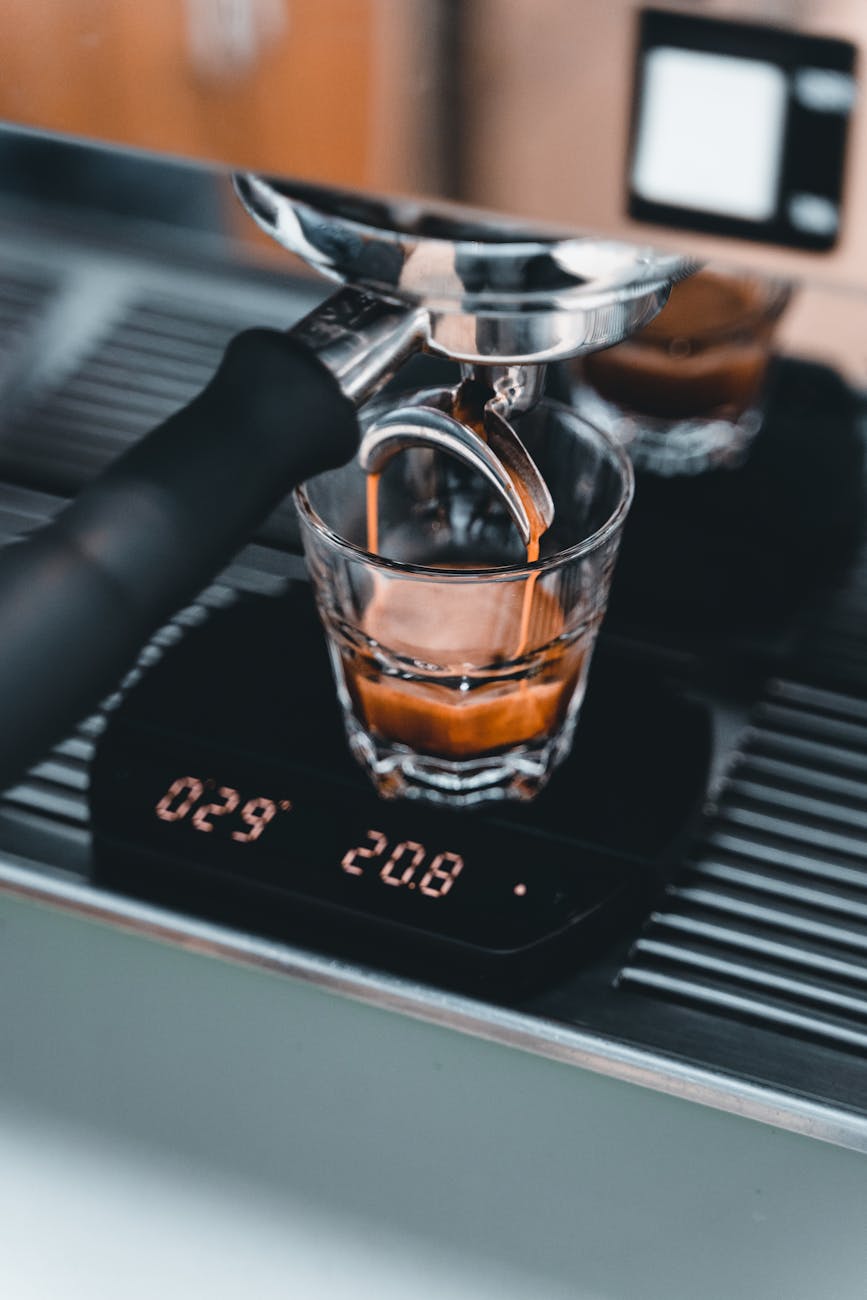
Dialing in decaf espresso with extended pre-infusion
For many home baristas, decaffeinated coffee presents a unique and often frustrating challenge. The pursuit of a decaf espresso that mirrors the body, sweetness, and complexity of a traditional shot can feel elusive. Common issues like fast, gushing shots, sourness, or a thin body are frequent complaints. These problems are not due to a failure in technique but rather a misunderstanding of the coffee bean itself. The decaffeination process fundamentally alters the bean’s physical structure, requiring a different approach to extraction. For the manual espresso user, mastering the technique of extended pre-infusion is the key to unlocking the full potential of decaf, transforming a difficult coffee into a rewarding and flavorful experience.
Understanding the decaf challenge
To effectively brew decaf, it is essential to first understand why it behaves so differently. Most decaffeination methods, whether using water, ethyl acetate from sugarcane, or other solvents, involve soaking green coffee beans to extract the caffeine. This process also removes some of the bean’s oils and soluble compounds, but more importantly, it degrades the cellulose structure of the bean.
The result is a coffee bean that is more brittle and less dense than its caffeinated counterpart. When ground, decaf coffee tends to produce more fines and has a lower resistance to water flow. During extraction, this structural fragility makes the coffee bed more susceptible to fracturing under pressure, leading to channeling—where water carves a path of least resistance through the puck. This uneven extraction results in a shot that is simultaneously sour (under-extracted from the main body of the puck) and bitter (over-extracted from the channel). This is why a standard nine-bar extraction that works perfectly for a caffeinated bean often produces a disappointing decaf shot.
Pre-infusion as the solution
Pre-infusion is the gentle, low-pressure application of water to the coffee puck before the main, high-pressure extraction begins. This initial phase allows the dry coffee grounds to become fully and evenly saturated. For decaf, this step is not just beneficial; it is critical. By extending the pre-infusion phase, you give the more fragile, less soluble decaf grounds the time they need to swell and settle into a stable, uniform bed.
An extended pre-infusion, often lasting between 15 and 30 seconds at a low pressure of one to three bars, acts as a buffer against channeling. It ensures that when you ramp up to full pressure, the water is forced to flow evenly through the entire puck. This slow, gentle saturation helps to extract the available sugars and acids more uniformly, building sweetness and complexity while mitigating the risk of a fast, unbalanced shot. It effectively compensates for the physical changes the bean underwent during decaffeination, creating the foundation for a proper extraction.
A practical guide to extended pre-infusion
Dialing in decaf requires a systematic approach that diverges from standard espresso parameters. The goal is to use a finer grind in combination with a long, low-pressure pre-infusion to achieve a balanced extraction.
Follow these steps as a starting point:
- Grind finer: Begin with a grind setting significantly finer than you would for a caffeinated coffee. This is necessary to slow the flow of water through the less-dense coffee grounds.
- Prepare your puck meticulously: An even distribution is paramount. Clumps in the coffee grounds will encourage channeling, which is already a high risk with decaf. Use a distribution tool to ensure the grounds are homogenous before tamping.
- Initiate a long, slow pre-infusion: Start the extraction at a low pressure (around two bars). Watch for the first drops to appear at the bottom of the basket. Once they do, hold this low pressure for 15 to 30 seconds. Some baristas may even stop the flow entirely for a “blooming” phase.
- Ramp to full pressure: After the extended pre-infusion, smoothly ramp up to your target extraction pressure, typically between six and nine bars.
- Evaluate the shot: A good target is a 1:2 to 1:2.5 brew ratio (e.g., 18 grams of coffee to 36–45 grams of liquid espresso). The total time, including pre-infusion, will likely be longer than usual, perhaps 40–55 seconds.
Taste is the most important indicator. If the shot is sour, try grinding finer or increasing the pre-infusion time. If it is bitter or astringent, try a slightly coarser grind or shortening the pre-infusion phase. Below is a table of sample parameters to use as a guide.
| Parameter | Starting Point for Decaf | Notes |
|---|---|---|
| Grind Size | Significantly finer than caffeinated beans | Adjust to control flow rate during the main extraction. |
| Dose | Your standard dose (e.g., 18g) | Keep this consistent while dialing in other variables. |
| Pre-infusion Pressure | 1.5–3 bar | Gentle pressure to saturate without fracturing the puck. |
| Pre-infusion Time | 15–30 seconds | Begin timing from first drips; this is the key variable. |
| Total Shot Time | 40–55 seconds | Includes pre-infusion time. Do not be afraid of longer shots. |
Conclusion
Brewing exceptional decaf espresso is a rewarding skill that deepens a barista’s understanding of extraction dynamics. The key lies in recognizing that decaffeinated coffee is a physically different product that demands a tailored approach. By moving away from conventional high-pressure shots and embracing extended pre-infusion, you can mitigate the challenges of a fragile bean structure and lower solubility. This technique allows for a more gentle and complete extraction, yielding a cup with surprising sweetness, body, and balance. The process requires patience and careful attention to puck preparation, but the results demonstrate that a thoughtfully brewed decaf shot can stand proudly alongside its caffeinated counterparts. For those dedicated to the craft, having the right tools can certainly support the consistency required for these advanced techniques.

 No products in the cart.