

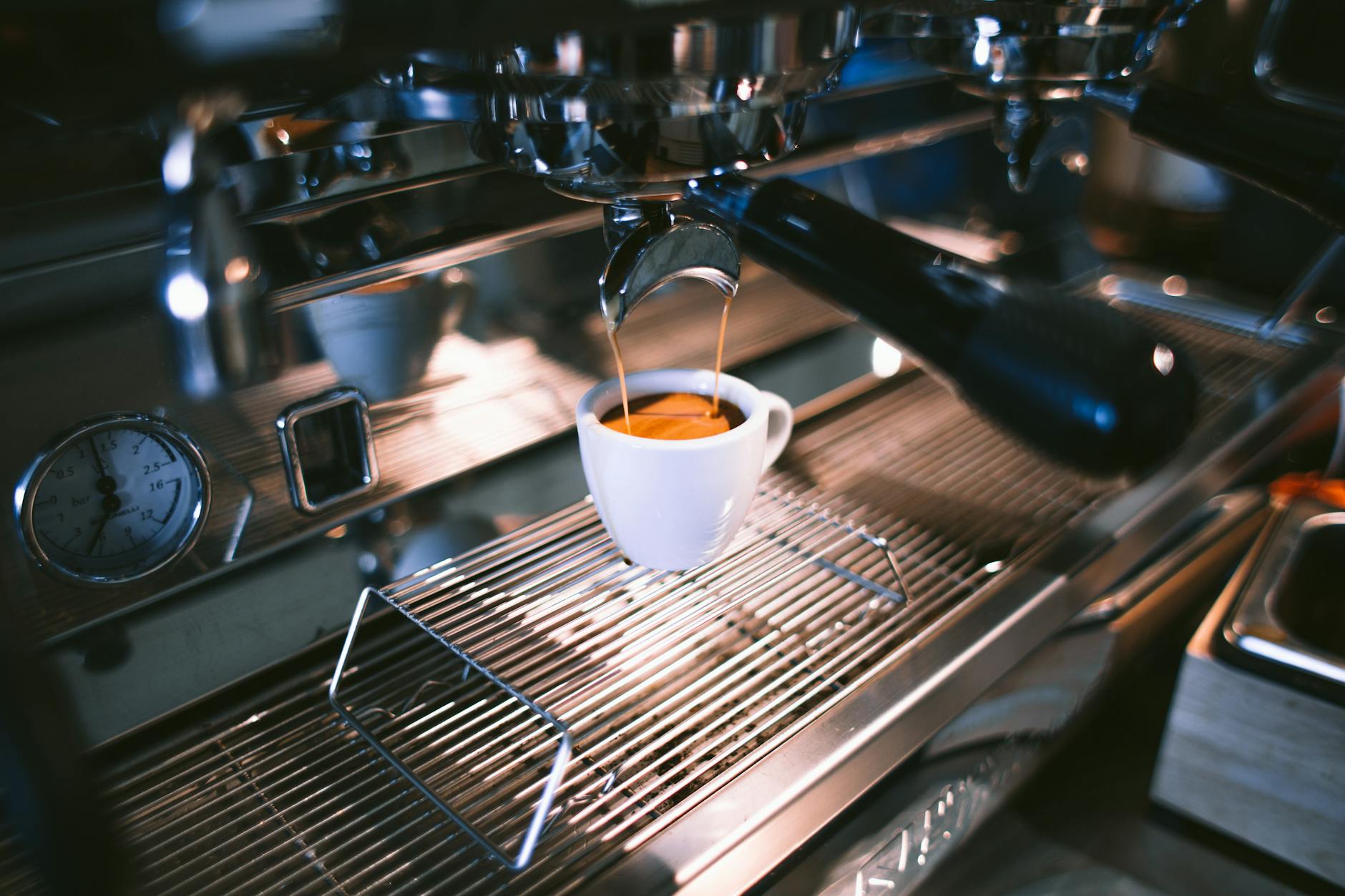
Spring tension and espresso: The secret to a perfect shot
In the passionate pursuit of the perfect espresso, coffee enthusiasts obsess over variables like grind size, water temperature, and tamping pressure. However, for users of traditional lever espresso machines, there is a powerful, often overlooked force at play: spring tension. This mechanical element is far more than just a component that moves the piston; it is the very heart of the extraction process. The force exerted by the spring dictates the entire pressure profile of the shot, directly influencing flow rate, extraction yield, and ultimately, the complex flavors and aromas that end up in your cup. Understanding the role of spring tension is not just a technical exercise; it is the key to unlocking the full potential of a spring-lever machine.
What is a spring-lever espresso machine?
Before diving into the nuances of tension, it’s essential to understand the machine itself. Unlike modern semi-automatic machines that use an electric pump to generate pressure, a spring-lever machine relies on a large, coiled spring. The process is both beautifully simple and elegantly effective. The barista’s physical effort is used to compress the spring by pulling down a lever. This action also lifts a piston, allowing hot water from the boiler to fill the brew chamber and pre-infuse the coffee puck at low pressure.
Once the barista releases the lever, the spring takes over. It expands with a consistent and gradually diminishing force, pushing the piston down and forcing the water through the coffee grounds at high pressure. This makes the spring the true “engine” of the shot. The beauty of this design lies in its consistency; the spring delivers the same pressure curve every single time, removing a significant variable from the barista’s workflow and allowing them to focus on dialing in the grind and dose.
The pressure profile of a spring-lever machine
The defining characteristic of a spring-lever machine is its unique pressure profile. This is where spring tension plays its starring role. A typical pump-driven machine aims for a flat 9-bar pressure throughout the extraction. A spring-lever machine, however, produces a declining pressure profile.
The shot begins at peak pressure, determined by the spring’s maximum compression, which could be anywhere from 6 to 11 bars depending on the machine’s design. As the spring expands and the shot progresses, this pressure naturally and gracefully declines. For example, a shot might start at 9.5 bars and finish around 5 or 6 bars.
This declining profile is highly desirable for a balanced extraction. The high initial pressure is excellent for extracting the rich oils and sugars that create body and crema. As the pressure tapers off, the extraction becomes gentler. This helps to prevent the over-extraction of bitter, astringent compounds (tannins) towards the end of the shot, resulting in a cup that is often sweeter, more nuanced, and less prone to bitterness than what a flat pressure profile might produce.
How spring tension impacts extraction and flavor
Since the spring’s tension dictates the pressure profile, it has a profound impact on the final taste of the espresso. Different levels of tension are not inherently “better” or “worse”; rather, they are suited to different coffee types and flavor preferences. A machine manufacturer carefully chooses a spring to create a specific experience.
A stronger spring creates a higher peak pressure. This robust extraction is fantastic for developing the deep, chocolatey, and nutty notes typical of classic espresso blends and medium to dark roasts. It produces a thick, syrupy body and a dense, lasting crema. However, it can be less forgiving and may mute the delicate floral or acidic notes of very light roasts.
Conversely, a weaker spring results in a lower peak pressure and a gentler extraction. This “softer” approach is ideal for single-origin, light-roast coffees. It allows their delicate acidity and complex fruit and floral notes to shine through without being overwhelmed by heavy, bitter flavors. The resulting shot might have a lighter body but a more vibrant and transparent flavor profile.
| Spring Tension | Peak Pressure | Typical Flavor Profile | Best Suited For |
|---|---|---|---|
| High Tension | 9 – 11 bars | Rich, bold, syrupy body, chocolate, nuts, low acidity. | Classic espresso blends, medium-dark roasts. |
| Low Tension | 6 – 8 bars | Bright, delicate, transparent, floral, fruity, higher acidity. | Single-origin coffees, light roasts. |
Modifying and managing spring tension
While most users will work with the stock spring their machine came with, the world of lever espresso is full of dedicated enthusiasts. For those looking to customize their experience, it is sometimes possible to modify spring tension. Some third-party suppliers offer springs of varying strengths for popular machine models, allowing users to shift their machine’s pressure profile to better suit their preferred coffee style.
It’s also important to consider the lifespan of a spring. Over thousands of cycles, a spring can experience fatigue, gradually losing some of its tension. This can lead to a slow, almost imperceptible change in shot quality, with shots potentially pulling slower and tasting weaker over time. If you notice a significant, unexplainable change in your machine’s performance, a fatigued spring could be the culprit. Replacing it can restore the machine to its original factory-specified performance, breathing new life into your espresso routine.
Conclusion
Spring tension is far from a simple mechanical detail; it is a fundamental pillar of espresso quality in a lever machine. It is the architect of the pressure profile, directly shaping how water interacts with coffee and what flavors are ultimately extracted. By dictating the intensity and character of the extraction, the spring’s force determines whether a shot will be bold and syrupy or delicate and bright. For any lever machine owner, developing an understanding of this force is a crucial step towards mastery. Appreciating the role of the spring transforms the machine from a simple tool into a nuanced instrument, empowering you to pull shots that are not just good, but perfectly aligned with your personal taste.


 No products in the cart.